The Israeli-American war on Iran has been ongoing for two months, leading to increased public anxiety within Iran. Reports indicate a rise in repression by Iranian authorities, despite a declared ceasefire, raising questions about the stability of the Iranian regime under these circumstances.
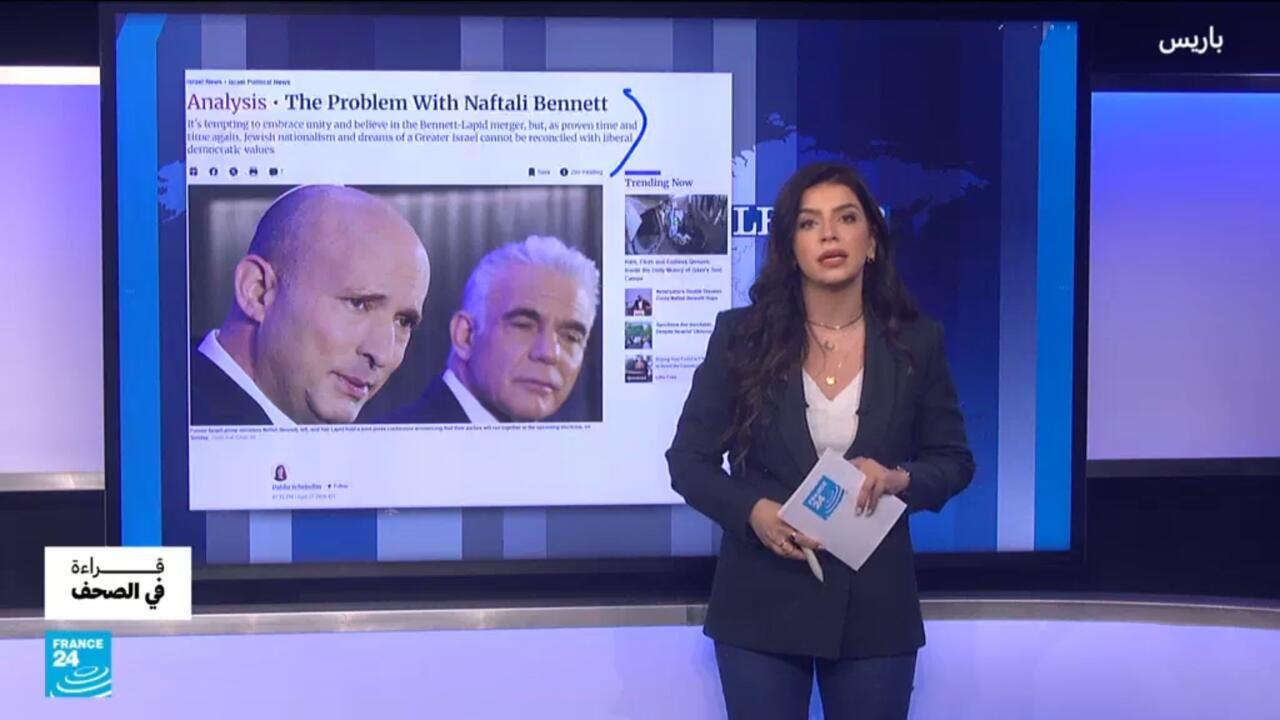
Simultaneously, Israeli newspapers are discussing the shifting political alliances that may influence Prime Minister Benjamin Netanyahu's future. Observers note that the alliance between Naftali Bennett and Yair Lapid could radically change the political landscape, paving the way for significant leadership changes in Israel.
Details of the Event
Reports suggest that the Israeli-American war on Iran has heightened concerns among Iranian citizens, with many expressing fears over increasing government repression. There are also reports of rising public protests, reflecting a state of instability within the country.
On the other hand, political alliances in Israel emerge as a key factor in determining Netanyahu's future. The coalition between Bennett and Lapid could pose a real threat to his rule, as both seek to exploit the current situation for political gain.
Background & Context
Historically, Iranian-American relations have seen escalating tensions since the United States withdrew from the nuclear agreement in 2018. These tensions have led to mutual military escalation, affecting regional stability overall.
In the Israeli context, Netanyahu is considered one of the prominent leaders who have taken a hard stance against Iran, contributing to strengthening alliances with the United States. However, the current political shifts may lead to changes in these strategies.
Impact & Consequences
The repercussions of the Israeli-American war on Iran extend beyond its borders, affecting regional stability. If public anxiety in Iran continues, it could lead to changes in the regime, which would reflect on Israeli politics.
Moreover, the changing political alliances in Israel could result in shifts in foreign policies, potentially impacting relations with neighboring Arab countries.
Regional Significance
The developments in Iran and Israel are pivotal for the Arab region, as they could lead to changes in the balance of power. Arab countries are closely monitoring these events, as any changes in Iran may affect the stability of nations like Iraq and Syria.
In conclusion, the events in Iran and Israel remain a focal point of significant interest, intertwining political and military dimensions, raising questions about the future of the region.