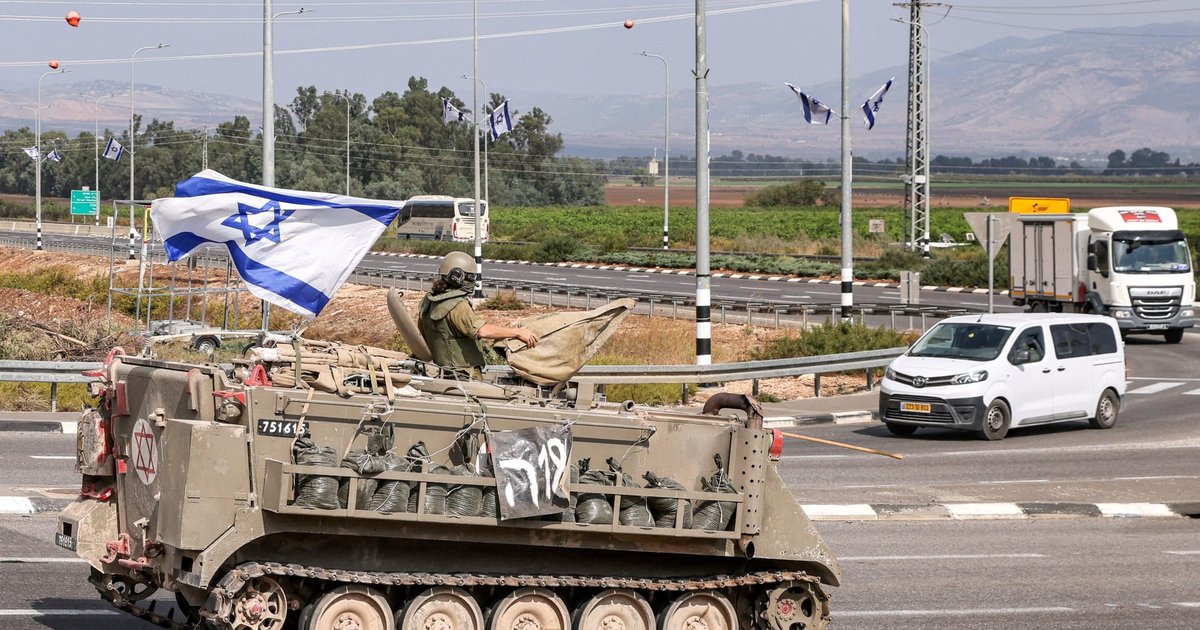
Clashes are intensifying in southern Lebanon, where Israeli forces and Hezbollah are exchanging strikes daily, signaling a dangerous escalation in the region. Reports indicate that the confrontations have surpassed traditional boundaries, heightening tensions along the southern front.
In recent days, the region has witnessed a notable escalation in military operations, with Israeli forces conducting airstrikes on Hezbollah positions, while the group retaliated by launching rockets at targets within Israeli territory. This escalation comes at a sensitive time, as fears grow of an outbreak of a comprehensive war that could impact regional stability.
Details of the Incident
Reports continue to emerge regarding casualties and material losses on both sides. Local sources have reported that several fatalities and injuries have occurred as a result of these clashes, reflecting the seriousness of the situation. Images and videos circulating on social media have shown the destruction caused by Israeli airstrikes, further increasing public discontent in Lebanon.
In this context, analysts have pointed out that the military escalation may be driven by political objectives, as each side seeks to bolster its position amid changing regional circumstances. It appears that Hezbollah is attempting to showcase its strength in the face of Israeli pressures, while Israel aims to assert its security dominance in the region.
Background & Context
Historically, the Lebanese-Israeli border has experienced recurring tensions, especially following the 2006 war, which left deep scars on the relations between the two sides. Since then, Hezbollah has become a significant military and political force in Lebanon, making it difficult to achieve lasting stability in the region. Additionally, other regional conflicts, such as the Syrian conflict, have also affected the situation in Lebanon, with Hezbollah becoming involved in the Syrian conflict alongside the Syrian government.
In recent years, tensions between Israel and Hezbollah have notably increased, particularly with the rise in military activities by the group and its development of missile capabilities. This situation has turned southern Lebanon into a potential flashpoint, where any confrontation could escalate into a broader conflict.
Impact & Consequences
The current escalation in southern Lebanon serves as a wake-up call for many countries in the region. The intensification of confrontations could lead to serious repercussions for regional security, potentially necessitating international or regional interventions. Furthermore, the continuation of fighting may exacerbate the humanitarian situation in Lebanon, which is already suffering from severe economic and social crises.
This escalation could also impact relations between Lebanon and Western countries, as the Lebanese government may face increased pressure to take decisive stances against Hezbollah. At the same time, Israel may find itself compelled to expand its military operations, increasing the likelihood of a comprehensive war.
Regional Significance
This escalation in southern Lebanon is part of a larger picture of regional conflicts in the Middle East. The tensions between Israel and Hezbollah could affect relations between Arab states and Israel, especially amid attempts by some Arab countries to normalize relations with Israel. Additionally, any escalation could revive old disputes between Palestinian factions and Israel, complicating the situation in the region further.
In conclusion, the situation in southern Lebanon appears to be heading towards further escalation, necessitating close monitoring by the international community. The continuation of these confrontations could lead to severe repercussions not only for Lebanon but for the entire Arab region.