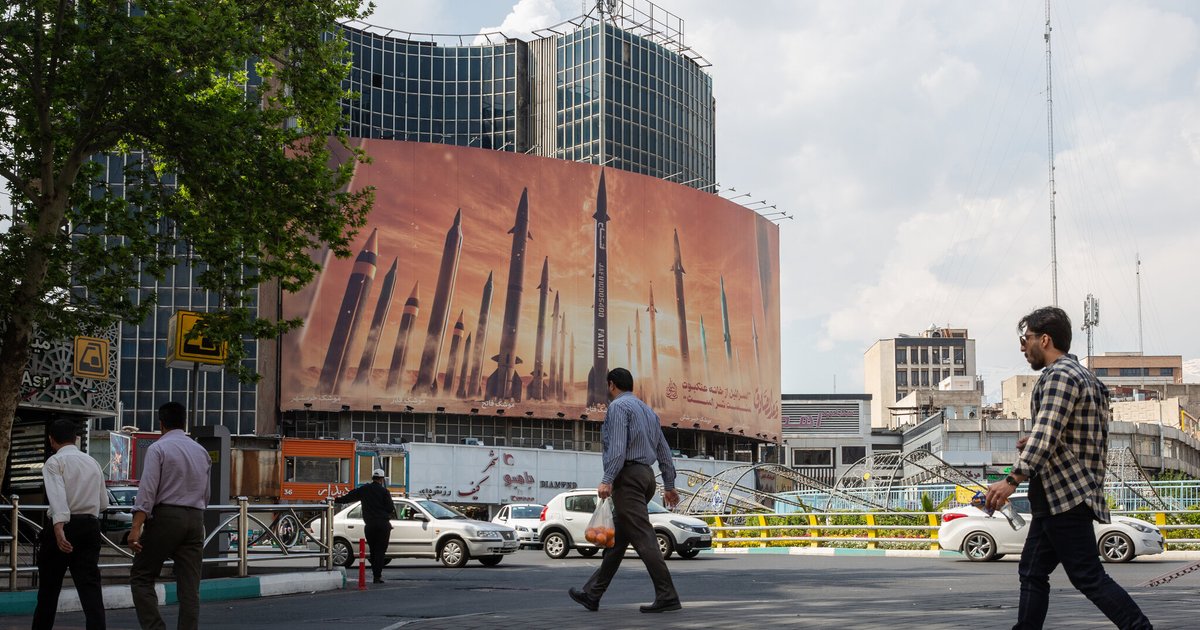
As the deadline set by Iran for compliance with international demands regarding its nuclear program approaches, political and economic risks are increasing significantly. This comes at a time when the world is witnessing rising tensions in the Middle East, causing concern among investors and analysts.
Analysts on the "Bloomberg: The Opening Trade" program indicate that any escalation in the situation could lead to strong reactions from Western countries, especially the United States, which continues to pressure Iran to comply with international agreements. These developments are raising alarms in global financial markets.
Details of the Situation
Iran is considered one of the key countries causing concern due to its nuclear program, and Tehran has set a new deadline for compliance, heightening political risks. This deadline coincides with escalating regional tensions, as Iran seeks to enhance its influence in the area.
The potential risks include the imposition of new sanctions on Iran, which could significantly impact an Iranian economy already under severe pressure. Additionally, any escalation could lead to increased oil prices, affecting the global economy as a whole.
Background & Context
Historically, Iran has been at the center of many political crises in the Middle East. Since 2015, there have been multiple attempts to reach a nuclear agreement with Iran, but these efforts have often faced obstacles. The U.S. withdrawal from the nuclear agreement in 2018 complicated the situation further.
The ongoing negotiations and the international community's demands have created a complex web of diplomatic relations, making it challenging to find a resolution that satisfies all parties involved.
Impact & Consequences
If Iran fails to comply with international demands, it could lead to potential military escalation, dragging the region into open conflict and affecting security and stability in the Middle East. Furthermore, any escalation may provoke reactions from major powers, complicating the situation even more.
The implications of such a scenario could extend beyond the region, affecting global markets and international relations, as countries reassess their strategies in light of Iran's actions.
Regional Significance
The current developments in Iran's nuclear program require global attention due to their potential impact on regional security and financial markets. The situation is not only a matter of national security for Iran but also poses risks for neighboring countries and global economic stability.
In conclusion, the approaching deadline set by Iran is a critical juncture that could redefine the geopolitical landscape in the Middle East and beyond, necessitating careful monitoring and strategic responses from the international community.