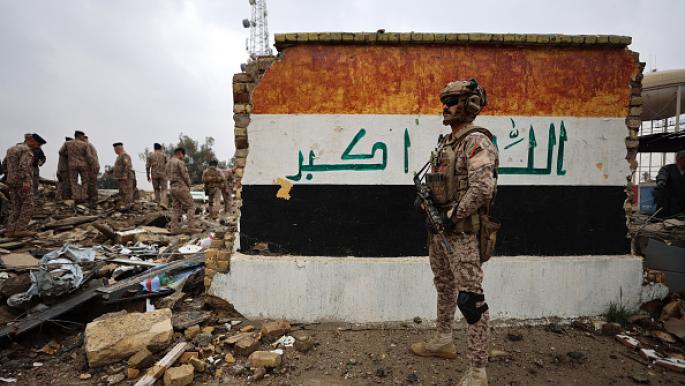
Today, Iraq witnessed a significant security escalation with airstrikes targeting armed factions, alongside rocket and drone attacks. These events come at a sensitive time as the Iraqi government seeks to regain control over the deteriorating security situation in the country.
According to local sources, the airstrikes targeted several sites belonging to armed factions in various regions of Iraq, resulting in casualties and equipment losses. Reports also indicated rocket and drone attacks, which heightened tensions in the area.
Details of the Incident
The airstrikes were distributed across several areas, specifically targeting sites considered strongholds of armed factions linked to Iran. These strikes are part of international and regional efforts to combat Iranian influence in Iraq, which is one of the main challenges facing the Iraqi government.
On the other hand, the drone and rocket attacks indicate an unprecedented escalation in military operations, reflecting the fragility of the security situation in the country. Images circulated on social media showed the destruction left by these attacks, raising concerns among local residents.
Background & Context
Historically, Iraq has experienced a series of security crises since the fall of Saddam Hussein's regime in 2003. Armed factions, with varying loyalties, have become part of the security and political fabric of the country. As regional tensions escalate, these factions play a pivotal role in the struggle for influence among major powers in the region.
In recent years, pressure has increased on the Iraqi government to limit the influence of these factions, especially after a rise in attacks on American forces and Western interests. However, the government continues to face significant challenges in asserting control over these factions, complicating the security landscape further.
Impact & Consequences
These developments serve as a wake-up call for the Iraqi government, reflecting the instability of the security situation and its limited ability to control armed factions. Additionally, the security escalation may negatively impact foreign investments and increase the suffering of citizens living under difficult economic conditions.
Regionally, these events could lead to heightened tensions between Iraq and its neighbors, particularly Iran. The increase in military operations may also prompt new international interventions, further complicating the situation in the region.
Regional Significance
The events in Iraq are indicative of the security challenges faced by many Arab countries. The situation in Iraq could serve as a model for what might happen in other nations suffering from internal divisions and struggles for influence.
Moreover, the rise in violence in Iraq could affect regional security, as its impact may extend to neighboring countries like Syria and Lebanon, complicating the security situations in those areas.
In conclusion, the security situation in Iraq remains a significant concern for the international community, with growing fears of worsening conditions amid escalating attacks and military operations. The Iraqi government needs effective strategies to regain control over the security situation and achieve stability in the country.