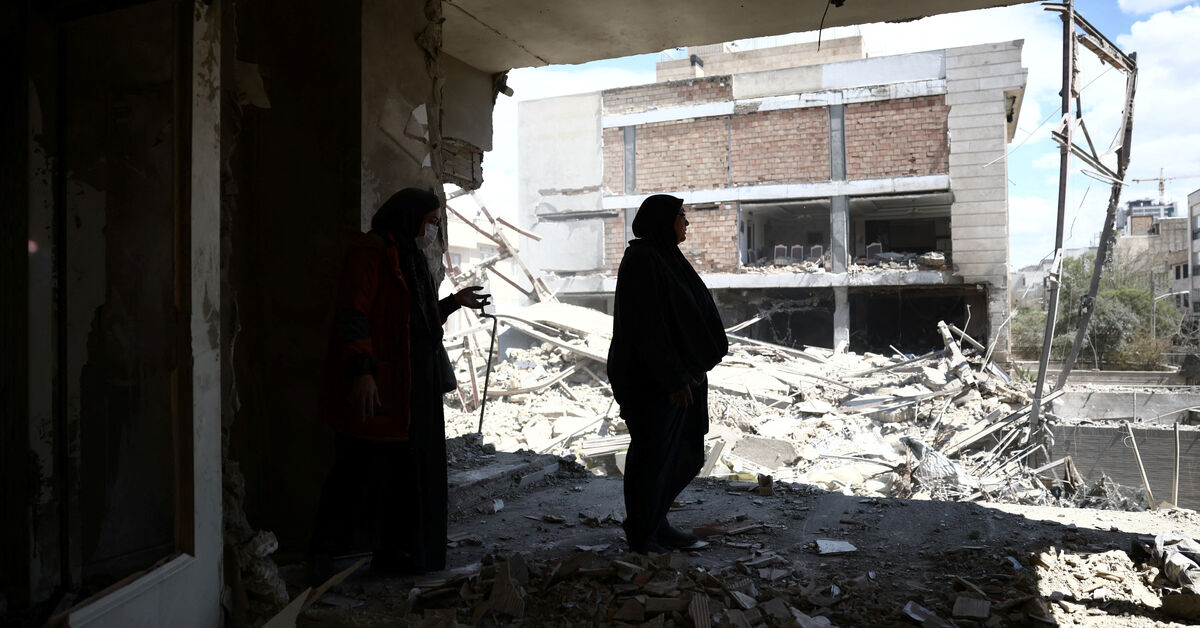
In a new development reflecting the escalating tensions between the United States and its European allies, both France and Italy have joined Spain in rejecting US-Israeli military operations in Iran. This step comes at a time when US President Donald Trump is facing intense criticism of European NATO allies, whom he described as "cowards" for not supporting the ongoing war.
Concerns are growing in Europe over the escalating conflict in the Middle East, as the US-Israeli military operations in Iran are seen as a threat to regional security. The three European countries, France, Italy, and Spain, have expressed their worries about military escalation, reflecting a clear divide within NATO.
Details of the Event
Earlier this month, Trump criticized his European allies, pointing out that they have not provided sufficient support to the United States in facing Iran. These remarks sparked angry reactions in European capitals, where European nations believe that military escalation will not resolve the crisis but rather complicate it further.
These developments come at a sensitive time, as European countries are seeking diplomatic solutions to the conflict in Iran, while the United States continues to exert pressure on Tehran through sanctions and military threats. This divergence in strategies reflects the differing interests between the United States and European nations.
Background & Context
Historically, relations between the United States and European nations have been strong, especially within the framework of NATO. However, recent events, including the US withdrawal from the nuclear deal with Iran, have strained these relations. Iran is one of the key issues causing division between the United States and its European allies, as European nations strive to maintain the nuclear agreement while the US pursues a policy of pressure.
Historically, US-European relations have witnessed numerous crises, from the Iraq War to the Ukrainian crisis. However, the current tensions regarding Iran represent a new challenge to transatlantic relations, raising questions about the future of security cooperation between the two sides.
Impact & Consequences
These tensions could lead to negative effects on regional and international security. With military pressures escalating, Iran may take escalatory steps, increasing the risk of a comprehensive conflict in the region. Additionally, NATO's division may weaken the alliance's ability to address shared security challenges.
Moreover, this division could impact trade and economic relations between the United States and European nations, as European countries may take steps to limit cooperation with the United States in various fields, including trade and technology.
Regional Significance
The current developments in US-European relations are particularly significant for the Arab region. The conflict in Iran has direct implications for neighboring Arab countries, especially those sharing borders with Iran. Any military escalation could lead to an influx of refugees and increased sectarian tensions in the region.
Additionally, Arab nations are closely monitoring the developments of the conflict, as any escalation could affect the stability of the region and complicate security situations. Therefore, cooperation between Arab countries and European nations may become increasingly important in addressing common challenges.
In conclusion, the current tensions between the United States and European nations regarding military operations in Iran reflect a deep division in positions, raising questions about the future of transatlantic relations and its impact on regional and international security.