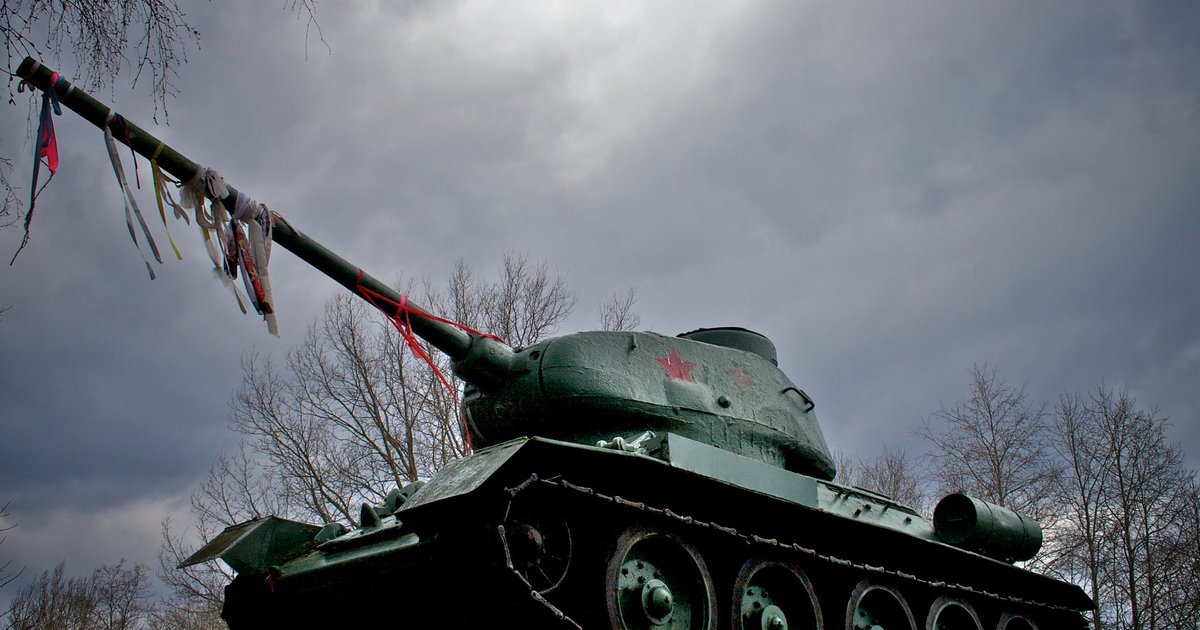
Concerns are mounting in Estonia, a member of the North Atlantic Treaty Organization (NATO), regarding the escalation of propaganda and sabotage operations carried out by Russia, particularly in the city of Narva, which is located on the Russian border and is a hub for Russian speakers. Since Russia's invasion of Ukraine in 2022, Estonia has become a target for a range of activities aimed at destabilizing its internal situation.
Narva, which has a large population of Russian speakers, is considered a hotspot for tensions between the Estonian government and Moscow. The city has recently witnessed an increase in activities aimed at spreading misinformation, raising concerns about the potential for social or political unrest in the near future.
Details of the Situation
Reports indicate that Russia has intensified its efforts to disseminate propaganda through social media, targeting Russian-speaking residents in Narva. These activities include spreading misleading information about the Estonian government and living conditions in the country, contributing to a climate of distrust between citizens and the government.
In recent weeks, Estonian authorities have observed an increase in the number of posts calling for protests and demonstrations, reflecting Moscow's strategy of exploiting social divisions to enhance its influence in the region. The Estonian government has shown readiness to confront these challenges by strengthening internal security and raising awareness among citizens about the dangers of misinformation.
Background & Context
Historically, Estonia has always been a point of tension between Russia and the West, especially after regaining its independence in 1991. Since then, the country has sought to strengthen its ties with NATO and the European Union, which has angered Moscow. With rising tensions in recent years, particularly following Russia's invasion of Ukraine, Estonia has become more cautious about Russian activities on its territory.
Narva, located just a few kilometers from the Russian border, symbolizes the cultural and linguistic divisions in Estonia. With a significant number of Russian speakers living there, it is susceptible to Russian influences. These dynamics make the city a focal point in the conflict between Russia and the West.
Impact & Consequences
The repercussions of these Russian activities extend beyond Narva, potentially affecting the stability of the entire country. If Moscow continues to implement its propaganda strategies, we may witness an escalation of social and political tensions in Estonia, which could lead to negative impacts on regional security.
Moreover, these activities could affect relations between Estonia and its NATO allies, as allies must enhance their support for Estonia in the face of Russian threats. These tensions are likely to lead to increased military cooperation among NATO member states, reflecting Estonia's importance as a frontline defense against Russian threats.
Regional Significance
While attention is focused on European conflicts, Arab countries must be aware of the potential repercussions of these tensions. Conflicts in Europe could impact regional stability in the Middle East, especially given the complex relationships between Russia and Arab states.
These events also highlight the importance of Arab cooperation in facing global challenges, as crises in other regions can lead to indirect effects on security and the economy in Arab countries. Therefore, Arab nations should enhance their security and economic strategies to address any potential repercussions.