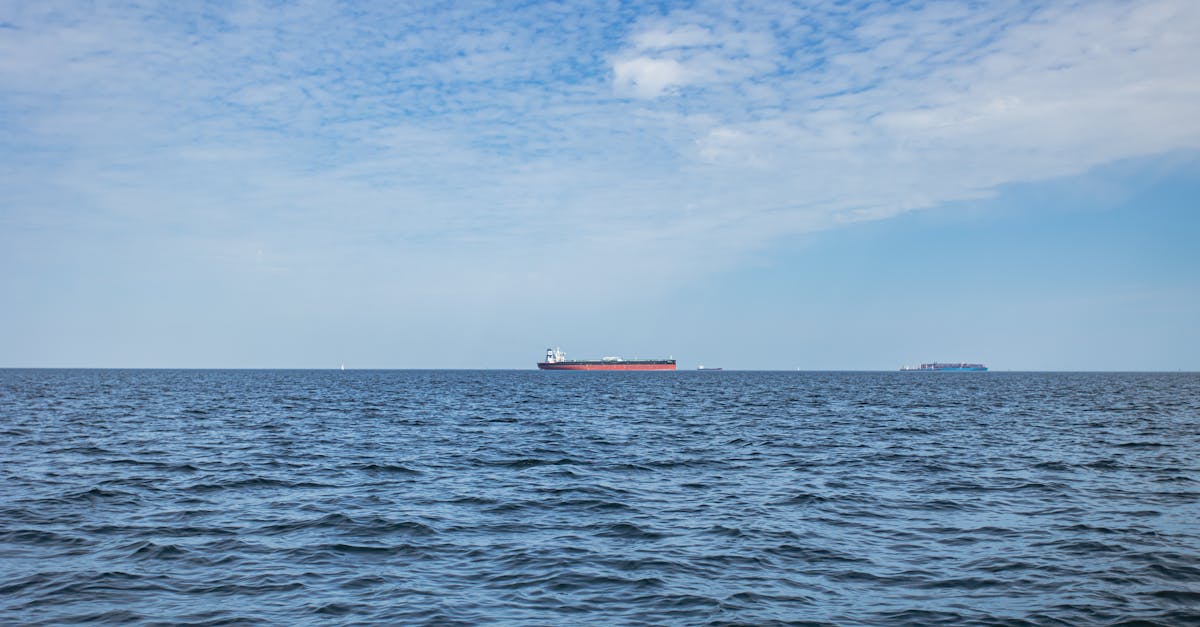
As the conflict escalates in the Middle East, Iran has started imposing restrictions on shipping through the Hormuz Strait, a vital corridor through which approximately 25% of the world's oil passes. This move has sparked international concerns regarding freedom of navigation in international waters, prompting countries to reassess the significance of the United Nations Convention on the Law of the Sea (UNCLOS).
UNCLOS serves as a constitution for the oceans, defining the rights and legal authorities of states and establishing rules for the peaceful use of seas and their resources. This convention came into force in 1994 after being adopted in 1982, following a 15-year effort.
Event Details
With the intensifying conflict, the United States has also imposed restrictions on Iranian commercial vessels, leading to the detention of commercial ships from non-participating countries. The idea of imposing fees on ships passing through the Hormuz Strait has also been proposed, which has met with strong opposition from the international community.
Attention is now directed towards UNCLOS, as countries highlight the importance of adhering to international law to safeguard navigation rights. On April 27, the United Nations Security Council is set to convene in New York to discuss the safety and protection of waterways.
Background & Context
Historically, there have been rivalries over navigation rights and marine resources. In 1945, U.S. President Harry Truman extended U.S. jurisdiction over all natural resources on the continental shelf, provoking reactions from other countries like Argentina and Chile.
In 1976, the Maltese ambassador to the United Nations, Arvid Pardo, warned that countries might use their technologies to extend their authorities over selected areas of the seabed, potentially escalating global tensions.
Impact & Consequences
Recent events illustrate how regional conflicts can affect international navigation freedom. Under UNCLOS, vessels from all nations have the right to pass through straits used for international navigation without interference. This means that neighboring countries cannot impose fees on passing ships.
However, Iran claims that this right is not part of customary international law, complicating the situation further. Analyses suggest that the dispute could threaten stability in the region and impact global trade flows.
Regional Significance
Freedom of navigation in the Hormuz Strait is vital for Arab states, many of which rely on the flow of oil and gas through this corridor. Any restrictions imposed by Iran could lead to increased oil prices and strain relations between Arab nations and the United States.
In this context, Arab states must strengthen their position in supporting UNCLOS as a means to protect their rights in international waters and ensure freedom of navigation.