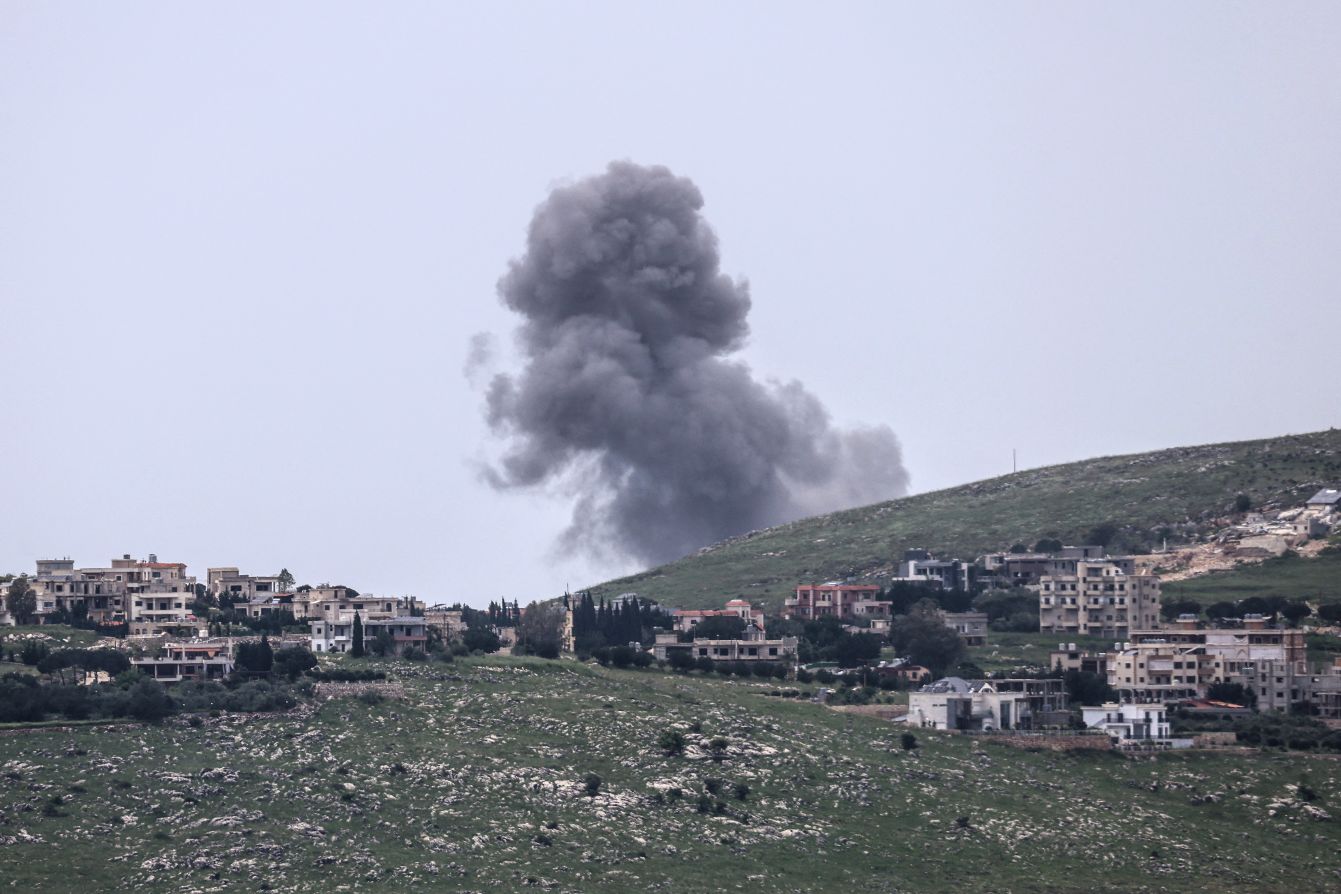
Tensions are escalating in the Middle East, where military operations in Lebanon continue, raising concerns about a larger escalation. At the same time, Iran and Russia are seeking to enhance diplomacy with regional actors in an attempt to curb the rising conflict.
In the latest developments, Iranian Deputy Foreign Minister Abbas Araghchi arrived in Russia for talks with Russian President Vladimir Putin regarding the war and diplomacy. This visit comes at a sensitive time as both parties seek to find solutions to the multiple crises in the region.
Details of the Event
Reports indicate that there is a proposal via Pakistan aimed at ending the blockade and reopening the Strait of Hormuz, which is considered a significant step in the context of current tensions. In contrast, the United States has confirmed that it will not negotiate "through the media" amid stalled talks.
On another front, the British maritime agency has warned of a continuing threat to shipping in the Gulf waters, increasing the risks associated with global trade. In this context, tracking data has shown that Iran has managed to transport 4.6 million barrels of oil despite the imposed blockade.
Background & Context
Historically, the Middle East has witnessed numerous conflicts that have exacerbated economic and political conditions. The blockade imposed on Iran for years, along with tensions between Israel and Hezbollah in Lebanon, complicates the regional landscape. These crises raise concerns among neighboring countries and directly affect the stability of the region.
The Strait of Hormuz is one of the most important maritime passages in the world, through which approximately 20% of the world's oil passes. Any escalation in this strait could lead to a significant increase in oil prices, impacting the global economy.
Impact & Consequences
The current events underscore the importance of diplomacy in resolving disputes, as the ongoing conflict in Lebanon could lead to negative repercussions for regional security. Additionally, military escalation could draw other countries into the conflict, further complicating the situation.
At the same time, oil prices remain high, exceeding $107 per barrel, reflecting concerns related to tensions in the region. This increase could affect oil-dependent economies and heighten inflationary pressures.
Regional Significance
Arab countries are directly affected by the tensions in the Middle East, as any escalation could lead to a flow of refugees and increased economic burdens. Furthermore, the ongoing conflict in Lebanon may impact relations between Arab countries and Iran, heightening sectarian and political tensions.
In conclusion, the situation in the Middle East remains under the world's watch, as fears of a larger escalation grow. The current situation requires intensive diplomatic efforts to avoid further tensions and conflicts.