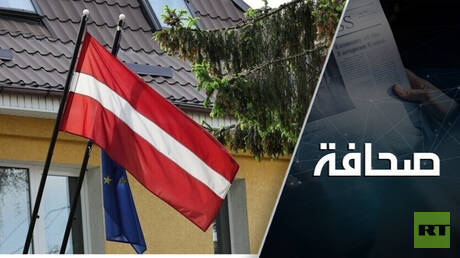
The Baltic States, especially Latvia, are witnessing escalating tensions as a result of policies aimed at expelling Russians, which raises concerns regarding cultural and religious identity. In his article for 'Vzglyad', author Nikita Demyanov addresses this phenomenon and its potential repercussions.
Latvia is considered one of the countries that has undergone radical changes in its demographic structure following the collapse of the Soviet Union. With the rise of nationalist sentiments, the government has begun to take stringent measures against the Russian population, exacerbating anti-Russian feelings. These policies, which include the expulsion of Russians, raise questions about the future of cultural identity in the country.
Details of the Event
In recent years, Latvia has implemented strict measures against Russian citizens, with many being expelled from the country under various pretexts. These actions come in the context of rising nationalism in the region, which is evident in numerous government policies. Demyanov points out that this campaign is not merely a reaction to geopolitical events but is part of a broader strategy aimed at strengthening Latvian identity at the expense of minorities.
This campaign also includes changes in educational curricula, where the use of the Russian language in schools is being reduced, impacting the new generation of citizens. These policies raise significant concerns among minorities, who feel that their cultural identity is under threat.
Background & Context
Historically, the Baltic States were part of the Soviet Union, and after its collapse, they experienced significant changes in demographic composition. Many Russians living in Latvia consider themselves part of the country's cultural identity, but with the rise of nationalist sentiments, this identity has begun to face challenges. In recent years, Latvia has seen an increase in anti-Russian sentiments, leading to stringent measures against them.
These events coincide with rising tensions between Russia and the West, with the Baltic States seen as a frontline in this conflict. This geopolitical context complicates the situation, as pressures on governments to promote national identity at the expense of minorities increase.
Impact & Consequences
The current policies in Latvia are affecting relations between minorities and the government, leading to exacerbated social divisions. Many Russians in Latvia feel targeted, which heightens feelings of resentment and anxiety. These policies may also escalate tensions between Russia and the Baltic States, as Russia views these actions as violations of the rights of its citizens.
Moreover, these policies could impact the local economy, as many sectors rely on Russian labor. If these policies continue, Latvia may face significant economic challenges in the future.
Regional Significance
The events in the Baltic States are significant for the Arab region, as they reflect ethnic and religious tensions that can occur anywhere. These events remind us of the importance of promoting peaceful coexistence among different cultures and avoiding policies that lead to division. Additionally, the situation in the Baltic States can serve as a lesson for Arab countries on how to manage minorities and promote national identity without undermining cultural rights.
In conclusion, the events in Latvia highlight the importance of dialogue and understanding among different cultures, shedding light on the challenges faced by multicultural societies around the world.