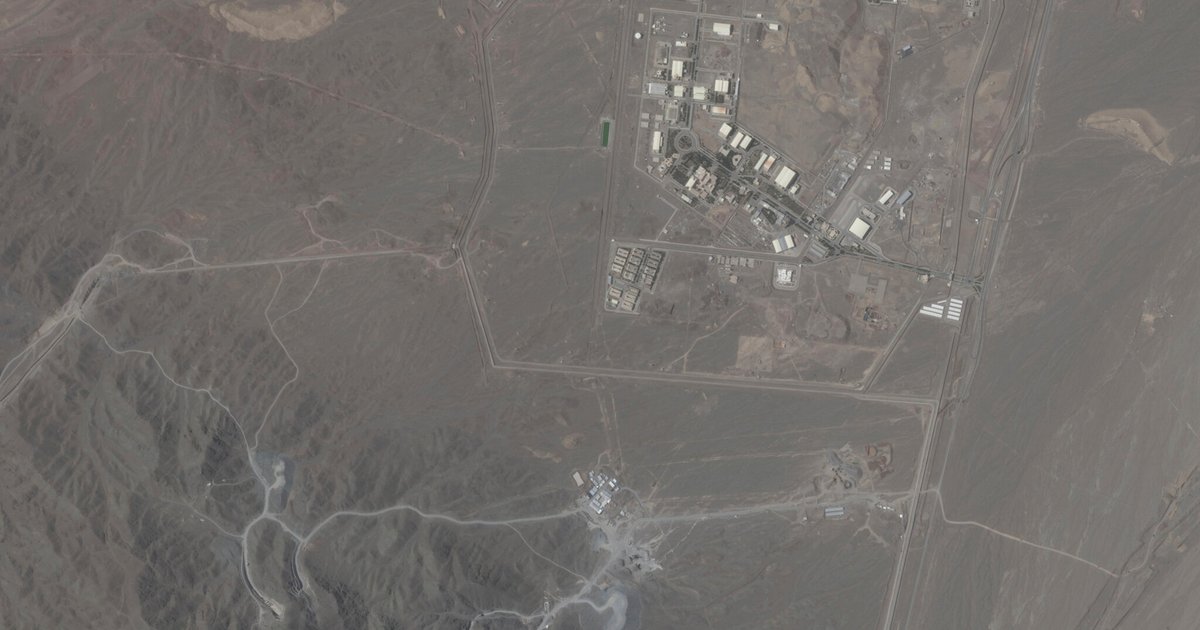
Regional and international pressures on Iran regarding its nuclear program are intensifying, leading to a reduction in its options amidst growing challenges. In this context, Iranian affairs expert Nabil Al-Atoom offers an accurate analytical reading based on official statements and intelligence information, reflecting the complex reality faced by Tehran.
Eyes are turning towards Iran amid escalating tensions, with increasing fears that the Iranian nuclear program may spiral out of control. While Tehran seeks to enhance its nuclear capabilities, pressures from the international community, particularly from the United States and its allies, are mounting, demanding a halt to Iranian nuclear activities.
Details of the Event
Recently, intelligence reports have indicated that Iran has made significant progress in its nuclear program, raising considerable concern among Western nations. Official sources have confirmed that Tehran has increased its uranium enrichment, a dangerous step towards producing a nuclear weapon. At the same time, Iran continues to deny any intentions of acquiring a nuclear weapon, emphasizing that its nuclear program is peaceful.
Concerns are growing that Iran may be on the verge of reaching a point of no return in its nuclear program, which could lead to heightened tensions in the region. Al-Atoom noted that the options available to Iran are dwindling as it faces increasing pressures from the international community, in addition to internal economic challenges.
Background & Context
Historically, the Iranian nuclear program has been a focal point of controversy since its inception. Iran began developing its nuclear program in the 1970s, but after the Islamic Revolution in 1979, the program underwent radical changes. In recent years, Iran signed a nuclear agreement with world powers in 2015, which involved the easing of sanctions in exchange for scaling back nuclear activities. However, the United States withdrew from the agreement in 2018, leading to renewed tensions.
Iran is now seeking to strengthen its position under these circumstances, but it faces significant challenges, including economic sanctions affecting the Iranian economy. There are also internal divisions on how to deal with external pressures, further complicating the situation.
Impact & Consequences
If Iran continues to develop its nuclear program, it could lead to escalating tensions in the region, and Western nations may take more decisive actions, including imposing new sanctions. This escalation could impact regional security and increase the likelihood of military conflict.
Moreover, these developments may affect relations between Iran and neighboring countries, particularly those in the Gulf Arab states. Under these circumstances, Arab countries may find themselves compelled to reassess their security and political strategies.
Regional Significance
Developments in the Iranian nuclear program are of great importance to Arab countries, as many of these nations are concerned that Iran may use its nuclear capabilities to enhance its influence in the region. This could lead to an arms race in the Middle East, where other countries may seek to develop their own nuclear programs as a means to counter the Iranian threat.
Ultimately, the situation in Iran remains complex, as Tehran faces both internal and external challenges. As pressures increase, the international community must closely monitor the situation, as any escalation could have far-reaching implications for security and stability in the region.