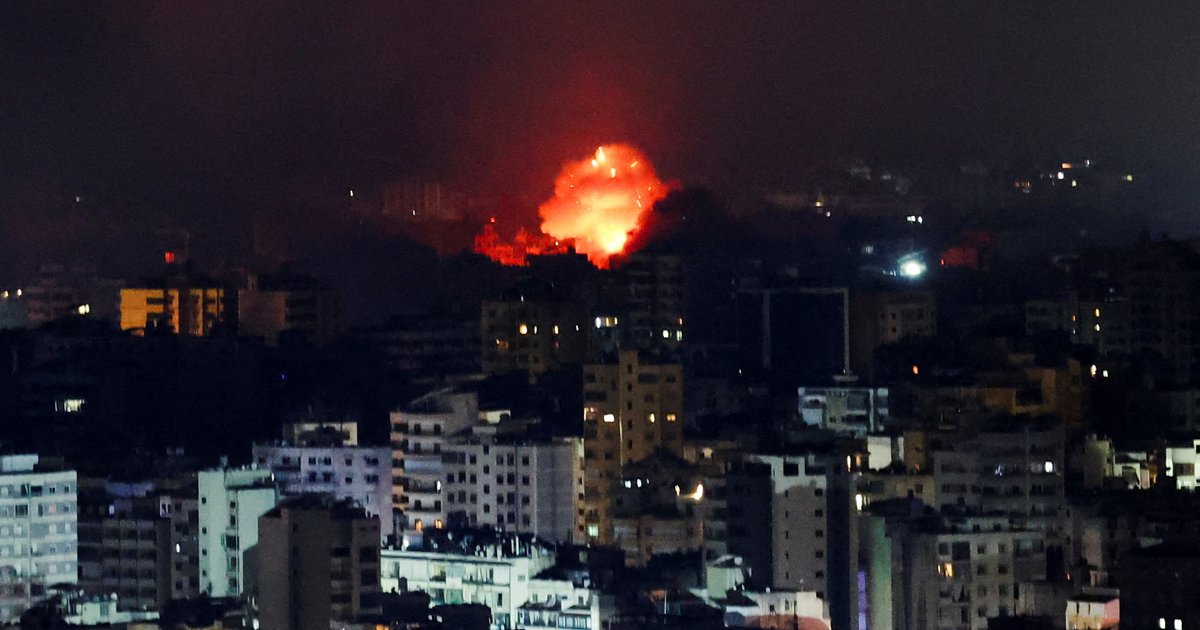
The ongoing escalation in the Middle East is increasingly affecting the global economy. Experts warn that current crises could significantly impact global markets and energy prices.
As military tensions rise in the region, attention is turning to the economic repercussions that may arise from these crises. Oil prices have seen a notable increase, surpassing $90 per barrel, reflecting fears of supply disruptions due to ongoing conflicts.
Event Details
Events in the Middle East are unfolding rapidly, with conflicts igniting in several countries, raising international concerns. Reports indicate that global financial markets have begun to react to these crises, with stock markets experiencing significant volatility. Additionally, data shows that foreign direct investment in the region has been negatively impacted, increasing economic pressures on affected countries.
Moreover, oil-importing countries are facing significant challenges amid rising prices, which could lead to increased inflation in many economies. Experts have pointed out that these crises may result in a slowdown of economic growth in some nations, particularly those heavily reliant on energy imports.
Background & Context
Historically, the Middle East has experienced numerous conflicts that have had wide-ranging economic impacts. Wars and conflicts in the region often lead to disruptions in global energy markets, as the Middle East is a major center for oil production. Previous events, such as the invasion of Iraq in 2003, have demonstrated how regional crises can affect the global economy.
In recent years, tensions between major countries in the region have escalated, complicating the economic landscape further. Political and economic crises in neighboring countries also impact stability in the region, increasing economic risks.
Impact & Consequences
Forecasts indicate that the current escalation may lead to negative economic repercussions globally. Studies have shown that rising oil prices can affect inflation rates, pressuring governments to implement austerity measures. Additionally, increasing prices may lead to a decline in consumption, impacting economic growth.
Furthermore, global companies relying on supplies from the region may face challenges in their supply chains, potentially leading to increased costs. In this context, analysts expect financial markets to be significantly affected, as investments may shift towards safe havens such as gold and government bonds.
Regional Significance
For Arab countries, the escalation in the Middle East carries serious implications. Rising oil prices may lead to increased revenues in some producing countries, but at the same time, it could heighten economic burdens on importing nations. Additionally, political crises could deteriorate economic and social conditions in many countries.
In conclusion, it is evident that the escalation in the Middle East is not merely a regional crisis but has far-reaching economic implications that could extend worldwide. Concerned nations must take urgent action to mitigate these repercussions and ensure market stability.