Recent events in the Middle East have escalated rapidly, with the Houthis in Yemen announcing a missile attack on Israel, warning that strikes will continue as part of the growing regional conflict. This comes at a time when Iranian Foreign Minister Abbas Araghchi warned that Israel would pay a heavy price for its recent attacks on Iranian infrastructure.
In a related context, Israeli forces have launched attacks on the largest steel factories in Iran, as well as targeting sites near the Busher Nuclear Power Plant. Iran reported to the International Atomic Energy Agency that the attacks also hit a heavy water production plant in Khandab, noting that there was no radiological danger as the facility did not contain nuclear materials.
Details of the Event
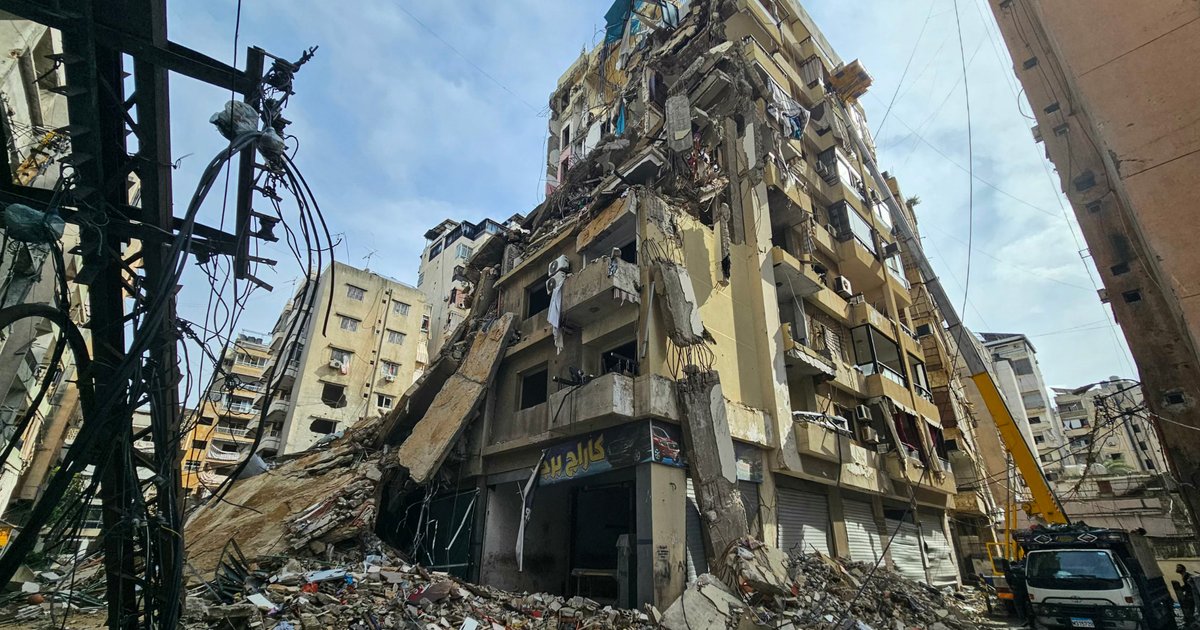
On the ground, Israeli forces have entered areas of Lebanon, where military officials indicated plans to establish what they describe as a "security zone" extending to the Litani River. This escalation has led to the displacement of over one million people, raising concerns about their inability to return to their homes.
At the same time, oil prices have seen a significant increase, with Kuwaiti oil surpassing $118 per barrel, amid fears of disruptions in the Strait of Hormuz. Reports indicated that civilians in northern Israel, including Haifa, Galilee, and Acre, rushed to shelters 18 times overnight due to warnings of incoming missiles.
Background & Context
Historically, the region has witnessed ongoing tensions between Israel and Iran, with Iran being one of the main supporters of the Houthis in Yemen, reflecting the depth of the regional conflict. Israeli attacks on Iranian infrastructure are part of Tel Aviv's policy to prevent Tehran from enhancing its military capabilities in the region.
These events coincide with stalled diplomatic efforts, as major powers attempt to mediate to reduce tensions. However, it appears that military escalation is outpacing these efforts, complicating the regional situation further.
Impact & Consequences
The recent military moves could lead to greater escalation in the conflict, threatening the stability of the entire region. Additionally, the sharp rise in oil prices could impact the global economy, especially given the heavy reliance on energy supplies from the Gulf region.
The United Nations warns that disruptions in the Strait of Hormuz could lead to a humanitarian crisis by affecting fertilizer and global agricultural supplies, threatening food security in many countries.
Regional Significance
For the Arab world, the escalation of tensions in the Middle East poses a significant challenge, as these events could affect security and stability in neighboring countries. The mass displacement of civilians in Lebanon and Palestine may create new humanitarian crises that require urgent responses from Arab countries and the international community.
In conclusion, the region seems to be heading towards a new phase of tensions and conflicts, necessitating Arab countries to strengthen their efforts for cooperation and coordination to face common challenges.