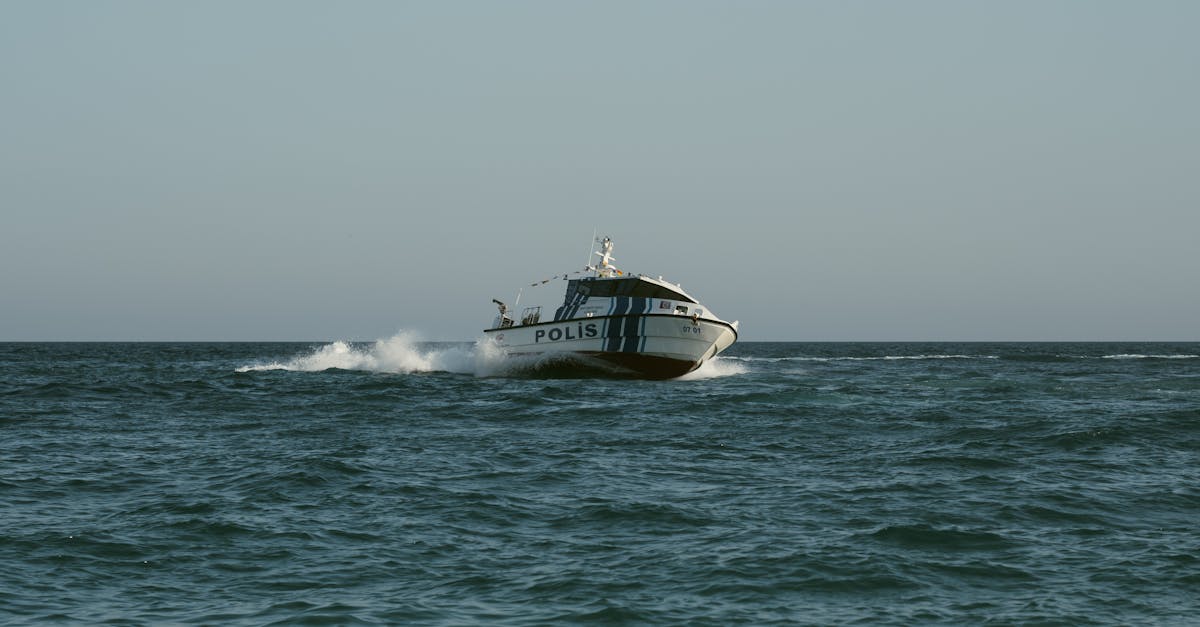
The Strait of Hormuz, a vital transit point for oil and gas shipments, is experiencing a notable increase in political and military tensions. These developments raise alarms regarding their implications for regional security and the global economy.
Recently, military reports have detected unusual movements of naval forces in the area, prompting questions about the intentions of the involved parties. This situation unfolds amid escalating tensions between Iran and the United States, with both nations exchanging accusations regarding potential security threats.
Details of the Current Situation
The Strait of Hormuz is one of the most important maritime corridors globally, through which approximately 20% of total global oil exports pass. In recent years, the region has witnessed several incidents related to attacks on oil tankers, further intensifying the tensions.
In this context, the U.S. Department of Defense has confirmed its readiness to enhance its military presence in the area, aiming to protect maritime navigation and ensure the safety of shipments. Conversely, Iran has warned against any foreign intervention, emphasizing that it will take strict measures to safeguard its sovereignty.
Background & Context
The roots of the tensions in the Strait of Hormuz can be traced back to several historical and political factors, primarily the ongoing conflict between Iran and the United States. Since Washington's withdrawal from the Iranian nuclear deal in 2018, the intensity of tensions has escalated, affecting the region's stability.
Moreover, regional powers such as Saudi Arabia and the United Arab Emirates play a significant role in shaping security policies in the area, complicating the situation further. These dynamics directly impact global trade flows and oil prices.
Impact & Consequences
The tensions in the Strait of Hormuz significantly affect global markets, as any military escalation could lead to unprecedented increases in oil prices. This situation could negatively impact the global economy, especially amid the economic crises faced by many countries.
Additionally, the continuation of these tensions may result in increased military investments in the region, potentially exacerbating security conditions and raising the risk of armed conflicts.
Regional Significance
Arab countries neighboring the Strait of Hormuz, such as the United Arab Emirates and Oman, find themselves in a precarious position, as their economies heavily rely on maritime trade. Any escalation in tensions could disrupt trade flows and heighten economic challenges.
Furthermore, these conditions may lead to increased political divisions among Arab nations, as their stances towards Iran and the United States vary, complicating the regional landscape.
In conclusion, the Strait of Hormuz remains under scrutiny, with growing concerns about the impact of current tensions on regional security and the global economy. The current situation necessitates urgent diplomatic action to avoid any escalation that could have severe consequences.