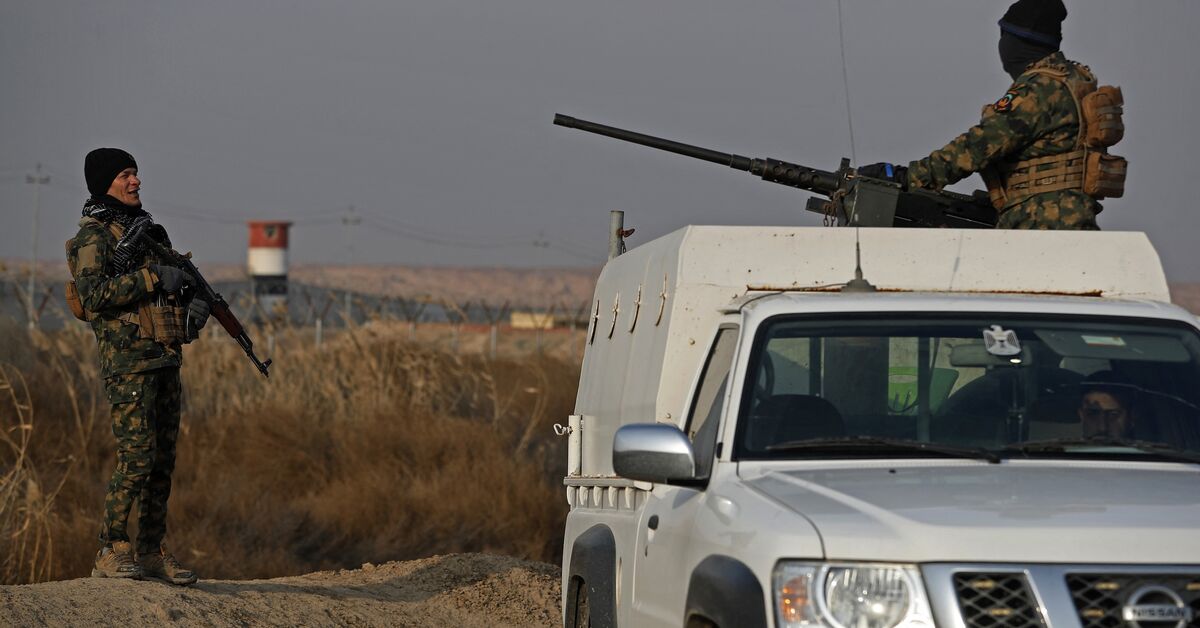
Syria has faced multiple drone attacks originating from Iraq, escalating tensions along the Syrian border. These incidents occur at a time when threats against the Syrian transitional government from Iran and its proxies in Iraq have increased, raising concerns about the stability of the region.
As the Syrian government seeks to strengthen its control over the territories it has regained, these attacks reflect the ongoing challenges it faces. These assaults have been observed in areas close to the Iraqi border, indicating potential coordination between armed groups in Iraq and Iran.
Details of the Attacks
The drone attacks targeting Syrian territory are part of a continuous escalation by Iran and its proxies, as these groups aim to undermine the Syrian transitional government. Local sources have reported that the attacks have focused on strategic areas, heightening fears regarding security in those regions.
Additionally, Syrian forces are working to counter other threats, as the Syrian authorities continue their efforts to destroy tunnels used for smuggling weapons and drugs along the Lebanese border. These tunnels are considered part of a vast smuggling network, reflecting the multiple security challenges faced by the Syrian government.
Background & Context
Historically, the Syrian border with Iraq and Lebanon has been a theater for numerous conflicts and tensions. Since the outbreak of the Syrian civil war in 2011, this border has become more complex, with many armed groups exploiting the chaos to engage in smuggling and illegal trade. Iran, which supports the Syrian government, seeks to enhance its influence in the region by backing armed groups.
In recent years, Iranian military activities in Iraq and Syria have increased, leading to heightened tensions with the United States and other countries in the region. These dynamics reflect the broader conflict between regional and international powers in the Middle East.
Impact & Consequences
The drone attacks from Iraq reflect an escalation in regional conflict, which could lead to military responses from the Syrian government or even from its allies. This escalation may threaten reconstruction efforts in Syria and exacerbate the suffering of civilians still reeling from the effects of war.
Moreover, the continuation of these attacks could lead to increased tensions between Iran and the United States, as Washington closely monitors Iranian activities in the region. Any escalation in this conflict could impact regional security and complicate the situation in Iraq and Syria.
Regional Significance
The repercussions of these events extend beyond Syria's borders, affecting security and stability across the Arab region as a whole. Neighboring countries, such as Lebanon and Iraq, may be directly impacted by the rising tensions, increasing concerns about their internal stability.
Under these circumstances, Arab countries must cooperate more effectively to address shared security challenges. These events also highlight the need for comprehensive political solutions to the crises in the region, as military solutions alone will not suffice to achieve stability.