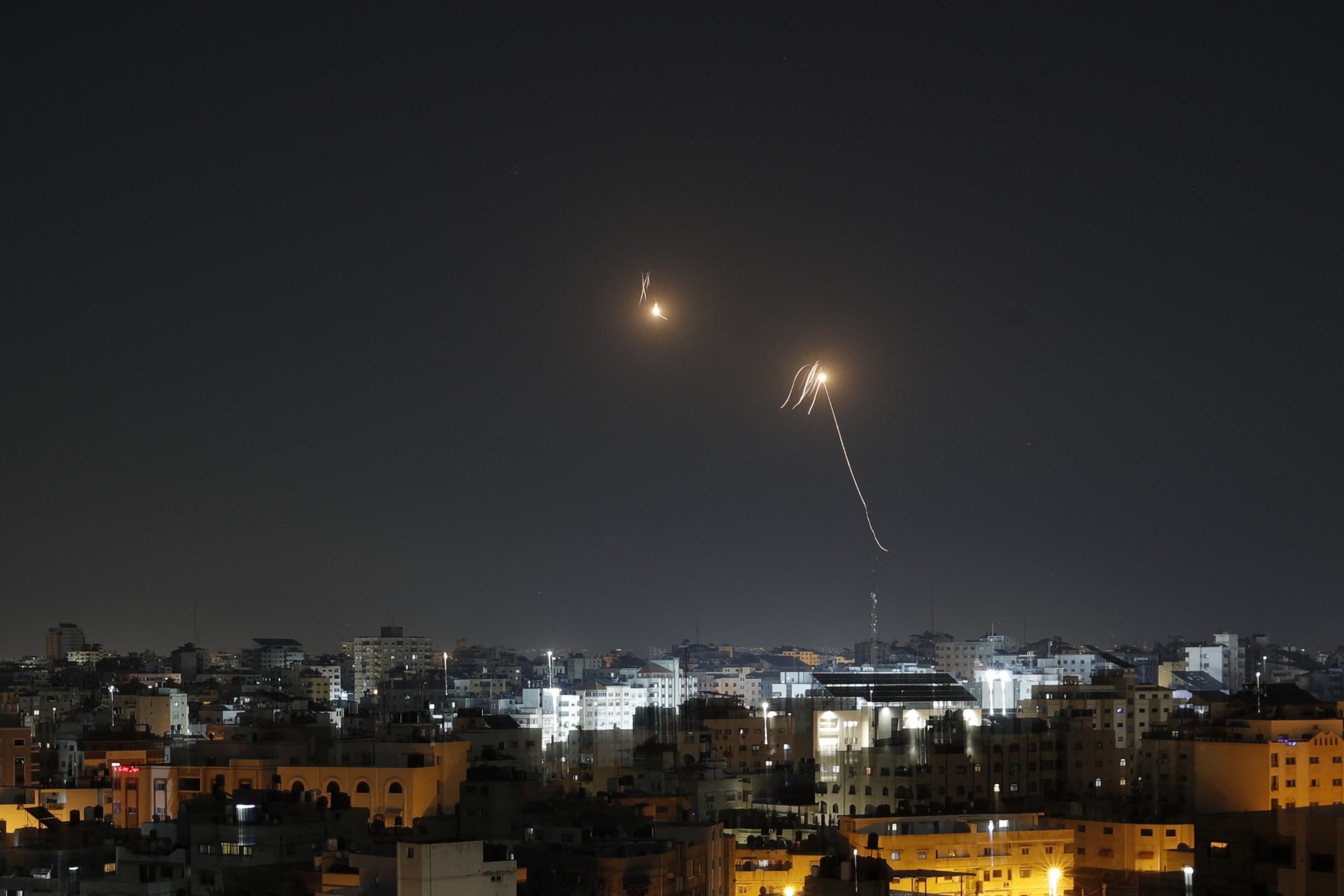
The US-Israeli war on Iran has entered its second month, with Washington increasing its threats to Tehran, warning that it will turn into hell if no agreement is reached. These statements reflect the escalating tensions in the region and emphasize the importance of reaching a peaceful resolution.
These threats come at a time when relations between the United States and Iran are increasingly strained, as Washington seeks to pressure Tehran to curb its nuclear activities and regional interventions. In contrast, Iran rejects these pressures and asserts its right to defend its national interests.
Details of the Situation
In recent days, the US administration has issued a series of statements indicating its readiness to escalate military operations against Iran if the latter does not cooperate in negotiations. US officials have indicated that military options remain on the table, heightening fears of a comprehensive conflict in the region.
On the other hand, Iran has responded to these threats with strong statements, with Iranian officials asserting that any attack on their country will be met with a strong response. They also indicated that Tehran will not hesitate to use all available means to defend its sovereignty.
Background & Context
The roots of the current tensions trace back to the Iranian nuclear program, which the United States and its allies consider a threat to regional and international security. Since the US withdrawal from the nuclear agreement in 2018, tensions have escalated significantly, with Washington imposing severe economic sanctions on Iran.
In recent years, Iran has increased its military activities in the region, leading to heightened concerns among Gulf countries. Additionally, Iran's support for militias in Iraq, Syria, and Lebanon has intensified tensions with Israel, which views Iran as an existential threat.
Impact & Consequences
If tensions continue to escalate, it could lead to dire consequences for regional security. Any military operations could ignite a comprehensive conflict, impacting all countries in the region and increasing civilian suffering.
Moreover, military escalation could affect the global economy, particularly in the energy sector, as Iran is one of the largest oil producers in the world. Any disruptions in Iranian oil exports could lead to rising oil prices, affecting the global economy as a whole.
Regional Significance
The Arab countries neighboring Iran are in a sensitive position, as any escalation in the conflict could impact their stability. Countries like Iraq, Syria, and Lebanon may be more vulnerable to negative effects due to the potential conflict.
Gulf countries, which are concerned about Iranian influence, may find themselves compelled to take more aggressive stances, further increasing tensions in the region. Under these circumstances, hope remains for a peaceful resolution that ensures stability and security for all.
In conclusion, the situation in the region remains tense, and the future of US-Iran relations depends on both parties' ability to reach an agreement that alleviates tensions. Continued military escalation will only exacerbate humanitarian and economic crises in the region.