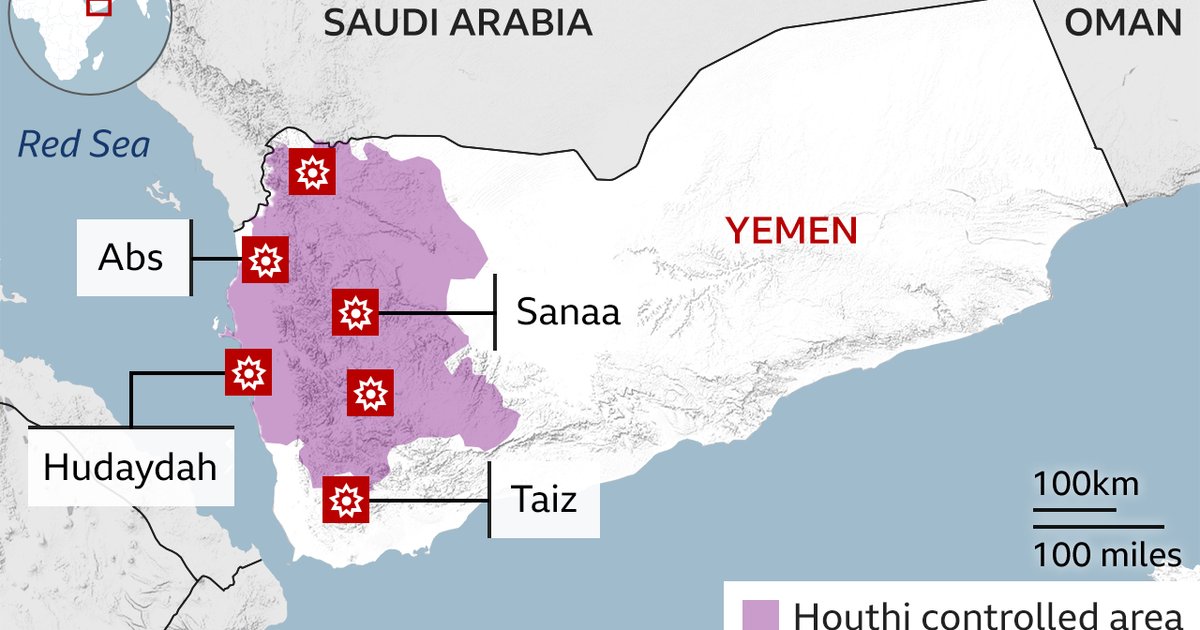
Events are accelerating in the Middle East as missiles were launched from Yemen towards the Israeli city of Dimona, leading to a state of alert and warnings in the city. This escalation comes at a sensitive time, as the region is witnessing increasing tensions among various parties, threatening its stability.
The warnings issued by Israeli authorities indicate that this attack may be part of a broader strategy aimed at pressuring Israel from multiple fronts. Military sources confirmed that Israeli air defenses intercepted the missiles, but this has not alleviated the growing concern within Israeli circles.
Details of the Incident
In recent hours, Israeli air defenses detected missiles coming from Yemeni territory, prompting the activation of the Iron Dome system to intercept them. This attack follows a series of threats issued by the Houthis, who claimed they are capable of targeting deep into Israel. The Houthis alleged that they targeted sensitive sites in Dimona, which is considered an important nuclear center for Israel.
The Israeli response to this attack was swift, as warplanes launched strikes on Houthi positions in Yemen, further complicating the security situation in the region. These events occur within the ongoing conflict between the Iran-backed Houthis and the Saudi-led Arab coalition.
Background & Context
Historically, relations between the Houthis and Israel have been marked by increasing tensions, as the Houthis view Israel as a primary enemy. These tensions have escalated following the intensification of the conflict in Yemen, where the Houthis seek to enhance their influence in the region. Additionally, Iranian support for the Houthis has heightened tensions, making it difficult to reach peaceful solutions.
Israel, for its part, considers any threat from the Houthis to be a direct threat to its national security and has shown a constant readiness to respond to any aggression. This situation reflects the broader conflict between Iran and its allies on one side, and Arab states and Israel on the other.
Impact & Consequences
This escalation could lead to serious repercussions for regional security, potentially opening new fronts in the conflict. Furthermore, Israeli military responses may lead to greater escalation, increasing the suffering of civilians in Yemen. At the same time, this situation could bolster the Houthis' internal position, as they may exploit this escalation to enhance their popular support.
Moreover, this escalation could affect relations between Arab states and Israel, potentially undermining normalization efforts that have begun between some Arab countries and Israel. This situation may raise concerns within the international community, which seeks to achieve peace in the region.
Regional Significance
The Arab region is significantly affected by this escalation, which could lead to increased divisions among Arab states. Additionally, the situation in Yemen may worsen, exacerbating humanitarian crises there. These events could also heighten tensions between Iran and Arab states, threatening regional stability.
In conclusion, the current escalation between the Houthis and Israel appears to be part of a broader conflict that transcends borders, necessitating urgent international efforts to mitigate tensions and achieve peace in the region.