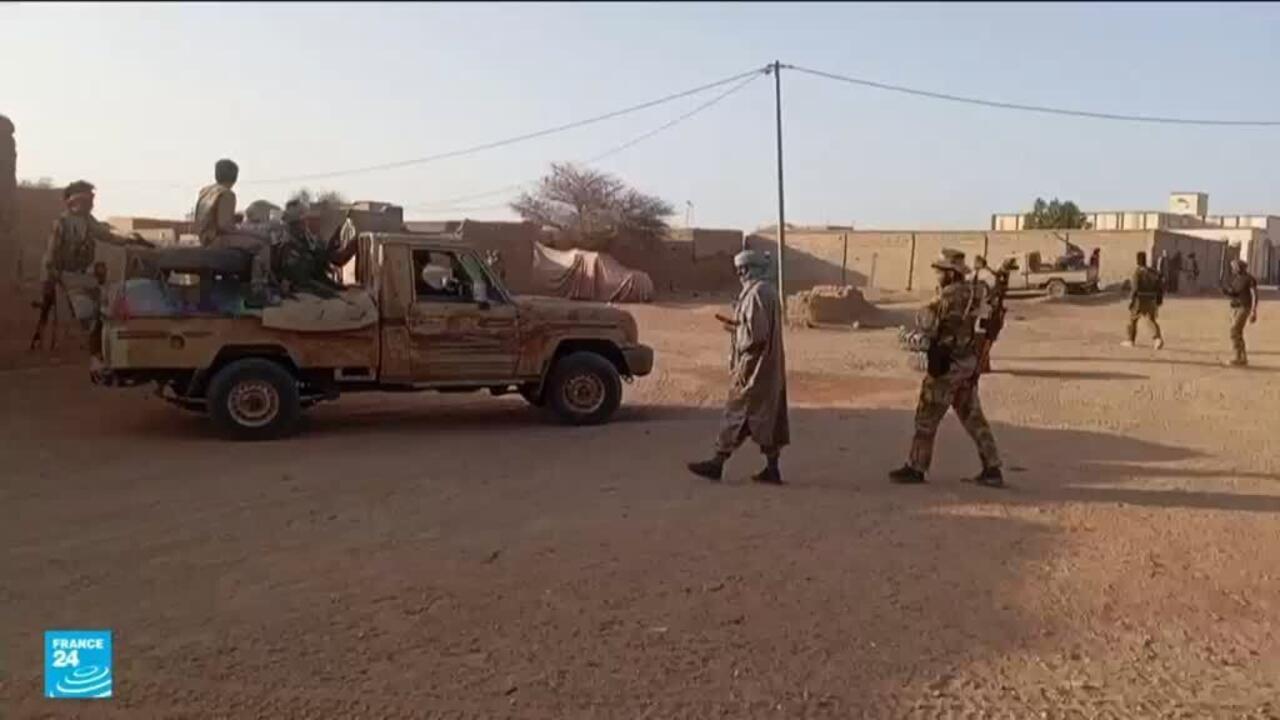
Mali is experiencing turbulent times amid escalating violence, as the country has faced unprecedented attacks from jihadists allied with Tuareg rebels. These events have raised questions about who is behind the support for the Malian army in confronting these increasing challenges, and who is leading military operations on the ground.
These attacks come at a sensitive time, as the Malian army seeks to regain control over areas that have seen a rise in jihadist activity. Reports indicate that armed groups have managed to carry out complex operations, exacerbating the security crisis in the country.
Details of the Incident
Recently, northern Mali has witnessed a series of attacks that resulted in numerous casualties. While these attacks are not new, they have taken on a more violent and organized nature, indicating a new level of challenges faced by the Malian authorities. Reports have shown that armed groups are employing advanced tactics, making it increasingly difficult to counter them.
The Malian army, which suffers from a lack of resources and support, is struggling to confront these threats. However, there are ongoing efforts to enhance military capabilities, including cooperation with neighboring countries and international support.
Background & Context
Historically, Mali has experienced multiple conflicts, including disputes between the government and Tuareg rebels. These conflicts date back decades, as the Tuareg seek greater autonomy. With the rise of jihadist activity in the region, the situation has become more complex, with local agendas overlapping with regional tensions.
The African Sahel region is a hotspot of tension, where many armed groups exploit political and economic chaos. In this context, there is a pressing need for comprehensive strategies to address security challenges, including strengthening regional and international cooperation.
Impact & Consequences
These events significantly affect stability in Mali, and their repercussions may extend to neighboring countries. The escalation of violence could worsen humanitarian crises, as civilians suffer from the ongoing conflict. Additionally, the deteriorating security situation may impact development efforts in the country, increasing the suffering of local populations.
Moreover, the rise in violence may open the door for external interventions, complicating the situation further. There are concerns that foreign powers may intervene under the pretext of combating terrorism, which could exacerbate conditions rather than improve them.
Regional Significance
The events in Mali are part of a larger picture concerning regional security in North Africa and the Sahel. The escalation of violence in Mali could affect neighboring Arab countries, potentially leading to an influx of refugees and increased border tensions. The security situation in Mali may also impact counter-terrorism efforts in the region, necessitating greater coordination among Arab states.
In conclusion, Mali continues to face severe security challenges that require an urgent and comprehensive response. It is essential for the Malian government to collaborate with the international community to ensure the country's stability and achieve lasting peace.