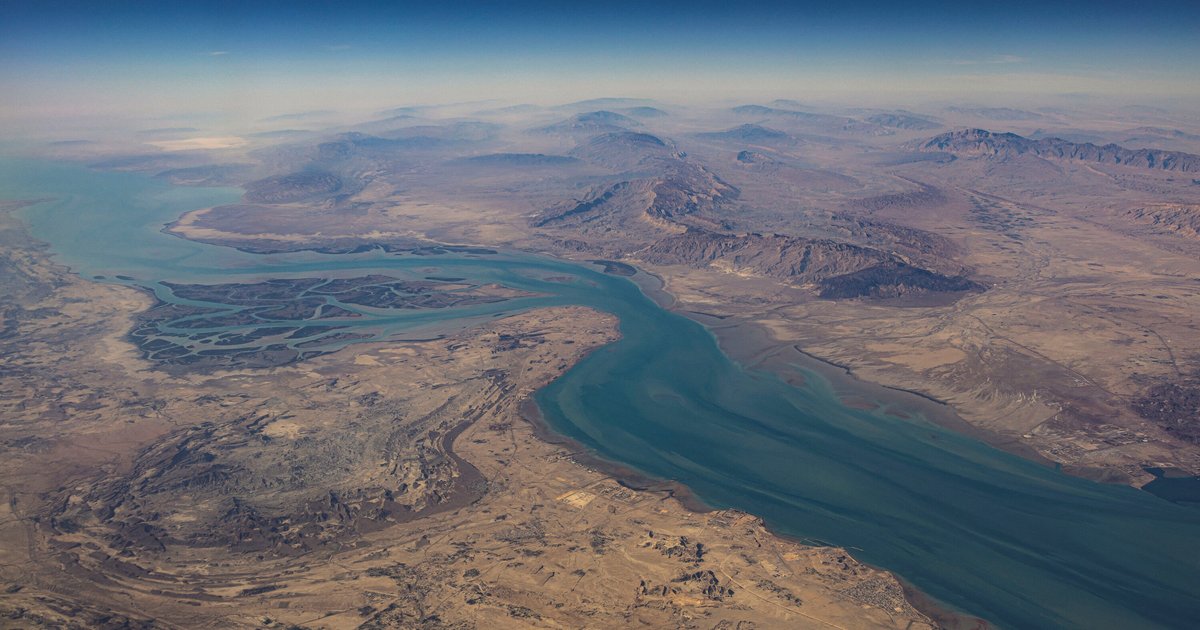
Iran has presented a new proposal to the United States aimed at opening the Strait of Hormuz, reflecting Tehran's desire to ease nuclear tensions and improve relations with Washington. This proposal comes at a critical time in the geopolitical landscape.
The Strait of Hormuz is one of the most important waterways in the world, through which approximately 20% of global oil exports pass. The region has witnessed increasing tensions in recent years, adversely affecting maritime navigation and international trade.
Details of the Proposal
In an unprecedented move, Iran has expressed its willingness to make concessions regarding its nuclear program in exchange for the opening of the Strait of Hormuz. This proposal follows a series of indirect negotiations between the two parties, as Tehran seeks to alleviate the economic pressures imposed on it due to Western sanctions.
Diplomatic sources have indicated that Iran hopes this proposal will help rebuild trust with Washington, potentially leading to the resumption of talks regarding the Iranian nuclear agreement. Iranian officials have also pointed out that opening the strait would contribute to stabilizing global oil prices.
Background & Context
Historically, the Strait of Hormuz has seen numerous political and military crises, serving as a stage for several confrontations between Iran and the United States. In 2019, tensions escalated when Iran seized oil tankers, leading to strong international reactions.
These developments come at a time when the region is experiencing significant geopolitical changes, with many countries seeking to strengthen their relations with Iran amid ongoing tensions with the West. Countries like China and Russia have shown increasing interest in cooperating with Iran, complicating the regional landscape further.
Impact & Consequences
If the Iranian proposal is accepted, it could lead to a de-escalation of tensions in the region, contributing to the stability of global oil markets. It may also pave the way for the resumption of dialogue between Iran and the United States, potentially resulting in positive outcomes at both regional and international levels.
However, the question remains regarding Washington's willingness to accept this proposal, especially given the internal and external pressures it faces. U.S. officials may be cautious about making any concessions that could be interpreted as a sign of weakness.
Regional Significance
The Arab countries neighboring the Strait of Hormuz, such as the UAE and Saudi Arabia, are among those most affected by developments in this waterway. Opening the strait could enhance trade and maritime transport, benefiting the economies of these nations.
At the same time, any escalation of tensions could have negative implications for regional security, necessitating a cautious approach from Arab states in dealing with this issue. Regional cooperation may be key to achieving stability in the area.
In conclusion, the future of Iranian-American relations remains uncertain, but the Iranian proposal to open the Strait of Hormuz represents a step towards dialogue. The international community must closely monitor these developments, as they could significantly impact regional and global stability.