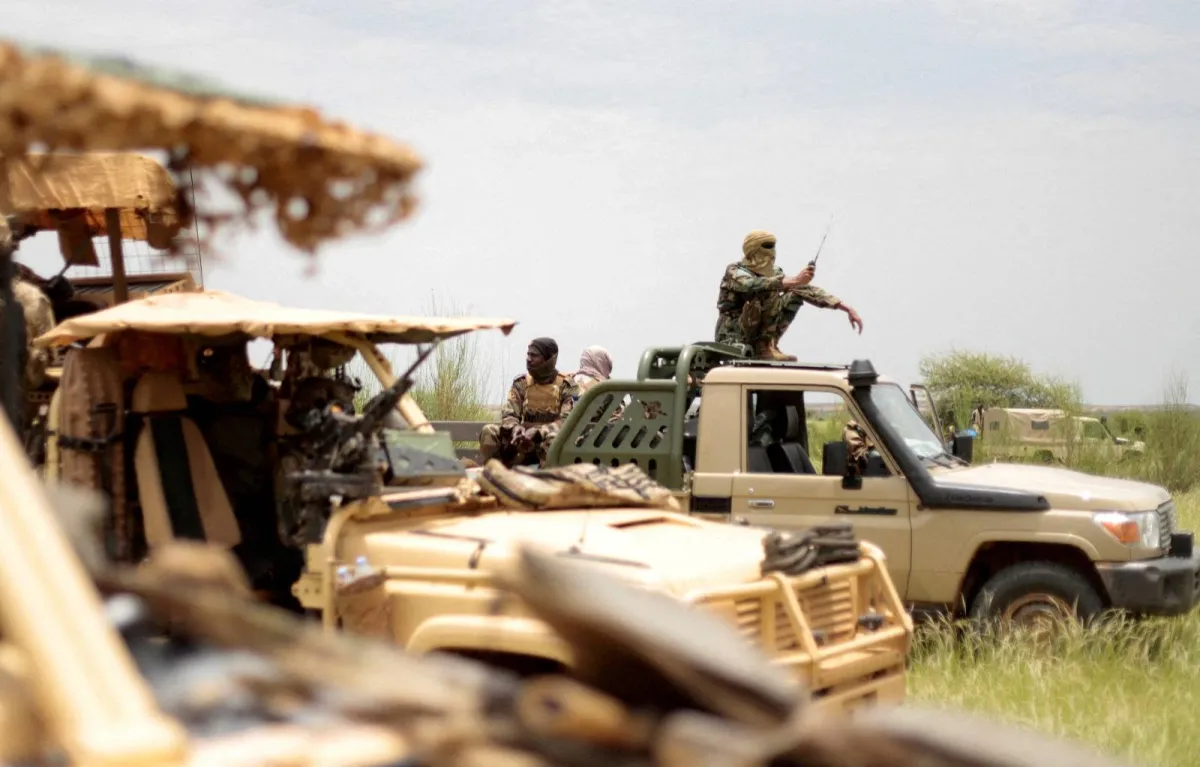
Tensions are rising in Mali following unprecedented attacks on the capital, Bamako, which are reshaping the balance of power between Russia and the West. The assassination of Mali's defense minister and the mysterious situation surrounding the military council leader complicate the landscape further.
These events come at a sensitive time as armed groups linked to Al-Qaeda and ISIS continue their assaults, placing the Malian government in a difficult position. Since the military coup in 2020, Mali has leaned towards Russia, raising questions about the impact of these shifts on international relations in the region.
Details of the Incident
Bamako has faced severe assaults in a coordinated attack, resulting in the death of Defense Minister Sadio Kamara, while military council leader Assimi Goita remains missing. The attacks, which targeted several sites in the capital, including its airport, represent the largest escalation of violence in years.
The Malian government has announced a three-day nighttime curfew, asserting that the situation is under control. However, reports indicate that rebels have managed to seize new areas, increasing instability.
Background & Context
Historically, Mali has experienced multiple internal conflicts, but recent military coups have led to a significant shift in foreign policy. Instead of relying on Western allies, the Malian government has begun to strengthen its ties with Russia, evident from the presence of Russian troops in the country.
This shift has occurred at a time when Mali is grappling with an ongoing rebellion, prompting the government to seek external military support. However, this strategy has not achieved the desired success, as armed groups continue to carry out their attacks.
Impact & Consequences
Experts believe that the situation in Mali could lead to a realignment of influence among major powers. If Western pressures on Russia continue, the Malian government may be compelled to return to cooperation with France, which has historical ties with the country.
The rising violence in Mali could also impact neighboring countries such as Niger and Burkina Faso, signaling a potential spread of terrorist activity in the region. This situation may complicate counter-terrorism efforts in the Sahel.
Regional Significance
The events in Mali hold particular importance for the Arab region, reflecting the increasing geopolitical tensions among major powers. The escalation of violence may affect stability in Sahel countries, necessitating a response from the international community.
In conclusion, Mali remains at the heart of a complex power struggle, where local and international dimensions intertwine. The Malian government must take urgent steps to address the escalating security and political crises amid growing challenges.