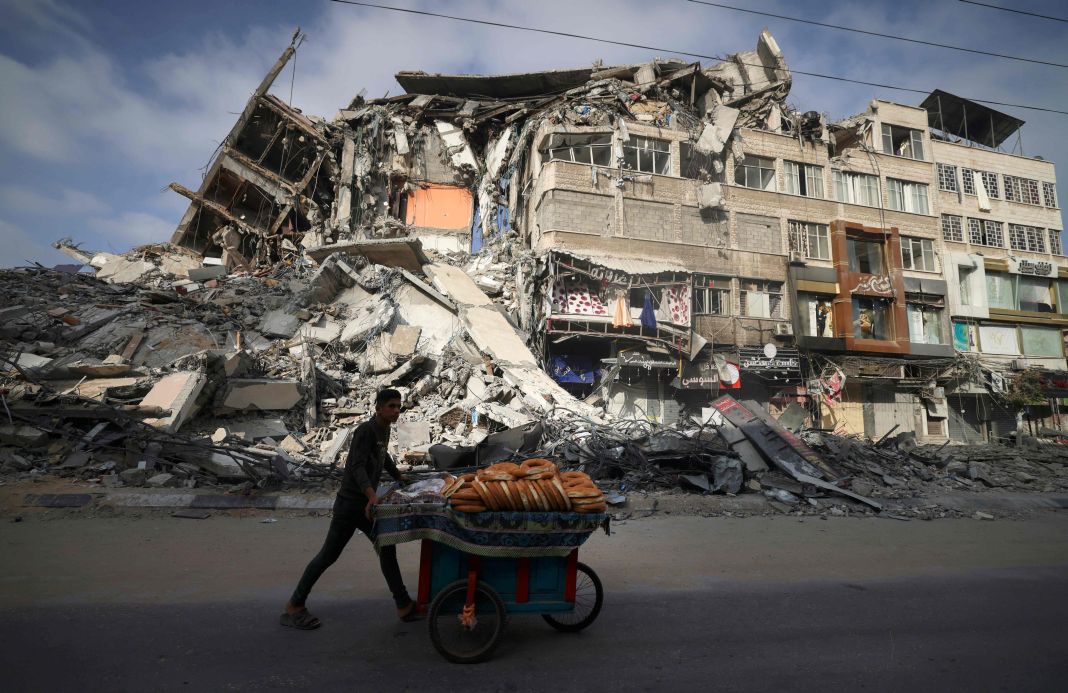
The region is witnessing an escalation in conflicts, raising questions about the future of the situation. Multiple crises are intertwining, complicating the political and security landscape.
Amid increasing tensions, attention is turning to the rapid events that may affect the stability of the region. The crises range from armed conflicts to humanitarian crises, imposing new challenges on governments and peoples.
Details of the Events
Events are unfolding in the region, with the intensity of conflicts rising in several countries, causing concern over the worsening situation. The crises vary from armed conflicts, economic crises, to political tensions, making it difficult to predict the course of events.
Recently, some countries have witnessed an escalation in military operations, leading to a deterioration in humanitarian conditions. Reports indicate an increase in the number of displaced persons and refugees, adding pressure on neighboring countries.
Background & Context
Historically, the region has experienced many conflicts that have affected its stability. From the Israeli-Palestinian conflict to the disputes in Syria and Libya, the crises continue without fundamental solutions. This historical background reflects the complexity of the current situations.
The political and economic dimensions of these conflicts are intertwined, with regional and international powers playing a pivotal role in determining the course of events. The economic crises faced by some countries exacerbate tensions, negatively impacting humanitarian conditions.
Impact & Consequences
The recent escalation in conflicts may lead to serious repercussions at both regional and international levels. The intensification of conflicts could exacerbate humanitarian crises, necessitating international intervention.
The economic impacts cannot be ignored either, as conflicts affect trade and investment flows in the region. Neighboring countries may suffer economic consequences due to the influx of refugees and increasing tensions.
Regional Significance
The escalating situations in the region directly affect Arab countries, as any escalation may reflect on the security and stability of neighboring states. The tensions may lead to increased security cooperation among Arab countries to address common challenges.
In conclusion, the question remains: where are the situations in the region heading? The challenges are significant, but hope remains for the possibility of reaching peaceful solutions that ensure stability and security for all.