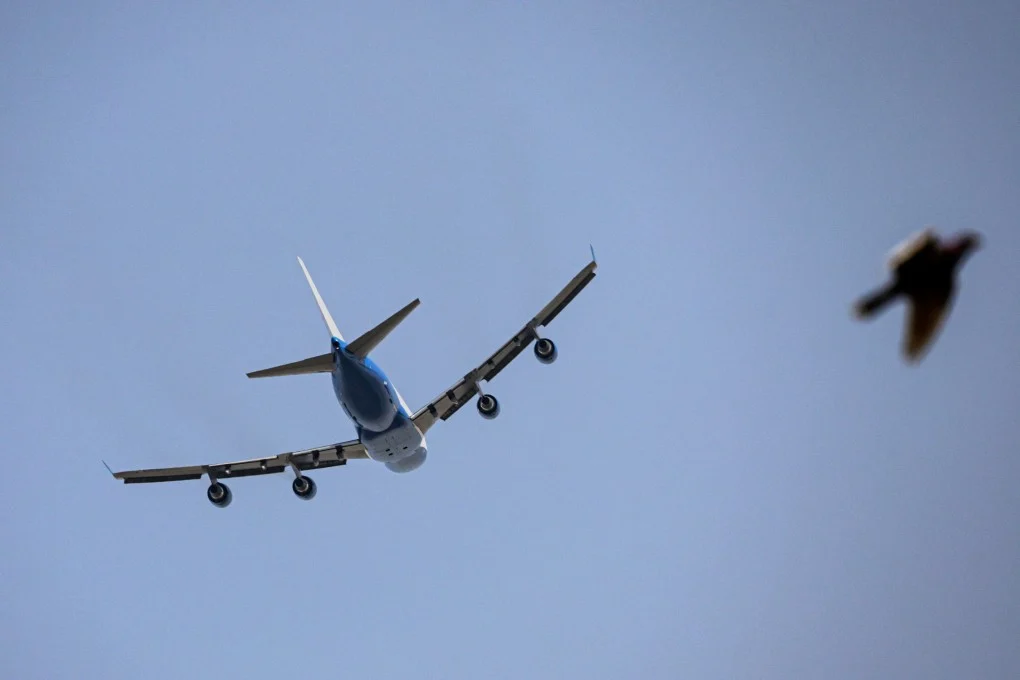
The European Union Aviation Safety Agency has reported that the escalating conflicts in the Middle East, including the ongoing war in Iran, are reshaping flight corridors and increasing risks faced by aircraft. These developments are leading to congestion in flight paths between Asia and Europe, hindering air traffic and escalating tensions in the skies.
The war in Iran, which has entered its second month, has caused a redefinition of airspace in the Middle East, resulting in increased disruptions to flights. Officials have noted that these changes come at a time when the world is grappling with other conflicts, such as the ongoing dispute between Russia and Ukraine, complicating the situation further.
Details of the Situation
The risks to aviation in Europe are rising due to the increased use of drones in conflicts, as these aircraft have become a fundamental part of military operations. This has led to a reassessment of traditional flight corridors, with some areas becoming restricted or requiring additional safety measures.
Conflicts in other regions, such as Pakistan, are also affecting air traffic, increasing pressure on airlines striving to ensure passenger safety. Experts have indicated that these changes could lead to higher operational costs for airlines, which may be reflected in ticket prices.
Background & Context
Historically, the Middle East has been a center for numerous armed conflicts, significantly impacting air traffic. The current conflict in Iran comes against a long historical backdrop of tensions in the region, where recent years have seen a rise in armed conflicts, prompting a reassessment of aviation strategies.
In recent years, the region has also witnessed an increase in the use of drones, which have become a popular weapon in conflicts. This rising usage raises new concerns regarding aviation safety, as drones can pose a direct threat to commercial aircraft.
Impact & Consequences
The repercussions of conflicts in the Middle East extend beyond the region, affecting global air traffic. With flight corridors narrowing, airlines may be forced to alter their routes, leading to longer flight times and increased operational costs.
These changes could also impact tourism and trade between Europe and Asia, as air travel is a vital means of communication between the two continents. If conflicts persist, we may witness long-term effects on the global economy, especially with the increasing reliance on air transport.
Regional Significance
For Arab countries, the conflicts in the Middle East directly impact air traffic and tourism. Many countries rely on tourism as a primary source of revenue, and any deterioration in aviation safety could lead to a decline in tourist numbers.
Moreover, the rising tensions in the region may have political and economic repercussions, affecting relations between Arab states and European countries. Under these circumstances, it becomes essential to enhance regional and international cooperation to ensure aviation safety.
In conclusion, the current situation in the Middle East requires an immediate response from stakeholders to ensure aviation safety. Clear strategies must be developed to address the increasing risks, including strengthening cooperation between nations and developing new technologies for airspace monitoring.