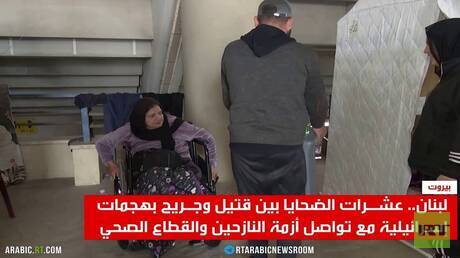
The humanitarian situation in Lebanon is worsening as the number of displaced individuals in shelters increases, presenting a real challenge to the country's health sector. Reports indicate that the rising numbers of displaced people are exerting significant pressure on health resources, threatening the health system's ability to provide essential services.
Shelters in Lebanon are recording an increasing number of displaced individuals, particularly from areas affected by ongoing conflicts. This situation requires a swift response from the government and humanitarian organizations to meet the needs of those who have lost their homes and security.
Details of the Event
Statistics indicate that the number of displaced persons in Lebanon has surpassed 1.5 million, constituting about 25% of the country's total population. These large numbers place enormous pressure on health services, with hospitals suffering from shortages of medical supplies and human resources.
The incidence of infectious diseases is rising due to poor health conditions in shelters, increasing the risk of epidemics. Additionally, the lack of clean water and adequate sanitation exacerbates these conditions.
Background & Context
Historically, Lebanon has faced multiple humanitarian crises, starting from the civil war in the 1970s to the current regional conflicts. These crises have led to a continuous influx of refugees and displaced persons, impacting the country's infrastructure and essential services.
In recent years, the situation has worsened with the outbreak of conflict in Syria, where many Syrians have sought safety in Lebanon. This mass displacement has complicated the economic and social conditions in Lebanon, forcing the government to confront significant challenges in resource management.
Impact & Consequences
The displacement crisis directly affects social stability in Lebanon, as tensions between local communities and displaced individuals have increased. This situation could exacerbate political and economic crises in the country, making it more challenging to achieve stability.
Moreover, the pressures on the health system may lead to a deterioration of health services provided to citizens, increasing the suffering of local populations. Under these circumstances, it becomes essential to enhance cooperation between the government and humanitarian organizations to provide the necessary support.
Regional Significance
The displacement crisis in Lebanon is part of a larger crisis affecting the Arab region. Ongoing conflicts in Syria, Palestine, and Iraq have led to a significant influx of refugees into neighboring countries, posing a substantial challenge to regional security and stability.
These crises require a coordinated response from Arab nations and the international community to provide the necessary support to refugees and displaced persons, ensuring the provision of essential services. At the same time, efforts must be made to address the root causes of conflicts to ensure lasting peace in the region.
In conclusion, the displacement crisis in Lebanon represents a significant challenge that requires urgent attention from all stakeholders. A comprehensive response is needed to ensure the protection and support of displaced individuals and affected local communities.