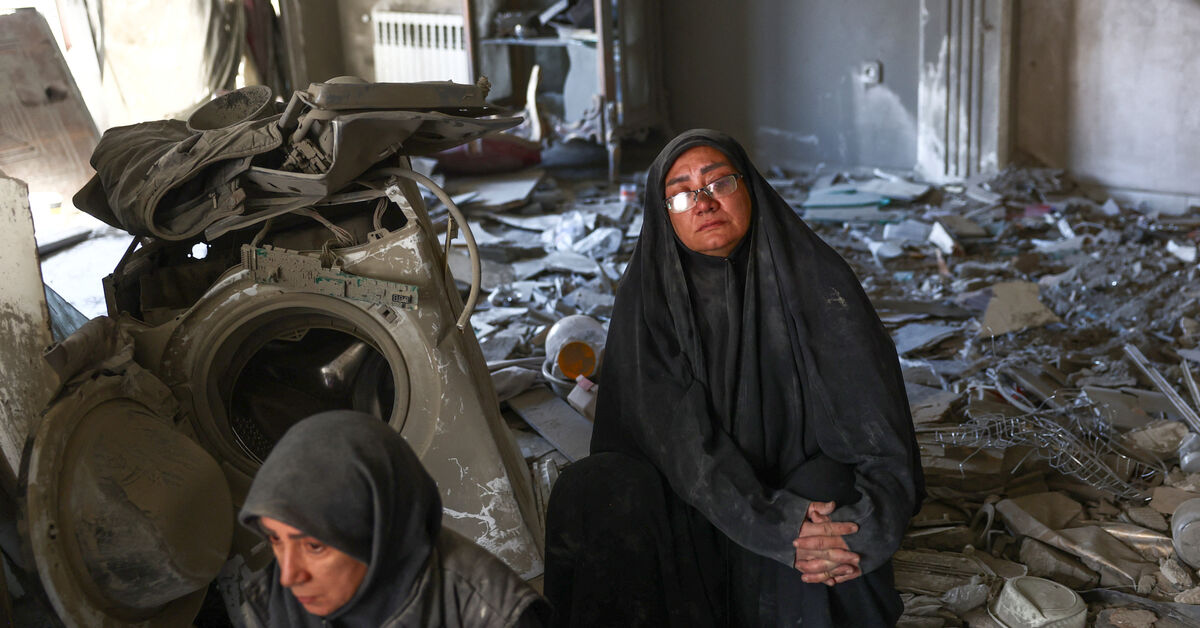
The intensity of the Iranian conflict in the region is escalating, as recent days have seen airstrikes on vital infrastructure in several Middle Eastern countries. These attacks, which target facilities such as oil fields, electricity generation plants, and water desalination stations, have raised significant concerns among legal experts who believe that such actions could be considered war crimes if they continue.
According to international law, targeting civilians or civilian infrastructure is deemed illegal, and states are required to protect civilians during times of conflict. As threats to these vital facilities increase, so does the worry that these actions may exacerbate the humanitarian situation in the region.
Details of the Incident
Reports indicate that the Iranian conflict has taken a more dangerous turn, with several airstrikes executed on vital facilities in countries such as Iraq and Syria. These attacks have not only targeted military objectives but have also impacted infrastructure relied upon by civilians, raising questions about the true aims behind these operations.
Many analysts assert that targeting these vital facilities could worsen the humanitarian situation, as energy and water supplies will be directly affected, threatening the lives of millions of civilians. At the same time, fears are growing that these actions could lead to further escalation of the conflict, jeopardizing the stability of the entire region.
Background & Context
Historically, the region has witnessed numerous armed conflicts that have led to severe violations of human rights. The current Iranian conflict is no exception, as it reflects the struggle for influence among regional and international powers. Since the onset of the conflict, there has been an increase in reciprocal attacks between Iran and its allies on one side, and the opposing states on the other.
Vital infrastructure such as oil fields and electricity plants are considered strategic targets in any conflict, as they play a crucial role in securing basic resources for the population. With rising tensions, it becomes imperative to handle these issues with extreme caution to avoid exacerbating the humanitarian situation.
Impact & Consequences
If these attacks on civilian facilities continue, they could have serious repercussions at both the regional and international levels. Such actions are likely to increase international pressure on the parties involved, potentially leading to sanctions or legal actions against them.
Moreover, these conditions may lead to a deterioration of relations between countries in the region, increasing the likelihood of new conflicts erupting. The ongoing attacks on civilian facilities could create an environment of instability, affecting regional security as a whole.
Regional Significance
Considering the potential impact on Arab countries, the Iranian conflict could directly affect security and stability in the region. Many Arab nations rely on importing energy and water from areas affected by the conflict, making them vulnerable to negative repercussions.
Furthermore, the escalation of the conflict may lead to increased tensions between Arab nations and Iran, negatively impacting diplomatic and economic relations. It is crucial for Arab states to take proactive measures to protect their interests and ensure regional stability by enhancing regional cooperation and coordinating efforts to address common challenges.
In conclusion, the escalating Iranian conflict poses significant challenges at both regional and international levels. It is essential to address these issues with care to ensure the protection of civilians and maintain stability in the region.