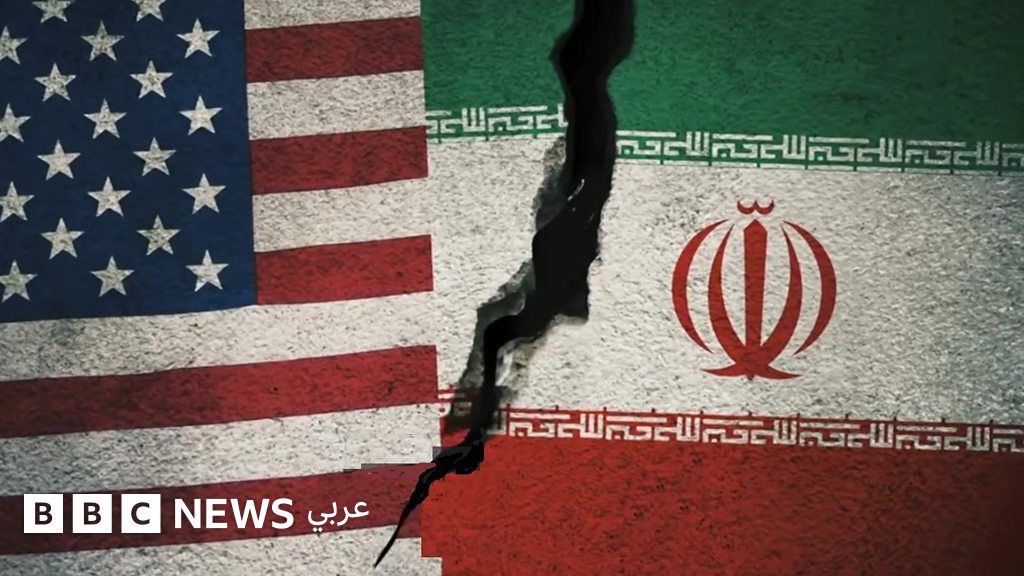
Concerns are growing among experts and analysts as tensions in Iran escalate, particularly amidst ongoing attacks on its nuclear facilities. These developments represent significant concern for the international community, as fears grow over the potential outbreak of a nuclear war or a radioactive leak that could affect countries in the region.
In recent months, Western nations have intensified their monitoring of Iranian activities, with reports indicating a rise in tensions with Tehran, which repeatedly asserts its right to develop a nuclear program for peaceful purposes. However, the exchanged statements between Iran and the international community highlight an increasing misunderstanding that could further exacerbate the situation.
Moreover, the existence of nuclear facilities in other Middle Eastern countries, such as Israel, casts doubt on the potential scenarios should the conflict between Tehran and Western nations escalate. There is a growing fear that Tehran could employ those nuclear capabilities as a means of retaliation against any attacks it might face.
To understand the implications of this situation, we must revisit the Iranian nuclear agreement reached in 2015, which aimed to reduce the risks of nuclear weapons proliferation in the region. However, the United States' withdrawal from this agreement in 2018 disrupted the status quo and allowed Iran to resume its nuclear activities without oversight, contributing to heightened tensions.
In the absence of any effective sanctions or diplomatic pressure forcing Iran to adhere to its commitments, the most terrifying scenario remains the possibility of military escalation leading to a preemptive strike or military response, which could result in dire consequences, including radioactive leaks or even the outbreak of nuclear war in the region.
In this context, the Iranian situation is intertwined with rapidly evolving political and military developments in surrounding countries such as Iraq, Syria, and Lebanon, where Iran-linked militias are active. There are rising concerns that any escalation in Iran could drag these countries into a broader conflict.
A looming danger is the impact of these conditions on regional and international security, as some countries may seek to bolster their military positions in the Middle East to ensure their security, intensifying the arms race that would have negative repercussions on humanitarian and economic situations in the region.
Given Iran's strategic location and its natural resources, the anticipated reverse effects on global oil markets in the event of any military escalation should also be taken into account, potentially leading to rising oil prices and destabilization of the global economy.
To address concerns about the future of Iran's nuclear situation, the international community must take tangible steps to enhance understanding and dialogue, and to resolve disputes peacefully before the nuclear scenario becomes a reality staring everyone in the face.