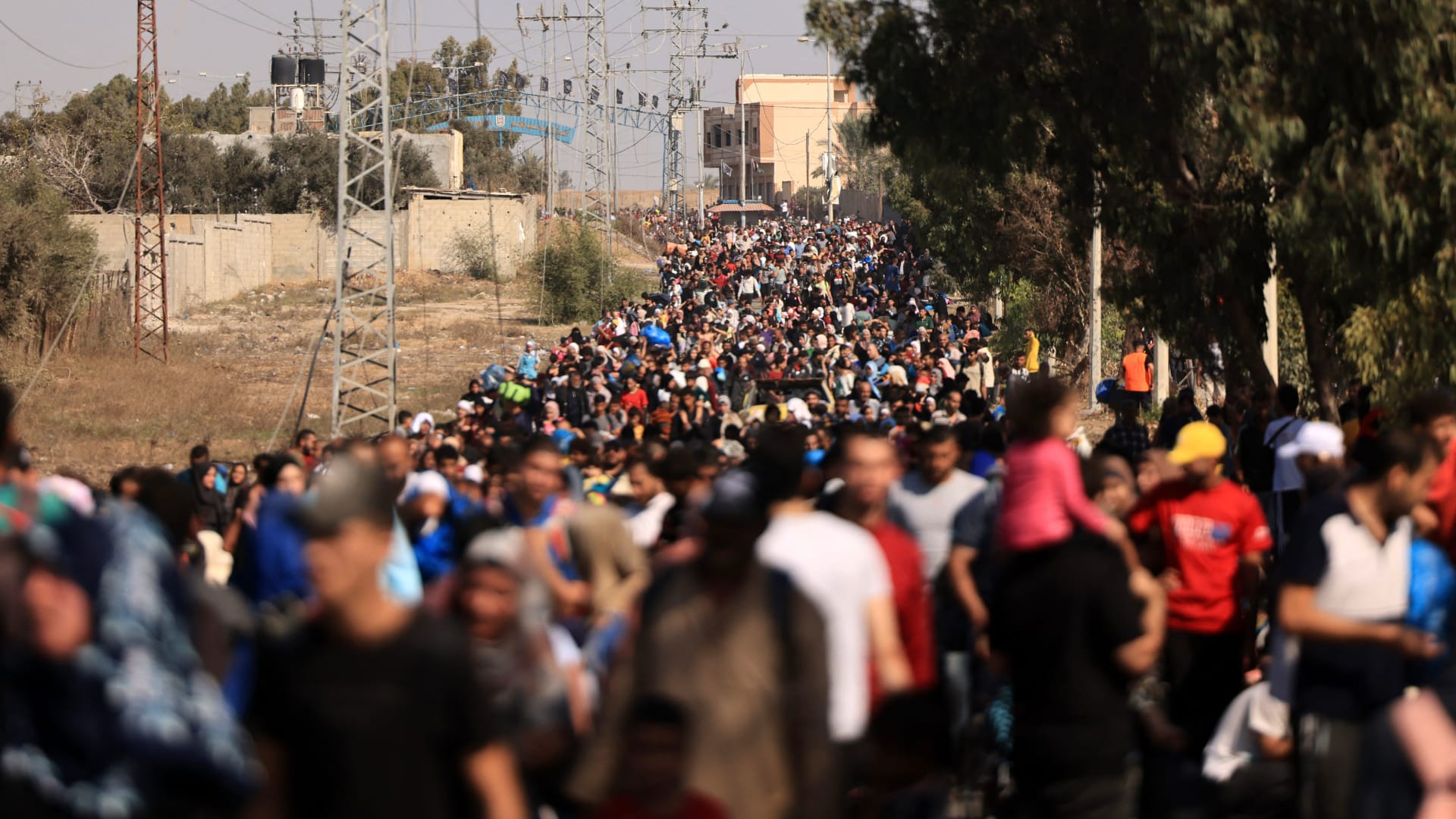
Intense fighting continues between the Israeli army and Hezbollah in southern Lebanon, where Tel Aviv has expanded its ground operations and airstrikes, contributing to the displacement of around one million people from conflict zones. This escalating conflict not only leads to increased military operations but also causes significant humanitarian suffering in the region.
Since the outbreak of hostilities, Israeli military actions have concentrated on multiple sites across southern Lebanon, resulting in considerable loss of life and property. In response, Hezbollah has launched continuous attacks on Israeli forces, warning that the escalation could impact security across the entire region.
Details of the Conflict
Reports indicate that Israeli airstrikes have targeted several strategic locations, including areas close to the border with Lebanon. Concurrently, Hezbollah has announced an escalation of its attacks, intensifying the war rhetoric from both sides. Local sources have confirmed that residents in the affected areas are living in a state of fear and panic, fleeing their homes in search of safe havens.
As clashes continue, various political and international opinions call for the urgent need to pursue peaceful solutions. Nations, notably France, and others are seeking to mediate a ceasefire, efforts that fall within larger attempts to mitigate rising tensions in the area.
Background & Context
The conflict between Israel and Hezbollah stems from decades of ongoing disputes, with each considering the other an existential threat. The region has seen many sharp confrontations, but the recent escalation in conflicts reflects a sudden shift in hostilities. In recent years, tensions have surged significantly between the two sides, particularly following recent events concerning Palestine and the proliferation of explosive fronts.
Recent events have catalyzed military and political bases in the region, heightening pressure on the United Nations and the international community to intervene in establishing security in Lebanon.
Impact & Consequences
Estimates suggest that the severe escalation of the conflict could worsen the humanitarian situation, as many communities are suffering from harsh living conditions and acute shortages of essential supplies. Observers fear that the conflict could drag the entire region into a comprehensive war if the situation is not contained swiftly.
In addition to humanitarian effects, these events could significantly impact the Lebanese economy, which is already struggling with accumulated crises. The persistent threat of military operations would exacerbate instability and deter investment in the region, hindering recovery efforts.
Regional Significance
The ongoing conflict represents an expression of the escalating disputes between regional and local powers. Many Arab countries are closely monitoring the situation, as military incidents in Lebanon pose significant concerns. Several Arab nations, such as Syria and Iraq, are experiencing the repercussions of military conflicts and political struggles, increasing fears of worsening conditions.
On another front, the media are highlighting the humanitarian dimensions of the conflict, prompting civil societies worldwide to engage and call on world leaders to act to end the fighting. In light of these tensions, the question remains: will diplomatic efforts be capable of yielding tangible results in this volatile environment?