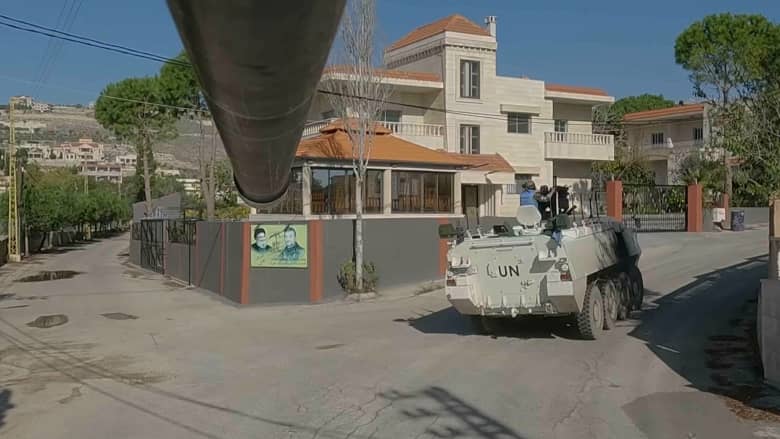
In an unprecedented military escalation, the Lebanese-Israeli border experienced a series of attacks carried out by Hezbollah against Israeli army positions last Saturday. This escalation is part of the ongoing conflict that began about three weeks ago, with recent events highlighting the rising tensions between the two sides.
The Israeli army announced that two reservist soldiers were injured due to mortar shells fired from southern Lebanon. The army clarified that one of the injured sustained moderate injuries while the other was lightly wounded, and they were transported to the hospital where their families were notified, although the location of the attack was not disclosed.
Details of the Attacks
In a related context, Hezbollah acknowledged its involvement in direct clashes that utilized light weapons and rocket shells near the towns of Khiam and Naqoura. The group confirmed that these attacks are part of its reactions to the Israeli escalation in the region, reflecting the ongoing state of tension between the two parties.
The town of Khiam, considered a primary incursion point for Israeli forces, has witnessed repeated targeting operations by Hezbollah, focusing on military vehicles and troops present there. The group also reported strikes on the command center of the Israeli army's northern region, indicating a concentration of efforts on leadership centers.
Targeting Military Sites
Furthermore, other attacks targeted the