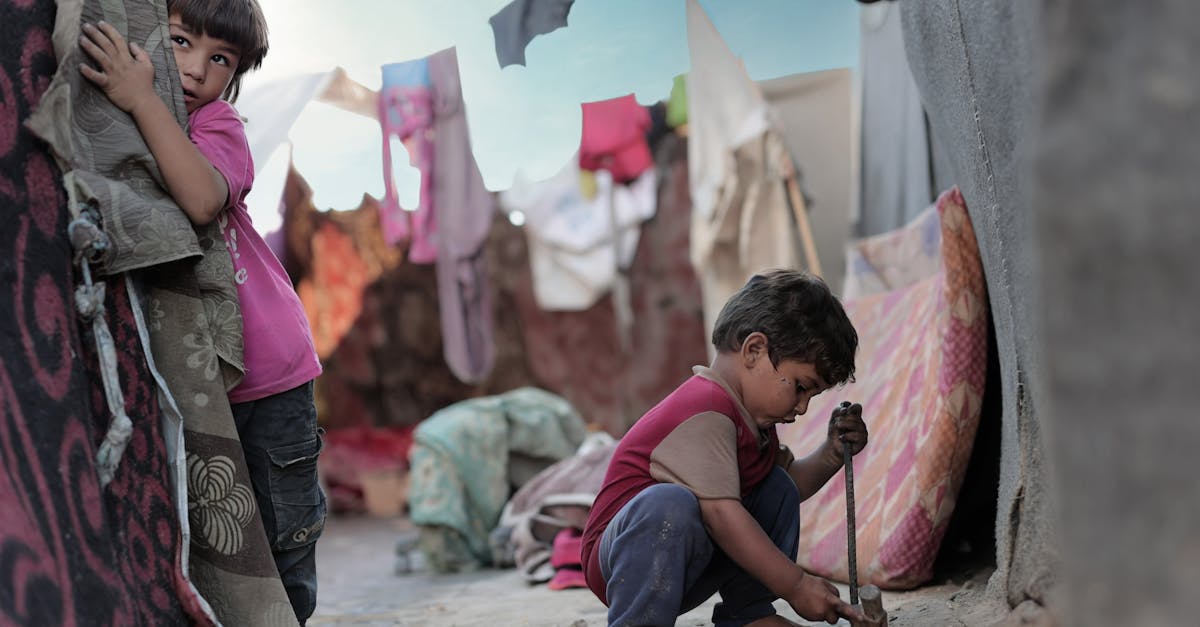
Regional tensions in the Middle East are on the rise, raising questions about the future of the region. Current political decisions appear ambiguous, increasing uncertainty among citizens. Amid escalating crises, citizens are facing new challenges related to security and economic stability.
The reasons behind these tensions are numerous, ranging from armed conflicts in certain countries to political tensions among major powers. These factors directly impact the lives of citizens, creating a state of anxiety and anticipation.
Details of the Situation
Reports indicate that many countries in the region are suffering from political instability, where regional and international interests intertwine in a complex manner. For instance, the conflict in Syria continues unabated, while tensions between Iran and the Gulf states are escalating. These crises affect regional security and exacerbate tensions.
Furthermore, the economic crises faced by some countries, such as Lebanon, add to the complexity of the situation. As economic conditions deteriorate, pressure mounts on governments to find effective solutions, further increasing uncertainty.
Background & Context
Historically, the region has witnessed numerous crises and conflicts that have contributed to the current situation. Historical disputes, such as the Palestinian issue, continue to cast a shadow over relations between countries. Additionally, foreign interventions, whether by major or regional powers, have deepened the crises.
In recent years, the region has experienced significant shifts, such as normalization agreements between some Arab countries and Israel. These shifts have elicited mixed reactions among nations and peoples, complicating the regional landscape.
Impact & Consequences
These tensions directly affect citizens' lives, as fears of escalating violence and instability grow. Economic crises also exacerbate living conditions, increasing frustration among the youth.
Moreover, political instability impacts foreign investments, hindering economic growth in the region. This situation may lead to worsening social crises, with rising rates of unemployment and poverty.
Regional Significance
These tensions pose a significant challenge for Arab countries, which must work to enhance regional cooperation to address these crises. It is essential for countries to adopt effective policies to mitigate tensions and promote stability.
Ultimately, the current situation requires collective efforts from all stakeholders to reach lasting solutions. Regional and international cooperation is the only way to achieve peace and stability in the region.