The war between Iran, the United States, and Israel has escalated to a new level, surpassing traditional military responses. The recent attacks carried out by Iran on the cities of Dimona and Arad on March 21 and 22 served as a wake-up call. These strikes, close to Israel's nuclear research center in the Negev, are not merely exchanges of fire; they portend a fierce conflict aimed at striking vital infrastructure in a region marked by competitive and fractious dynamics.
The Iranian strikes targeted two cities near the Israeli nuclear center, resulting in dozens of injuries and substantial damage to buildings. Reports confirmed that some missiles went unchallenged, marking an unprecedented breach of Israeli defenses in this area during the current conflict. However, reports have not confirmed any direct damage to the nuclear facility itself, as the International Atomic Energy Agency stated there were no abnormal radiation levels or significant harm to the center.
Turning to Iranian behavior, a shift in the nature of attacks is evident following the targeting of the Natanz nuclear facility. These strikes reflect a new policy focused on targeting sensitive sites with strategic symbolism, rather than purely military objectives. The nature of Iran's target bank reveals that the war is leaning towards a concept that surpasses mere quantitative defense to include the prestige of states and their ability to withstand challenges.
As the official Iranian discourse comes to the fore, a tweet from Mohammad Baqer Qalibaf, the Speaker of the Iranian Parliament, highlighted Israel's failure to intercept the missiles as proof of the battle being taken to a different level. Qalibaf, who has gained more influence in the Iranian political landscape following the assassination of Ali Larijani, conveys a strong message that this new stage represents a comprehensive threat to Israeli sites and American capabilities.
An additional development emerged on the energy front, where Iran targeted the Haifa refinery on March 19, leading to localized damage and power outages. These attacks are no longer confined to the military realm, extending to sensitive economic infrastructures in the region, indicating Iranian intent to transition from direct targeting to exerting pressure on vital installations.
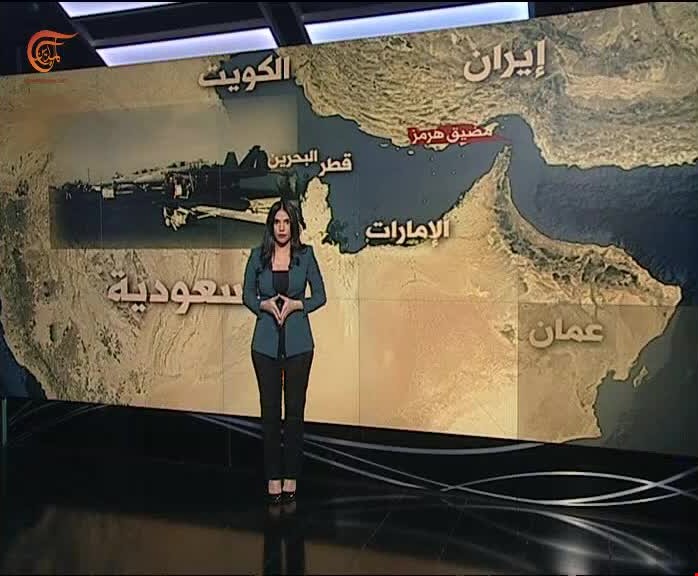
Moreover, a recent American threat followed the escalation of tensions, as the U.S. President issued a 48-hour ultimatum for Iran to open the Strait of Hormuz, threatening to respond to any aggression against Iranian energy stations. Here lies the significance of the strait, through which roughly one-fifth of the world's oil and gas passes, increasing the cost of confrontation if escalation occurs.
Currently, events are heading into a new phase of 'equations' rather than decisive outcomes. Iran is showing that any assault on its nuclear capabilities or energy will be met with similar pressure on strategic centers like Dimona, while Israel and the U.S. continue to intensify their operations against anything related to the Iranian regime.
Thus, the recent developments do not indicate any signs of de-escalation on the horizon; instead, they highlight the enormity of the war in a conflict that may be more fragile, testing each party’s ability to protect its strategic assets and impose higher costs on its adversary.