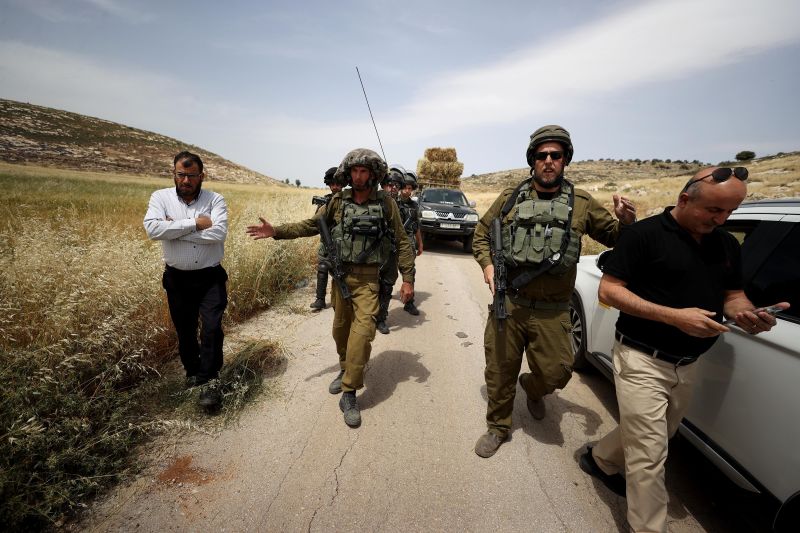
Reports indicate an imminent escalation in occupied Jerusalem, where approximately 300,000 armed settlers are preparing to confront Palestinians. This escalation comes at a sensitive time, as tensions between the two sides are increasing, raising fears of a surge in violence in the holy city.
In light of the tense situation, concerns are growing that this mobilization could lead to violent confrontations, especially given the recent events in Jerusalem. Many observers have expressed worry that this escalation could exacerbate security conditions and have serious repercussions for civilians.
Details of the Event
Warnings are increasing that the military preparations of the settlers could lead to unprecedented escalation in Jerusalem. Large gatherings of settlers have been observed in several areas, causing alarm among Palestinians living in the city. Additionally, the military mobilization coincides with a rise in racist and inciting rhetoric against Palestinians, increasing the likelihood of violent incidents.
These events are occurring alongside provocations from some extremist groups seeking to change the status quo at the Al-Aqsa Mosque, further intensifying tensions in the city. Palestinian sources have warned that this situation could explode at any moment.
Background & Context
Historically, Jerusalem has witnessed numerous bloody events due to tensions between Palestinians and settlers. Since the city's occupation in 1967, it has become a focal point of conflict between the two sides, each striving to assert control over the city. In recent years, there has been an increase in settlement activities, further heightening tensions.
In recent years, the Israeli government has increased its support for settlers, exacerbating the situation in the city. The international community has expressed concern over these policies, but without taking effective steps to curb the escalation.
Impact & Consequences
If this escalation continues, it is likely to lead to increased violence in Jerusalem, which will directly affect the lives of both Palestinians and settlers. This situation could also negatively impact relations between Israel and Arab countries, especially amid international pressures to limit settlement activities.
There are growing fears that this escalation could ignite a new uprising, particularly given the difficult economic and social conditions faced by Palestinians. Any escalation in Jerusalem could affect regional security and complicate peace efforts in the area.
Regional Significance
The events in Jerusalem are part of a broader picture of the Arab-Israeli conflict, impacting relations between Arab states and Israel. In recent years, some Arab countries have taken diplomatic steps toward normalizing relations with Israel, but the events in Jerusalem could revert matters to square one.
Furthermore, the rise in violence in Jerusalem may influence Arab public opinion, potentially leading to increased support for the Palestinian cause in Arab nations. Any escalation could also provoke popular reactions in Arab countries, increasing pressure on governments to address the Palestinian issue more seriously.
In conclusion, the situation in Jerusalem remains tense, reflecting the ongoing conflict between Palestinians and settlers. The anticipated escalation could have serious repercussions for security and stability in the region, necessitating urgent international intervention to curb violence.