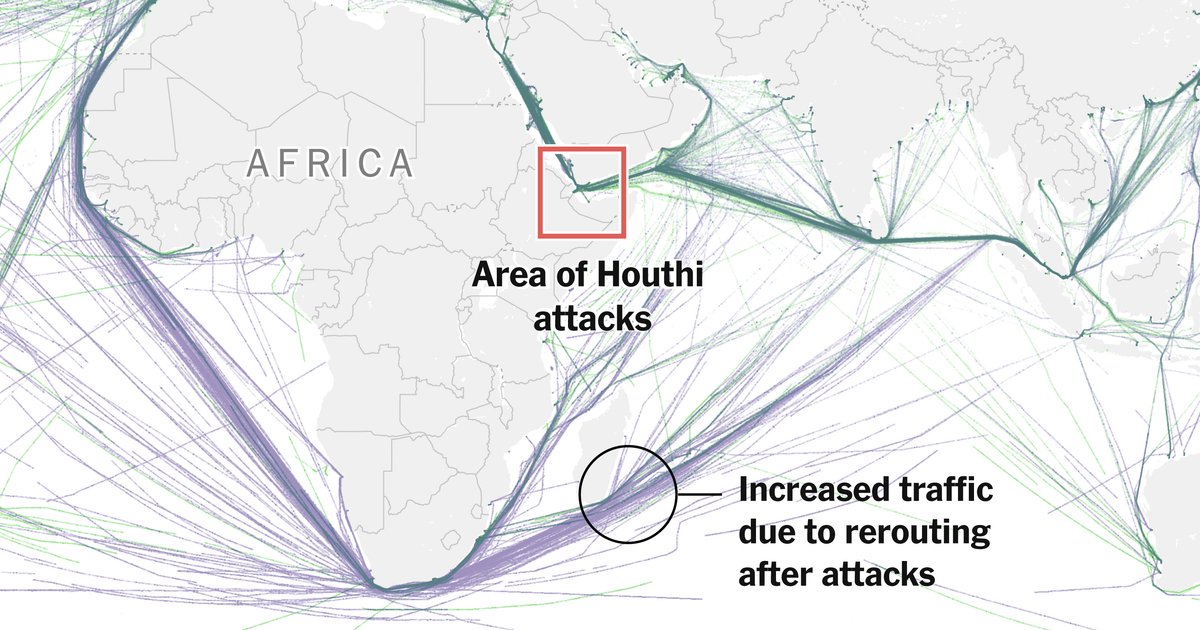
Diplomatic reports suggest that the European Union (EU) is contemplating a review of its naval operations mandate in the Red Sea due to increasing threats from the Houthis in Yemen. Should the Houthis resume attacks on commercial vessels, discussions about amending the mandate will be on the table. This statement comes at a sensitive time, as the EU faces mounting pressure to expand its naval mission to the Gulf region.
An unnamed diplomat noted that it is too early to discuss specific changes to the mandate, but the current situation necessitates close monitoring. These developments occur amid escalating tensions in the region, particularly following recent attacks by the Houthi group.
Details of the Incident
On March 28, the Houthis launched missiles at Israel, marking the first such attack since tensions escalated in the Gulf region. The Houthi military spokesperson, Brigadier General Yahya Saree, stated that the group would continue targeting Israel until it ceases its operations in Iran and Lebanon. This escalation follows a series of military strikes by the United States and Israel on targets in Iran, exacerbating the situation in the region.
The recent military maneuvers by the Houthis raise concerns within the EU, as European leaders seek to avoid being drawn into a military conflict that could destabilize the region. Simultaneously, political pressure is increasing on the EU to expand its naval mission, especially amid rising oil and gas prices.
Background & Context
Historically, the Red Sea has been a strategic area for global trade, with many international shipping routes passing through it. As conflicts in the region have escalated, the Houthis have emerged as a key player in the Yemeni conflict, controlling large parts of the country. Since the onset of the conflict in Yemen in 2015, several countries have intervened, worsening the humanitarian and economic conditions in the country.
The EU's naval operations are part of broader efforts to maintain maritime security and ensure freedom of navigation in the Red Sea. These operations were initiated in the context of increasing tensions between Iran and the United States, which have directly impacted trade flows in the region.
Impact & Consequences
If the EU decides to expand its naval mission, it could escalate tensions with the Houthis and other regional countries. Military intervention could draw the EU into a larger conflict, potentially affecting its political and economic stability. Furthermore, any escalation in the conflict could negatively impact global energy prices, increasing pressure on the European economy.
European military intervention may also require coordination with other allies in the region, creating new diplomatic challenges. At the same time, this could bolster the position of the Houthis, who may see it as an opportunity to expand their influence in the region.
Regional Significance
Events in the Red Sea directly affect Arab countries, especially those reliant on maritime trade. Any escalation in the conflict could disrupt shipping routes, impacting Arab economies. Additionally, rising tensions may reflect on regional security, prompting other countries to enhance their military capabilities in response to potential threats.
In conclusion, the situation in the Red Sea remains complex, where political and economic interests intertwine with military tensions. The EU needs to make well-considered decisions to maintain its stability and security, while Arab nations must be prepared to address any repercussions arising from these developments.