The European Union has launched a comprehensive plan to enhance the protection of media institutions, a move aimed at addressing the increasing threats faced by press freedom in its member states. This plan comes at a time when European media is witnessing a surge in external interventions that seek to undermine media independence and its influence on public opinion.
For years, media outlets in EU countries have enjoyed a high degree of freedom and independence, supported by legislation and laws that protect freedom of opinion and expression. However, recent years have seen a rise in what is known as the "hybrid war," where media has become a target for external interventions aimed at undermining the European project.
Details of the Initiative
Studies indicate that most European countries are experiencing systematic breaches through social media and websites, aimed at spreading misinformation and manipulating elections. Reports confirm that Russia and some American organizations play a pivotal role in these interventions, threatening the stability and security of the European Union.
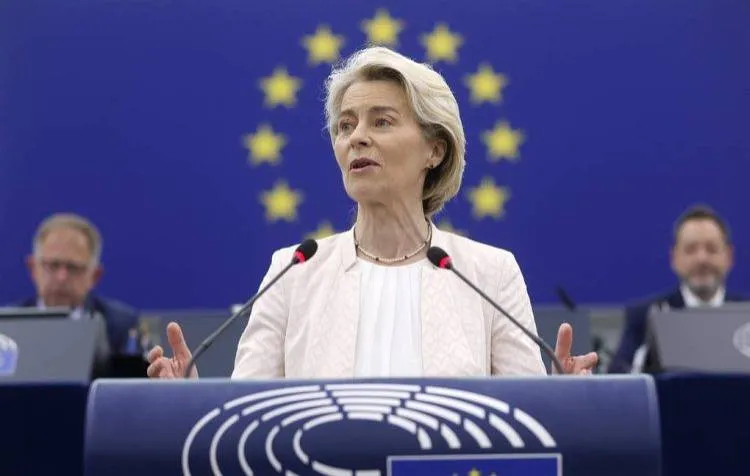
In light of these challenges, the European Parliament has adopted a new plan under the supervision of the First Vice-President of the Parliament, Sabine Verheyen, aimed at enhancing the protection of media from external interventions. The plan includes increasing transparency regarding media ownership and funding sources, as well as imposing strict oversight on major digital platforms.
Background & Context
Recent years have witnessed significant changes in the pattern of information consumption in Europe, especially following major political events such as the war in Ukraine. The emergence of political figures like Donald Trump has also significantly impacted the media landscape, where traditional media faces intense competition from digital platforms.
The new plan also includes the establishment of a transparency register, requiring all media outlets to disclose the identities of their owners and their funding sources. Additionally, it aims to protect journalists from external threats and ensure their independence in their work.
Impact & Consequences
This plan is expected to strengthen the role of traditional media in combating misinformation, thereby enhancing its credibility in the eyes of the public. Furthermore, increasing transparency regarding funding sources may help build greater trust between media outlets and the public.
However, the plan faces opposition from some member states, particularly those adopting far-right policies, which may hinder its full implementation. These forces oppose transparency and defend digital platforms, complicating the media landscape further.
Regional Significance
This step is significant for the Arab region, where many countries suffer from external interventions in their media. The EU's experience could serve as a model for enhancing and protecting press freedom, contributing to the development of a strong and independent media.
In conclusion, challenges remain, but the steps taken by the European Union may represent a new beginning for the protection of media in an era of increasing digital threats.