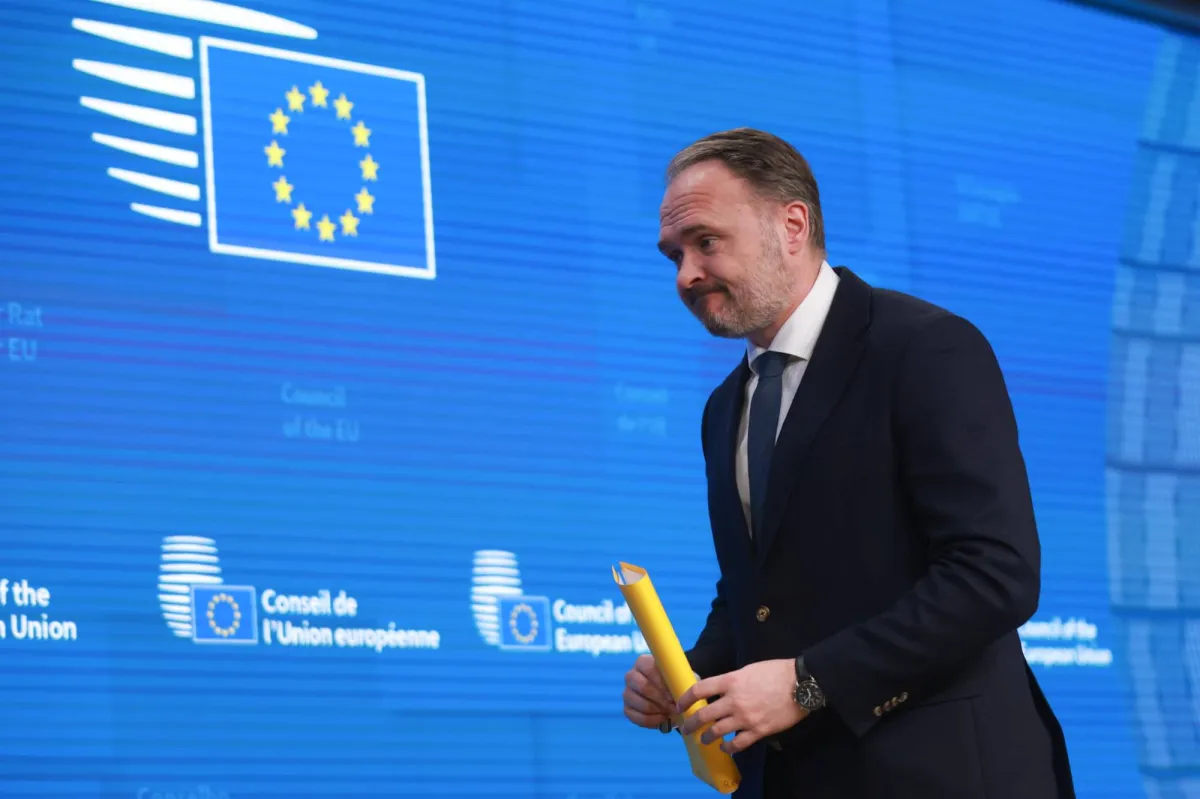
EU Energy Commissioner Dan Jørgensen warned on Tuesday that the escalating oil and gas prices in Europe, resulting from the ongoing war with Iran, will not return to normal levels anytime soon, even if peace is declared tomorrow.
Jørgensen explained at a press conference following a meeting of EU energy ministers that while there is no immediate shortage of oil and gas supplies within the 27-member bloc, there are increasing pressures on diesel and jet fuel supplies, alongside growing constraints in global gas markets, which in turn has led to rising electricity prices.
Details of the Situation
Jørgensen stated, "What I find extremely important is to clearly declare that even if peace were to be achieved tomorrow, we will not return to normalcy in the foreseeable future." The Commissioner revealed that the EU's executive arm is preparing a series of measures designed to help families and businesses cope with the massive price increases, with gas prices rising by 70 percent and oil by 60 percent in Europe.
According to Jørgensen, the EU's bill for imported fossil fuels has jumped by 14 billion euros since the war began. He emphasized the need for closely coordinated actions among all member states to avoid "fragmented national responses" that could send mixed signals to the markets.
Context and Background
These statements come at a sensitive time, as the EU grapples with the repercussions of the ongoing war in the Middle East, which has significantly impacted energy markets. Data has shown that reliance on Russian gas has decreased from 45 percent before the war to 10 percent currently, with plans to reach zero by ramping up imports from the United States, Azerbaijan, Algeria, and Canada.
Jørgensen also reaffirmed the EU's commitment to banning the purchase of Russian gas to reduce dependency and halt funding for the war in Ukraine. He noted that the current situation requires a swift and effective response from all EU member states.
Expected Economic Impact
The anticipated price increases are expected to have negative effects on the European economy, impacting citizens' purchasing power and raising production costs for businesses. Furthermore, the continued rise in prices could exacerbate social and economic crises in many European countries.
Despite the EU's efforts to mitigate these crises, challenges remain. Jørgensen pointed out the importance of coordination among member states to avoid any unforeseen reactions that could worsen the situation.
Impact on the Arab Region
The Arab region is significantly affected by the repercussions of the war in the Middle East, as rising energy prices impact the economies of many countries. The ongoing conflict could also lead to increased tensions in the region, affecting political and economic stability.
Under these circumstances, Arab countries must take proactive steps to adapt to changes in global energy markets and develop new strategies to ensure the sustainability of their economies in the face of future challenges.
In conclusion, the situation in European energy markets remains precarious, with all stakeholders needing to work towards effective solutions to alleviate the current crises.