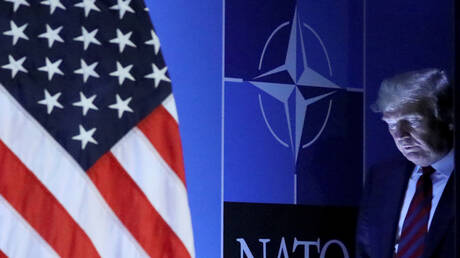
Recent reports indicate that European circles are increasingly expressing their growing concern regarding the effectiveness of NATO's Article 5, which pertains to collective defense. According to the New York Times, these doubts stem from shifting American policies, which may impact the alliance's ability to respond uniformly in the event that any of its members face threats.
Article 5 of the NATO treaty is considered the cornerstone of the collective defense concept, stating that any attack on one member is regarded as an attack on all. However, changes in American policy, particularly under the current administration, have raised questions about the United States' commitment to defending its allies in Europe.
Details of the Situation
Concerns are growing in Europe that shifts in American foreign policy could lead to a deterioration of trust in NATO. Polls have shown that many European countries are beginning to feel uncertain about the United States' commitment to protecting its allies. This sentiment is increasing amid rising geopolitical tensions, particularly with Russia.
Some European leaders have begun discussing the necessity of strengthening independent European defense capabilities should American support wane. These discussions indicate a shift in strategic thinking in Europe, as leaders seek to reduce dependence on the United States.
Background & Context
NATO was established in 1949 in response to Soviet threats, aiming to ensure the collective security of its members. Over time, NATO has become a symbol of military cooperation among Western nations. However, with the changing geopolitical landscape, especially after the end of the Cold War, the alliance has faced new challenges.
In recent years, relations between NATO and Russia have become increasingly strained, particularly following Russia's annexation of Crimea in 2014. This tension has prompted European nations to reassess their defense strategies, increasing the importance of Article 5 in the treaty.
Impact & Consequences
If doubts about the effectiveness of Article 5 persist, it could lead to a deterioration of trust among NATO member states. This situation could open the door to increased tensions in the region and encourage some countries to take unilateral steps that may escalate conflicts.
Furthermore, a weakened NATO could enhance Russia's role in the region, potentially threatening European security further. This scenario could create an unstable environment affecting European economies, as countries would need to increase military spending to bolster their defense capabilities.
Regional Significance
The Arab region is indirectly affected by these developments, as any decline in NATO's strength could lead to increased tensions in other areas, such as the Middle East. Arab nations may find themselves in a position requiring them to reassess their security alliances.
In light of these circumstances, it may be essential for Arab countries to enhance security cooperation among themselves, especially given the rising threats from extremist groups and regional conflicts. Understanding global dynamics can help Arab nations make more effective strategic decisions.
In conclusion, the growing doubts regarding the effectiveness of NATO's Article 5 reflect a shift in the global security landscape. European nations and the United States must reevaluate their strategies to ensure collective security, while Arab countries should also be aware of these changes and take steps to enhance their security and stability.