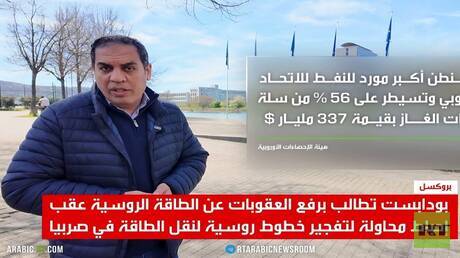
European political circles are warning of an imminent energy crisis following the thwarting of a bombing attempt on a Russian gas pipeline in Serbia, which is a vital energy artery for Budapest. This incident comes at a sensitive time as the continent faces increasing tensions in energy supplies, raising fears of negative impacts on the European economy.
The targeted pipeline is part of the gas network that supplies energy to several European countries, reflecting the escalating tensions between Russia and Western nations. Preliminary investigations have revealed that there are parties seeking to destabilize supplies, complicating the situation on the continent.
Details of the Incident
In recent hours, Serbian authorities managed to thwart an attempt to bomb the Russian gas pipeline, which is one of the main sources of energy for the Hungarian capital, Budapest. The incident occurred at a critical time as Europe was preparing for a harsh winter, increasing the importance of maintaining energy supplies.
Investigations are ongoing to identify potential perpetrators behind this attempt, with some officials indicating that these actions may be linked to rising political tensions in the region. There are also concerns that such incidents could recur, threatening the stability of supplies in the future.
Background & Context
Historically, Europe has heavily relied on Russian gas to meet its energy needs. As political tensions between Russia and Western nations have escalated, fears of supply disruptions have increased. In recent years, relations between Russia and the European Union have deteriorated significantly, prompting many European countries to seek alternative energy sources.
This crisis comes at a time when pressures are mounting on European governments to secure energy supplies, especially with winter approaching. Recent events have led to increasing calls for enhancing energy security in the region, including diversifying energy sources and reducing dependence on Russian gas.
Impact & Consequences
If these tensions continue, they could lead to rising energy prices in Europe, which would adversely affect the economy overall. Many European countries may find themselves compelled to take emergency measures to cope with supply shortages, potentially increasing burdens on citizens and businesses.
Moreover, these events could escalate political tensions between Russia and Western nations, further increasing instability in the region. European governments are likely to take additional measures to bolster energy security, including increasing investments in renewable energy sources.
Regional Significance
The energy crisis in Europe indirectly affects the Arab region, as many Arab countries are major energy suppliers. If the crisis persists, European nations may increase their imports of oil and gas from Arab countries to compensate for the shortfall in Russian supplies.
These events may also open new avenues for cooperation between Arab countries and Europe in the energy sector, potentially contributing to strengthening economic and political relations between both sides.
In conclusion, the energy crisis in Europe remains a sensitive issue that requires close monitoring, as its ramifications could impact the global economy as a whole.