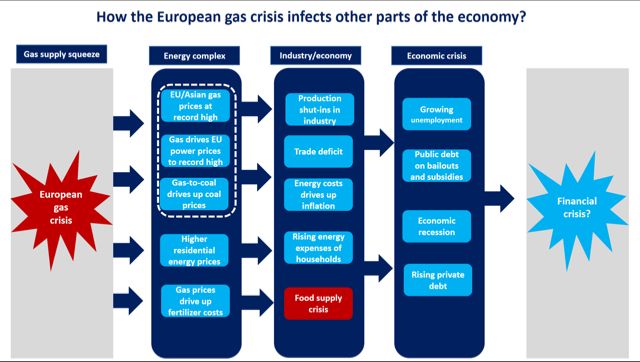
Europe is living through a severe gas supply crisis, with demand significantly increasing under the current economic conditions. This crisis casts a shadow over the economic stability of the continent, raising concerns about its impacts on various industries and sectors.
As winter approaches, many European countries face significant challenges in securing the necessary gas supplies to meet their needs. The rise in prices has increased pressure on households and businesses, threatening to elevate inflation rates and impact economic growth.
Details of the Crisis
Gas prices in Europe have reached record levels, rising by more than 200% compared to last year. This increase is attributed to a combination of factors, including reduced supplies from Russia and heightened demand for liquefied natural gas (LNG) from countries like the United States. Additionally, geopolitical tensions in the region are exacerbating this crisis.
European governments are seeking urgent measures to alleviate the crisis, including exploring alternative gas sources and increasing investments in renewable energy. However, these efforts may take time before yielding results.
Background & Context
Historically, Europe has heavily relied on Russian gas, which accounted for about 40% of its total needs. However, following the escalation of political tensions, European countries have begun reassessing their energy strategies. This has accelerated efforts to diversify energy sources, but challenges remain.
In recent years, Europe has also witnessed shifts in its environmental policies, aiming to transition to more sustainable energy sources. However, these transitions require time and high costs, complicating the current situation.
Impact & Consequences
The gas crisis is affecting various economic sectors, with heavy industries such as steel and iron facing increased production costs. Households are experiencing rising pressures due to higher energy bills, which exacerbates poverty rates and affects quality of life.
Some reports predict that this crisis may persist for an extended period, potentially leading to a slowdown in economic growth across many European countries. This, in turn, could impact global markets, as Europe is one of the largest consumer markets in the world.
Regional Significance
The European gas crisis presents an opportunity for gas-producing Arab countries, as it may increase their exports to European markets. However, geopolitical tensions in the region could affect these opportunities.
Some Arab countries, such as Qatar, are seeking to enhance their role as a major supplier of liquefied natural gas, which could contribute to greater stability in global energy markets.
In conclusion, the European gas crisis represents a significant challenge for the continent, but it simultaneously opens new avenues for Arab countries in the energy sector. The current situation requires a swift and effective response from European governments to ensure energy market stability and achieve sustainable development.