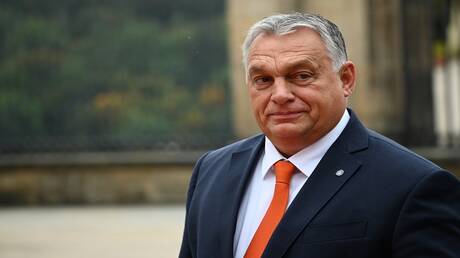
Hungarian Prime Minister Viktor Orbán has warned that Europe faces the risk of losing in the financial and energy crises if serious and swift steps are not taken to change its policies. This statement was made during Orbán's remarks, where he pointed out that the current situation requires an immediate response from European nations.
Orbán clarified that the financial and energy crises affecting Europe necessitate new strategies that align with current challenges. He stressed that time is not on the continent's side, and delays in decision-making could exacerbate the crises.
Details of the Event
Orbán's remarks come at a time when many European countries are suffering from rising energy costs and the impacts of the global financial crisis. Financial markets have experienced sharp fluctuations, affecting the stability of European economies. Additionally, the energy crisis, worsened by geopolitical conflicts, has led to increased fuel and electricity prices, raising concerns among citizens and businesses alike.
In this context, Orbán called for the necessity of cooperation among European countries to develop new policies that ensure market stability and provide energy at reasonable prices. He highlighted the importance of innovation and technology in addressing these challenges, as they can play a pivotal role in improving energy efficiency and reducing reliance on traditional sources.
Background & Context
Historically, Europe has faced numerous economic crises that have impacted its stability. With the outbreak of the COVID-19 pandemic, the continent encountered additional challenges that led to economic growth declines and increased unemployment rates. However, the current crises demand a more comprehensive and effective response, as conditions are changing rapidly.
The energy crisis is one of the most pressing issues currently facing Europe, as political conflicts have reduced gas and oil supplies. This situation places additional pressure on European governments, necessitating swift actions to ensure market stability.
Impact & Consequences
If Europe does not take urgent steps, it may face dire consequences at both economic and social levels. The continuation of the crises could exacerbate poverty and increase social tensions, negatively impacting political stability in the region.
Moreover, the economic impacts may extend beyond Europe's borders, as any decline in European growth could affect global markets, including developing countries that rely on trade with European nations. Therefore, Europe's stability is vital for the global economy.
Regional Significance
The financial and energy crises in Europe have a direct impact on the Arab region, as many Arab countries depend on exporting oil and gas to Europe. Any decline in European demand could adversely affect Arab economies and increase pressures on government budgets.
Furthermore, any changes in European policies could impact Arab investments in the continent, prompting Arab nations to reassess their economic and trade strategies.
In conclusion, the question remains about how Europe will respond to these challenges. Rapid changes may be necessary to avoid losses, but they also require effective international cooperation to ensure a stable future for all.