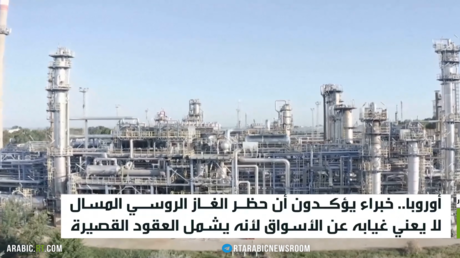
The European ban on Russian liquefied gas supplies has come into effect, raising questions about its impact on the European market. However, economic circles confirm that this ban does not mean the absence of Russian gas from the markets, as it targets only short-term contracts.
This move comes at a time when Europe is suffering from an escalating energy crisis, due to the ongoing conflict in Ukraine and its effects on gas supplies. This conflict has heightened tensions between Russia and Western countries, prompting the European Union to take strict measures against Russian energy supplies.
Details of the Ban
The European ban on Russian gas primarily includes short-term contracts, meaning that European countries may continue to import Russian gas through long-term contracts. This situation raises concerns among many experts who believe that the ban may not have the expected impact on reducing European reliance on Russian gas.
At the same time, reports indicate that some European countries may seek alternatives to Russian gas, such as liquefied natural gas from the United States or gas from other countries. However, these alternatives may face challenges in supply and pricing, potentially leading to increased energy costs in Europe.
Background & Context
Historically, Europe has heavily relied on Russian gas to meet its energy needs. As the conflict in Ukraine escalated, the European Union began reassessing its energy strategies. The current ban is part of broader efforts to reduce dependence on Russian energy and promote renewable energy sources.
Although the ban may seem like a bold step, many analysts believe it may not be sufficient to achieve the ambitious energy goals set by the European Union. The economic and political challenges faced by European countries could hinder their efforts in this direction.
Impact & Consequences
The ban is expected to have significant effects on the European market, potentially leading to increased gas and energy prices overall. This situation could negatively impact the European economy, which is already suffering from the repercussions of the conflict in Ukraine.
Moreover, the ban could escalate tensions between Russia and European countries, affecting political and economic relations in the region. At the same time, Russia may seek to strengthen its ties with other countries to compensate for the losses resulting from the ban.
Regional Significance
For the Arab region, the European ban on Russian gas may lead to increased demand for natural gas from Arab countries, especially from nations like Qatar and Algeria. This situation could open new avenues for economic cooperation between Arab countries and Europe.
Additionally, rising gas prices could impact the economies of oil and gas-producing Arab countries, potentially contributing to the strengthening of their public budgets. However, these countries must also be prepared to address challenges that may arise due to global market fluctuations.