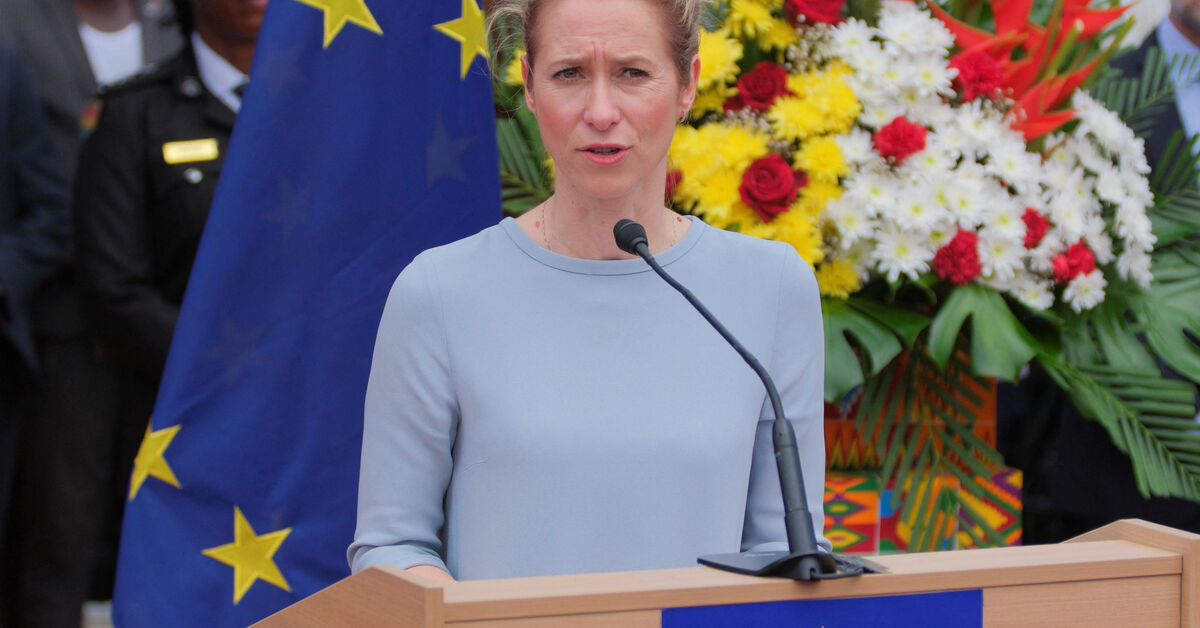
In a move aimed at enhancing economic and political cooperation, Kaja Kallas, the European Union's foreign policy chief, called on Southeast Asian countries to refrain from relying on Russian oil amid current crises. This statement was made during a meeting in Bandar Seri Begawan, where she emphasized the importance of seeking alternative energy sources to address the fuel shortages these nations are experiencing.
This call comes at a time when the world is grappling with the repercussions of the conflict in the Middle East, which has significantly impacted energy supplies. The European Union recently approved a new round of sanctions against Russia, including tightening restrictions on oil trade, in an effort to limit Moscow's ability to finance its war in Ukraine.
Details of the Appeal
During the meeting, Kallas stressed that dependence on Russian oil could exacerbate economic crises in Southeast Asian countries, highlighting the necessity for sustainable alternatives. She pointed out that many nations in the region face significant challenges in securing their energy needs, which requires new strategies for cooperation.
Kallas also underscored the importance of strengthening relations between the EU and Southeast Asian nations, noting that collaboration in renewable energy and technology could contribute to achieving economic stability in the region.
Background & Context
Historically, Southeast Asian countries have relied heavily on Russian oil, especially during previous crises. With rising geopolitical tensions, it has become essential for these nations to reassess their strategies for securing energy sources. The sanctions imposed on Russia by the EU and the United States could significantly impact oil supplies, making the search for alternatives urgent.
In recent years, the region has witnessed significant shifts in energy markets, with many countries beginning to invest in renewable energy. These transformations could present new opportunities for cooperation between Southeast Asian nations and the EU, enhancing these countries' ability to face future crises.
Impact & Consequences
Kallas's call serves as a warning to Southeast Asian nations against relying on unstable energy sources. If these countries continue to depend on Russian oil, they may face greater economic crises in the future. European sanctions could lead to rising oil prices, affecting local economies.
On the other hand, this appeal could open new avenues for cooperation between regional countries and the EU, contributing to enhanced energy security. Investing in renewable energy may be the optimal solution to tackle future challenges.
Regional Significance
This call highlights the importance of diversifying energy sources for Southeast Asian countries amid global crises. By seeking alternatives, these nations can better position themselves against potential economic shocks caused by reliance on a single source.
Ultimately, Kallas's message underscores the need for proactive measures to ensure energy security and economic resilience in the face of ongoing geopolitical uncertainties.