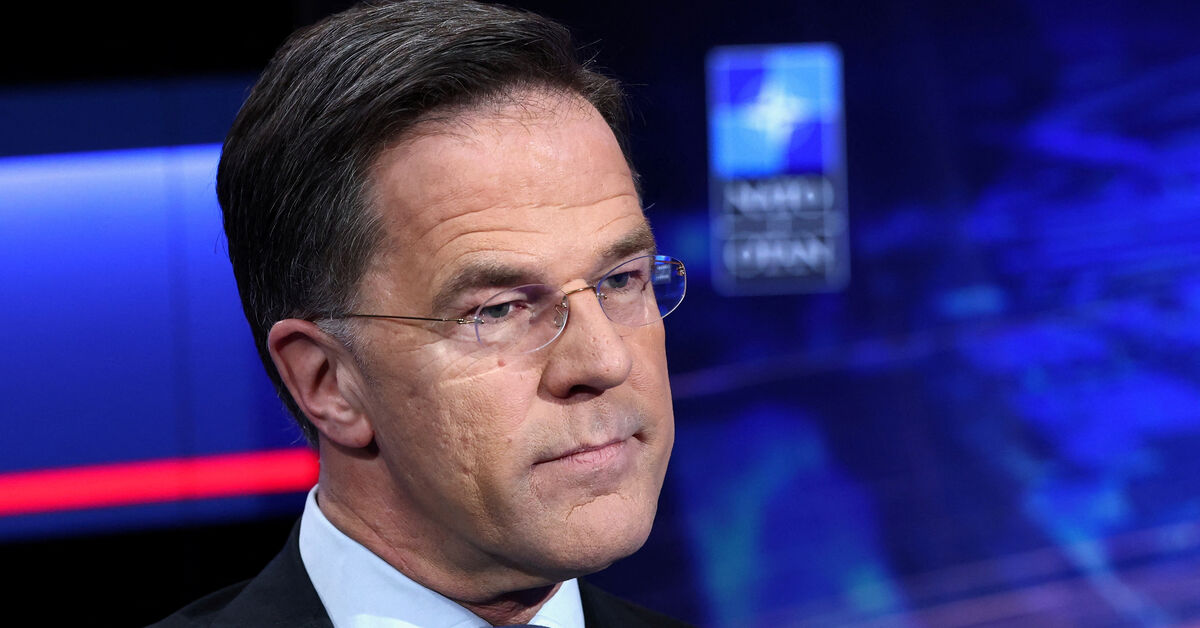
NATO Secretary General Mark Rutte announced that NATO allies in Europe and Canada have increased their defense spending by 20% in 2025 compared to the previous year. This announcement was made in the annual report released by Rutte on Thursday, where he emphasized the importance of sustaining this momentum amid rising global challenges.
Rutte pointed out that the upcoming NATO leaders' meeting, scheduled to take place in Ankara, will be a significant opportunity to demonstrate member countries' commitment to achieving the set goal of increasing defense spending to 5% of GDP. He added that transatlantic ties remain essential in an era of global uncertainty.
Details of the Announcement
This increase in defense spending comes at a time when the world faces escalating security challenges, including rising geopolitical tensions in multiple regions. Rutte noted that this increase reflects the commitment of NATO member countries to enhance their defense capabilities and respond to new security challenges.
He also stressed the importance of cooperation among NATO member countries, emphasizing that enhancing defense capabilities must be accompanied by strengthening military cooperation and coordination among the armed forces of member states. This cooperation is crucial for addressing common threats.
Background & Context
Historically, NATO has undergone significant changes in its defense strategies since its establishment in 1949. With increasing threats from countries like Russia, it has become essential for member states to bolster their defense spending. The recent NATO summit in Madrid in 2022 underscored the importance of increasing defense spending as part of a comprehensive response to security challenges.
In recent years, many European countries and Canada have significantly increased their defense budgets. This is part of their commitment to achieving the goals set at the NATO summit, aimed at enhancing the collective security of member states.
Impact & Consequences
The increase in defense spending is seen as a strategic shift in the security policies of European countries and Canada. This increase could lead to enhanced military capabilities of member states, contributing to improved regional and international security.
However, this increase may also raise questions about the distribution of military resources and whether it will lead to a new arms race in the region. Furthermore, enhancing military capabilities could affect relations with other countries, including Russia, which may perceive these moves as a threat to its national security.
Regional Significance
As tensions rise in Europe, the Arab region also faces complex security challenges. The increase in defense spending in Europe may impact military balances in the Middle East, where tensions between Arab countries and Iran are escalating, in addition to ongoing conflicts in Syria and Libya.
Moreover, strengthening military cooperation among NATO member countries may open avenues for further collaboration with Arab nations, particularly in areas of security and counter-terrorism. This could contribute to enhancing regional security, but it also requires ongoing dialogue to ensure that tensions do not escalate.
In conclusion, the increase in European and Canadian defense spending reflects the growing security challenges facing the world today. The upcoming meeting in Ankara is expected to have a significant impact on NATO's future and international relations in light of these changing circumstances.