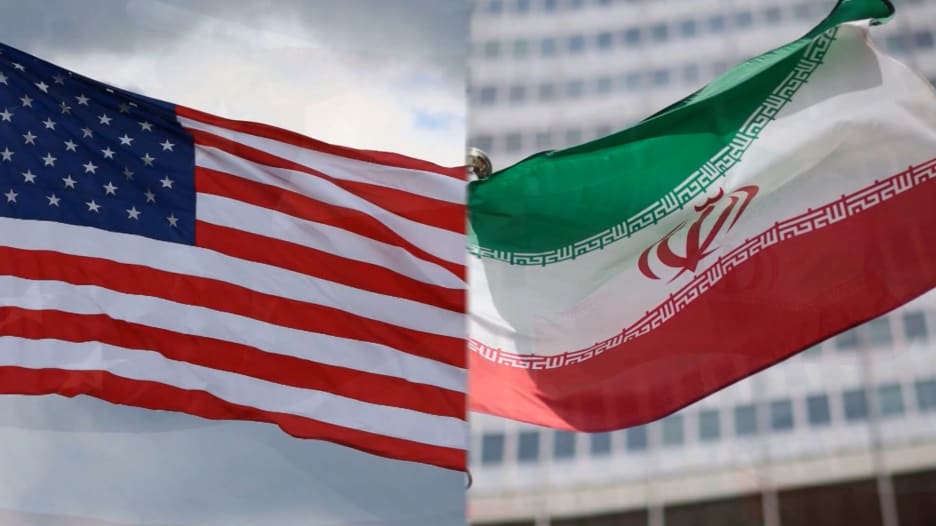
Estonian Prime Minister Kaja Kallas has announced her government's efforts to engage in communications with both the United States and Iran, aiming to contribute to the de-escalation of rising tensions between the two parties. This announcement comes at a time when the disputes between Washington and Tehran have intensified, raising international concerns.
In her statements, Kallas emphasized that dialogue is the best way to avoid military escalation, highlighting the importance of international cooperation in addressing crises. She also called for the resumption of diplomatic talks between the two sides, as fears grow over the potential repercussions of any escalation on regional and international security.
Details of the Event
These statements come at a sensitive time, as relations between the United States and Iran are increasingly strained, particularly following Washington's withdrawal from the Iranian nuclear deal in 2018. Since then, the United States has imposed strict economic sanctions on Iran, exacerbating the country's economic and social conditions.
The military escalation in the region, including attacks on oil facilities in Saudi Arabia, further complicates the situation. Kaja Kallas believes that restoring trust between the two sides requires ongoing diplomatic efforts, and that Europe can play a pivotal role in this context.
Background & Context
Historically, relations between the United States and Iran have been tense since the Islamic Revolution in 1979, which led to the severing of diplomatic ties between the two countries. Since then, the region has witnessed numerous crises and conflicts involving Iran, further complicating the regional landscape.
In recent years, several European countries, including France and Germany, have attempted to act as mediators in an effort to bring Iran back to the negotiating table. However, ongoing tensions and mutual distrust hinder these efforts.
Impact & Consequences
If Kaja Kallas's efforts succeed in achieving de-escalation between the United States and Iran, it could contribute to regional stability and reduce the risks of armed conflicts. Improved relations may also open the door for resuming dialogue on outstanding issues, including the Iranian nuclear program.
However, any progress in this direction depends on both parties' responses to diplomatic efforts and their willingness to make concessions. Should tensions continue to escalate, it could lead to negative repercussions for regional security and exacerbate humanitarian crises in the area.
Regional Significance
The relationship between the United States and Iran significantly impacts Arab countries, as any escalation could negatively affect security and stability in the Gulf Arab states. Ongoing conflicts may also worsen humanitarian crises in affected countries, such as Iraq and Syria.
In conclusion, Kaja Kallas's efforts towards de-escalation between the United States and Iran represent an important step, but they require broad international support and cooperation from all parties involved to achieve tangible results.