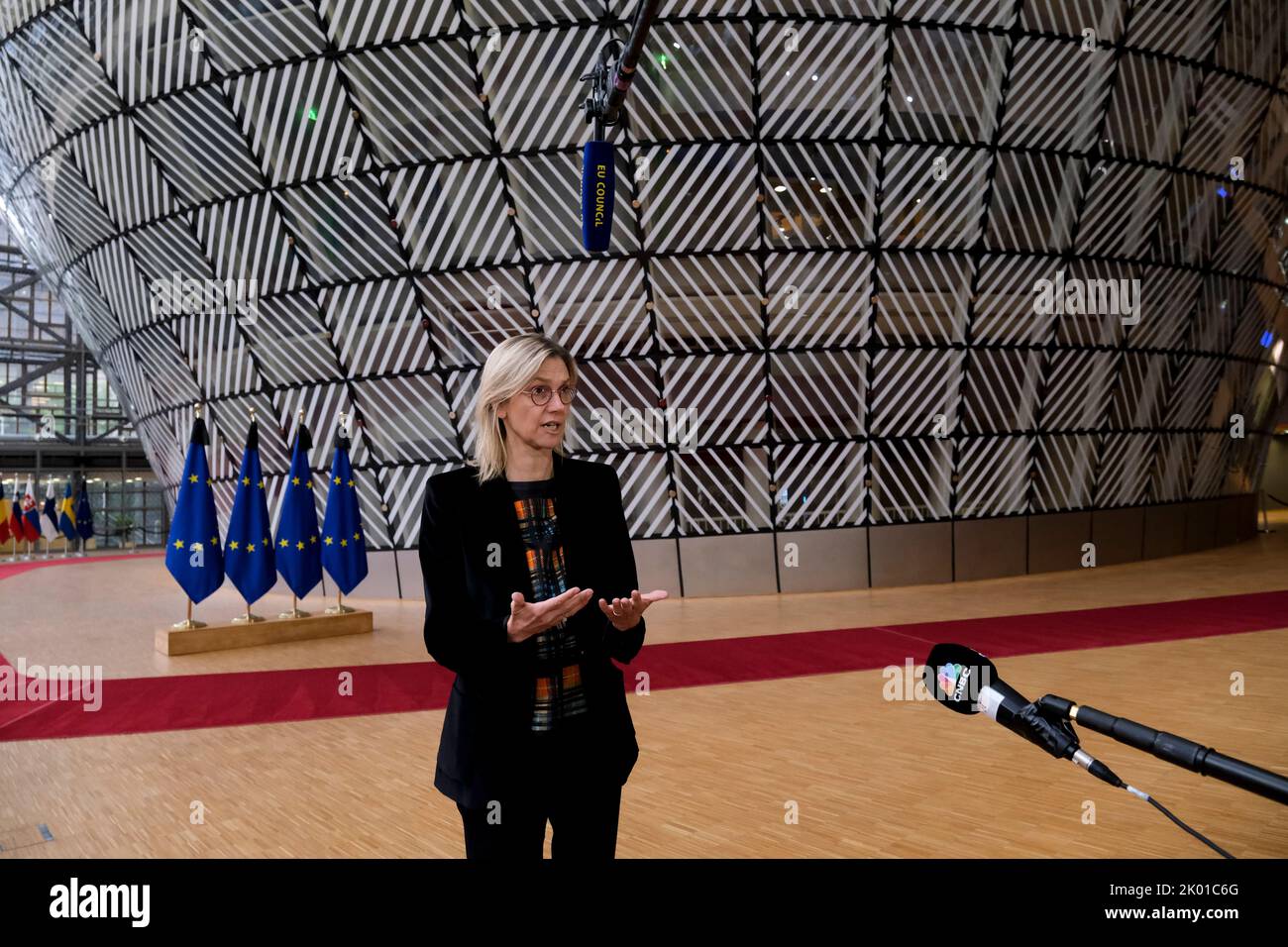
European energy ministers will convene tomorrow to discuss the implications of the war on energy supply security in the region. This meeting comes amid escalating geopolitical tensions and their direct impact on energy markets, as ministers seek to devise effective strategies to ensure supply continuity under the current circumstances.
Concerns are growing in Europe about the impact of armed conflicts on gas and oil supplies, especially given the heavy reliance on external energy sources. Recent reports have indicated a significant rise in prices, increasing pressure on European governments to seek sustainable alternatives.
Event Details
The meeting will take place in the Belgian capital, Brussels, where energy ministers from all EU member states are expected to participate. The agenda will cover multiple issues, including how to address supply shortages, secure alternative sources, and enhance cooperation among member states in the energy sector.
Ministers will also discuss the importance of boosting investments in renewable energy sources as part of efforts to reduce dependence on fossil fuels. This meeting comes at a sensitive time, as fears grow over the worsening crises in global energy markets.
Background & Context
Historically, Europe has faced numerous crises related to energy supplies, particularly amid political conflicts. One of the most notable crises was the gas dispute between Russia and Ukraine, which led to supply disruptions for many European countries. These events have made it imperative for European nations to reassess their energy strategies.
In recent years, European countries have begun taking serious steps towards diversifying their energy sources, including investing in renewable energy such as solar and wind power. However, many nations still heavily rely on imported gas and oil, making them vulnerable to geopolitical fluctuations.
Impact & Consequences
The meeting is expected to have a significant impact on energy policies in Europe. If ministers can reach effective agreements, it could enhance energy security and reduce reliance on external sources. Furthermore, strengthening cooperation among member states may improve Europe's response to future crises.
On the other hand, if ministers fail to find effective solutions, it could exacerbate crises in energy markets, negatively affecting the European economy and increasing the cost of living for citizens.
Regional Significance
The Arab region is directly affected by developments in global energy markets. With rising oil and gas prices, producing countries in the region may benefit from increased revenues. However, at the same time, importing countries may face significant challenges in securing their energy needs.
Additionally, geopolitical tensions in Europe may lead to changes in energy policies in the region, as some Arab countries may seek to strengthen partnerships with European nations to secure energy supplies.
In conclusion, the upcoming meeting of European energy ministers represents a crucial step in addressing current challenges in energy markets. Recommendations arising from this meeting are expected to influence energy policies in both Europe and the Arab region alike.