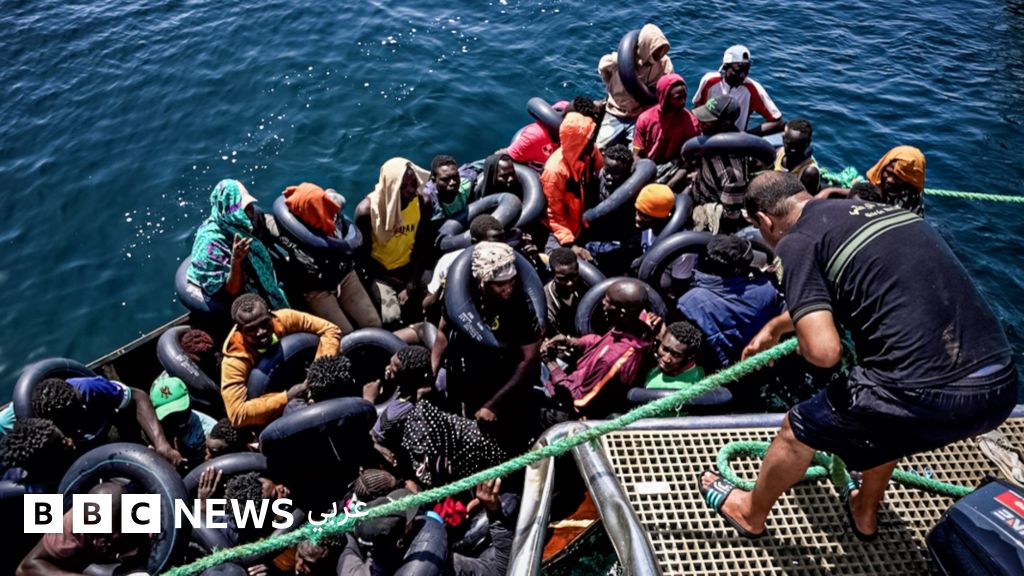
On Thursday, the European Parliament approved a package of measures aimed at imposing stricter penalties on irregular migrants, including the possibility of deporting them to so-called 'return centers' outside the European Union. The package was voted on with a majority of 389 votes in favor and 206 votes against, reflecting support from right-wing and far-right groups within the Parliament.
These measures come at a time when pressure is mounting on EU member states to limit migration, as governments seek effective solutions to address the challenges associated with irregular migration. This package has drawn widespread criticism from human rights organizations, which argue that these policies reflect an inhumane approach towards migrants.
Details of the Measures
The new package includes a range of measures aimed at enhancing border control and facilitating deportation processes. It also imposes financial penalties on countries that do not cooperate in the repatriation of irregular migrants. European lawmakers have indicated that these measures are necessary to address the challenges posed by irregular migration, especially given the increasing numbers of migrants arriving from conflict and poverty-stricken areas.
Despite the broad support for this package, there are significant concerns regarding its impact on human rights. Human rights organizations have warned that these policies could lead to serious violations of migrants' rights, including prolonged detention or forced deportation to countries that may not be safe for them.
Background & Context
Historically, Europe has witnessed waves of irregular migration, particularly since 2015 when a large influx of refugees from Syria, Afghanistan, and other countries occurred. These waves have led to divisions within the European Union over how to handle the issue, with some countries calling for a fair distribution of refugees while others advocate for stricter border measures.
In recent years, pressures on European governments to adopt stricter policies have increased, resulting in the emergence of political movements advocating for reduced migration. These dynamics have bolstered the position of far-right parties in many European countries, influencing public policies related to migration.
Impact & Consequences
The new measures are expected to exacerbate the situation for migrants, as many may find themselves in difficult and inhumane conditions. Furthermore, these policies could increase tensions among EU member states, as their views on how to address the migration issue differ.
Additionally, these policies may affect relations between the EU and countries that are likely to be used as return centers, creating new challenges in international cooperation on migration issues. These measures could also worsen humanitarian crises in certain regions, as migrants may be forced to return to unsafe countries.
Regional Significance
The Arab region is one of the main sources of migrants to Europe, as many young people seek to escape conflicts and civil wars. The tightening of European policies towards migration may increase the suffering of these migrants, making them more vulnerable on their journey to safety.
Moreover, these policies could impact relations between Arab countries and the European Union, as they may require further cooperation in areas of development and economics to improve living conditions in migration-exporting countries. Ultimately, the issue of migration remains a significant challenge that requires comprehensive solutions that consider human rights and the needs of the countries involved.