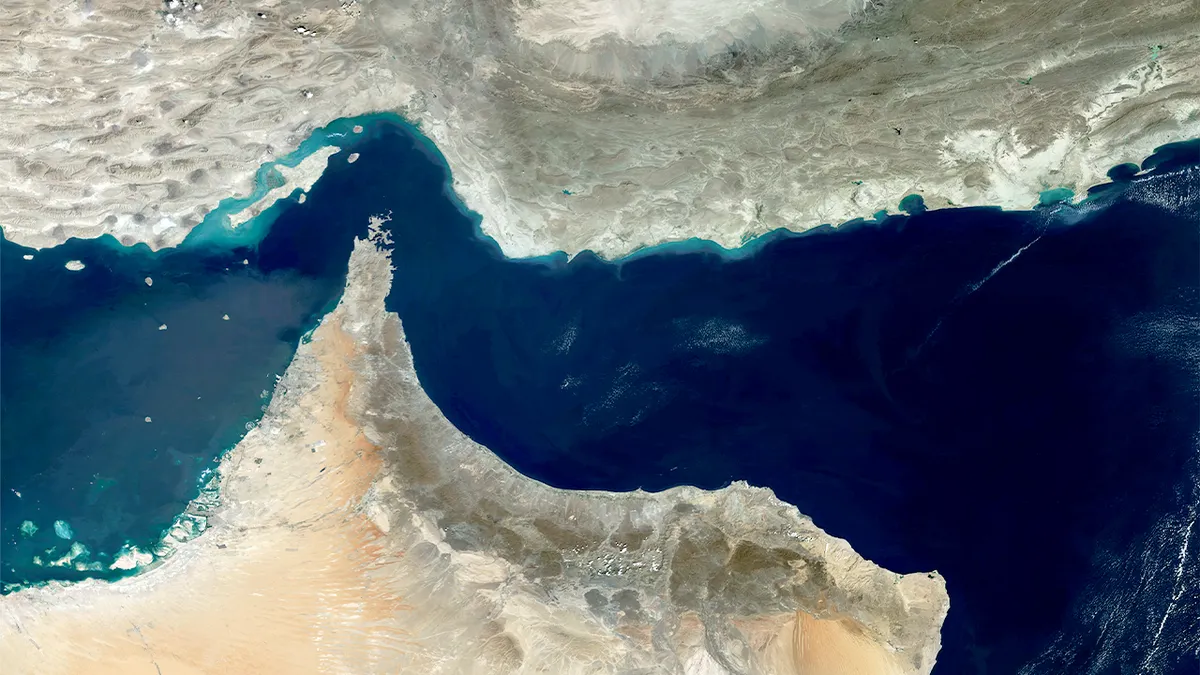
European countries have announced advanced plans aimed at enhancing navigation security in the Strait of Hormuz, following rising tensions in the region. These initiatives are part of international efforts to ensure the safety of commercial shipping.
The Strait of Hormuz is a vital strategic point, through which approximately 20% of the world's total oil supplies pass. With increasing security threats in the area, European nations are seeking to take effective steps to protect their economic interests and ensure maritime stability.
Details of the Initiative
The European plans include enhancing security cooperation among EU member states and developing mechanisms to monitor shipping traffic in the strait. Specialized naval units will also be deployed to escort commercial vessels, reflecting the commitment of European nations to protect their interests in this sensitive region.
These plans come after a series of security incidents in the strait, including attacks on oil tankers, which have heightened tensions between Iran and Western countries. European nations have expressed concern over the impact of these events on the stability of global energy markets.
Background & Context
The Strait of Hormuz, which stretches between Iran and Oman, is one of the most important maritime corridors in the world. Historically, the strait has witnessed numerous political and military crises, affecting navigation in the area. In recent years, tensions between Iran and the United States have escalated, increasing concerns about navigation security in the strait.
European countries are striving to find a balance between maintaining their economic interests and ensuring regional security. Some European nations have expressed a desire to enhance their military presence in the region, which could lead to heightened tensions with Iran.
Impact & Consequences
The European plans to protect navigation in the Strait of Hormuz are a significant step towards ensuring the stability of global energy markets. If these plans are successfully implemented, it could reduce the risks associated with commercial shipping, positively impacting the global economy.
However, these plans may provoke negative reactions from Iran, which might view them as a threat to its sovereignty. Consequently, this could lead to an escalation of tensions in the region, increasing the likelihood of military confrontations.
Regional Significance
Developments in the Strait of Hormuz directly affect Arab countries, especially those reliant on oil exports. Any escalation in tensions could impact global oil prices, adversely affecting the economies of these nations.
Moreover, enhancing security in the strait could contribute to regional stability, allowing Arab countries to focus on economic development rather than facing security challenges. Nevertheless, the biggest challenge remains how to manage relations with Iran amid these developments.
In conclusion, the European plans to protect navigation in the Strait of Hormuz represent a strategic step aimed at enhancing security and stability in a vital area. However, careful balancing is required to avoid escalating tensions with Iran and ensure the continuity of maritime traffic.