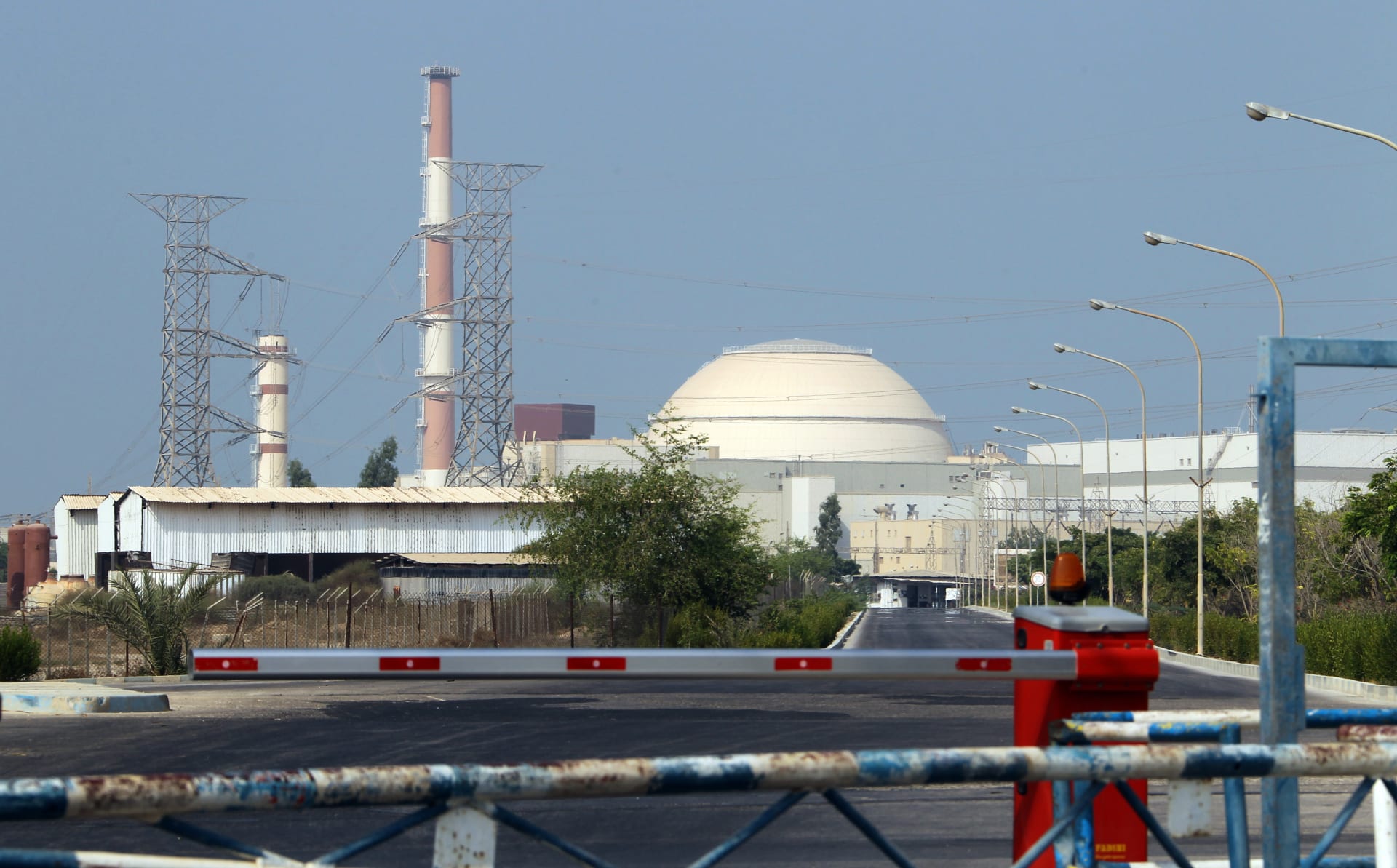
Russia announced on Wednesday the evacuation of 163 of its experts working at the Bushehr nuclear plant in Iran, after the facility was subjected to an airstrike attributed to the United States and Israel. Despite the strike, the International Atomic Energy Agency confirmed that no damage occurred at the site.
Alexey Likhachev, the general director of the Russian state atomic energy corporation Rosatom, stated in press remarks that the evacuation took place at 7:20 AM Moscow time, with the workers heading towards the Iranian-Armenian border. He explained that the number of remaining personnel at the site is approximately 300, with plans to continue evacuation operations.
Details of the Incident
This action comes amid rising tensions in the region, where the Bushehr plant, the only operational nuclear facility in Iran, was attacked by a shell last week, but no damage to infrastructure or injuries were reported. A number of Russian citizens were evacuated from the plant in the early days of the war that began with Israeli and American strikes on Iran on February 28.
Likhachev confirmed that Russia will not completely withdraw from the site, as equipment cannot be left unattended. He noted that Russian technicians are contributing to the operation of the plant, which has a production capacity of 1000 megawatts, a small fraction of Iran's electricity needs.
Background & Context
The Bushehr nuclear plant is part of Russian-Iranian cooperation in the field of nuclear energy, with Russia having contributed to the construction of the plant and provided the necessary technology. As regional tensions escalate, this plant has become a focal point for major powers, especially with concerns over the use of nuclear energy for military purposes.
In recent years, the region has witnessed a rise in military operations, leading to increased fears regarding nuclear safety. The International Atomic Energy Agency has called for "maximum restraint" to avoid any risks to nuclear safety during conflicts.
Impact & Consequences
The repercussions of this event extend beyond Iran, reflecting negative impacts on regional security due to rising tensions. The evacuation of Russian experts may affect operational processes at the plant, potentially leading to a shortage of electricity in Iran.
This development may also raise concerns among neighboring countries, which fear the consequences of any military escalation that could affect regional stability. It also reflects the challenges Iran faces in maintaining its nuclear program amid international pressures.
Regional Significance
This event serves as an indicator of escalating tensions in the Middle East, where regional and international interests intersect. Arab countries neighboring Iran are closely monitoring developments, as any escalation could impact security and stability in the region.
Concerns regarding the use of nuclear energy for military purposes remain prevalent, necessitating Arab nations to enhance their cooperation in nuclear security and modern technologies to ensure the region's safety.
In conclusion, the situation at the Bushehr nuclear plant remains under observation, with growing fears about the implications of any military escalation on nuclear security in the region.