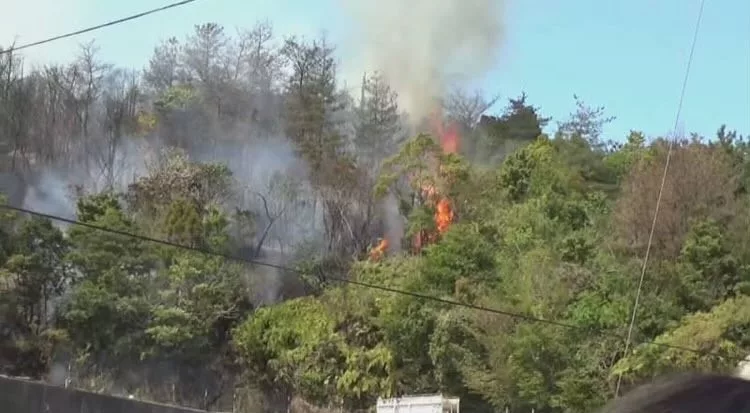
Wildfires raging in northern Japan have forced authorities to evacuate over 3000 residents from their homes. This incident occurs at a sensitive time as concerns about climate change impacts grow, raising local residents' worries about their safety and future.
Firefighting teams are striving to control the blazes that have erupted in mountainous areas, where strong winds have rapidly spread the flames. More than 500 firefighters and necessary resources have been deployed to combat these fires, but challenging weather conditions hinder their efforts.
Details of the Incident
Reports indicate that the fires began in dense forest areas, making access difficult. A state of emergency has been declared in some regions, leading to the closure of schools and public facilities. Evacuation centers have been set up to accommodate those displaced, providing them with essential needs.
These wildfires cause significant environmental damage, contributing to the destruction of natural habitats and affecting biodiversity. Large numbers of animals have been observed losing their homes due to the flames.
Background & Context
Wildfires in Japan are a recurring phenomenon, but they have become more severe in recent years. This is partly due to climate changes that lead to rising temperatures and increased drought periods. Additionally, human activities such as deforestation and urban expansion exacerbate this issue.
In previous years, Japan has witnessed several major wildfires, resulting in the evacuation of thousands of residents. These events raise questions about how prepared the country is to face natural disasters and climate changes.
Impact & Consequences
Wildfires significantly impact local communities, causing loss of homes and property. The psychological effects on residents forced to leave their homes can be profound. These individuals require psychological and material support to recover from this disaster.
Moreover, these fires may affect the local economy, as many residents rely on agriculture and tourism. The loss of crops or destruction of tourist areas can lead to significant economic downturns.
Regional Significance
Wildfires in Japan serve as a reminder of the importance of addressing climate change, a topic that concerns all nations, including Arab countries. The Arab region faces similar environmental challenges, such as desertification and water scarcity, necessitating effective strategies to adapt to these changes.
Arab countries can benefit from Japan's experiences in managing natural disasters and developing effective emergency plans. International cooperation in research and development can contribute to improving countries' responses to such disasters.
In conclusion, wildfires in Japan highlight the urgent need to address climate change and its impacts. The international community must work together to tackle these challenges and ensure the safety of communities.