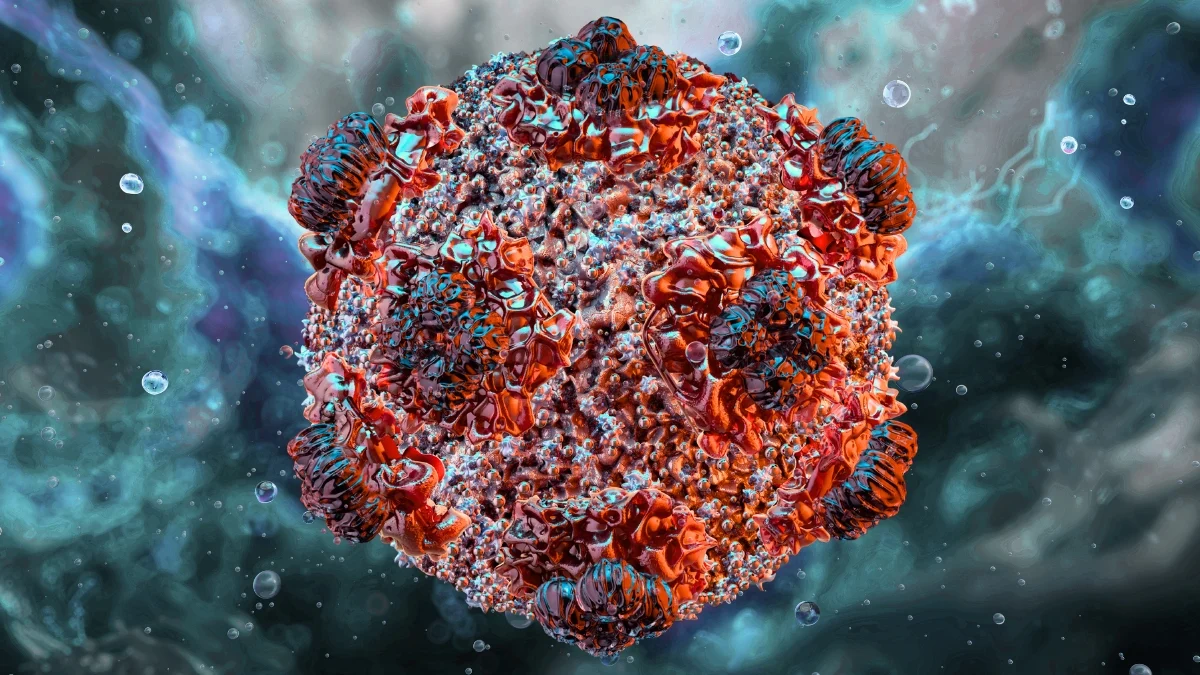
Spanish health authorities have initiated the evacuation of passengers from a ship affected by a Hantavirus outbreak, dispatching specialized medical teams to the vessel's location. This action is part of the government's efforts to protect public health, following the detection of virus cases among some passengers.
The ship, which was sailing in Spanish waters, reported Hantavirus infections, raising significant concern among passengers and their families. The decision to evacuate passengers was made swiftly to prevent the spread of the virus, with specialized medical teams prepared to handle suspected cases.
Details of the Evacuation
The evacuation process involves transporting passengers to medical centers where necessary tests will be conducted. Authorities have confirmed that all passengers will be thoroughly examined before being allowed to leave the ship. Additionally, strict precautionary measures have been implemented to ensure everyone's safety.
Hantavirus is a virus transmitted through rodents and can cause severe illnesses. In the event of an outbreak, rapid measures are essential to limit its spread. The Spanish Ministry of Health has stated that it is tracking all cases associated with the ship.
Background & Context
The Hantavirus is not new; it was first discovered in the United States in the 1980s, and since then, cases have been reported in several countries worldwide. The virus is typically transmitted through contact with rodent droppings or inhaling contaminated air.
Historically, Spain has experienced rare outbreaks of Hantavirus; however, the current outbreak in the context of the COVID-19 pandemic raises additional concerns about the healthcare system's ability to manage multiple epidemics simultaneously.
Impact & Consequences
This incident serves as a reminder of the importance of preparedness in facing epidemics, as an outbreak of Hantavirus could increase pressure on the healthcare system. Furthermore, such events may affect tourism, as travelers might avoid regions experiencing virus outbreaks.
Moreover, the actions taken by health authorities reflect the significance of international cooperation in combating epidemics. In the era of globalization, diseases can spread rapidly across borders, necessitating a swift and coordinated response.
Regional Significance
In the Arab region, infectious diseases are a major concern, especially given the current health circumstances. Incidents like the Hantavirus outbreak in Spain may raise awareness about the importance of public health and disease prevention.
Arab countries need to strengthen their health systems and prepare for potential epidemics, which requires investments in healthcare infrastructure and collaboration with international organizations.
The Hantavirus outbreak in Spain highlights the importance of being prepared to face epidemics and underscores the necessity for international cooperation in public health. Arab nations should learn from this experience to enhance their health systems.