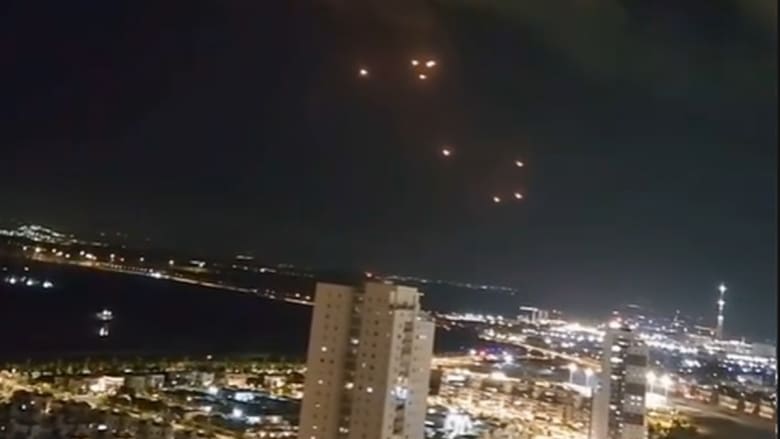
The authorities in the city of Dimona, southern Israel, announced the evacuation of 485 residents after an Iranian missile strike targeted the area. The city’s mayor confirmed that this step was taken as a precaution following the attack that reportedly targeted a nuclear research facility. While Iranian media reported that the strikes were aimed at a nuclear research facility near Dimona, Israel denied any involvement in a previous attack on the Iranian Natanz site, reflecting the escalating tensions between the two countries.
One of the most complex issues in the region is Iran's nuclear ambitions, which heighten concerns for the Tel Aviv government. Dimona, known for its nuclear complex, has long been a hub for controversial discussions surrounding Israeli nuclear armament. The residents of the city, who felt fear and terror after the attack, were secured to safe locations as part of emergency measures that reflect the tense security situation.
The developments in Dimona come amidst a long historical context of confrontations between Iran and Israel, with relations noticeably deteriorating following the Islamic Revolution in Iran in 1979, leading to a significant shift in regional politics. Since then, Israel has adopted a strategy to curb Iran's influence in the Middle East, including countering Tehran's nuclear ambitions.
The recent attack has spotlighted Israel's security concerns regarding the growing Iranian military power and its support for armed groups in the region. These concerns have intensified following repeated attacks targeting American and Israeli forces in Iraq and Syria, which are often attributed to Iran-affiliated factions.
The potential ramifications of this assault extend beyond the military aspect, including political risks as well. The escalating tensions between Iran and Israel could result in retaliatory military actions, potentially dragging the region into a broad confrontation. This situation may also explain the diminished efforts for dialogue and diplomacy aimed at stabilizing the region.
On another note, Arab countries must closely monitor the situation. The escalation in Dimona could significantly impact regional security. Many Arab nations seeking to enhance their relations with Israel might find themselves in a sensitive position if tensions mount.
Overall, the events in Dimona reaffirm the ongoing challenges of security and peace in the Middle East, where various states strive to balance their political and security objectives. Thus, regional observers will need to analyze the potential consequences of this attack, especially as discussions continue regarding Iran’s nuclear future and Israel’s status as a regional power.
It is now crucial for Arab leaders to engage and collaborate on strategies that achieve stability and address the rising military tensions between regional adversaries. All stakeholders in the region should seriously consider diplomatic pathways to avoid wider crises and their repercussions.