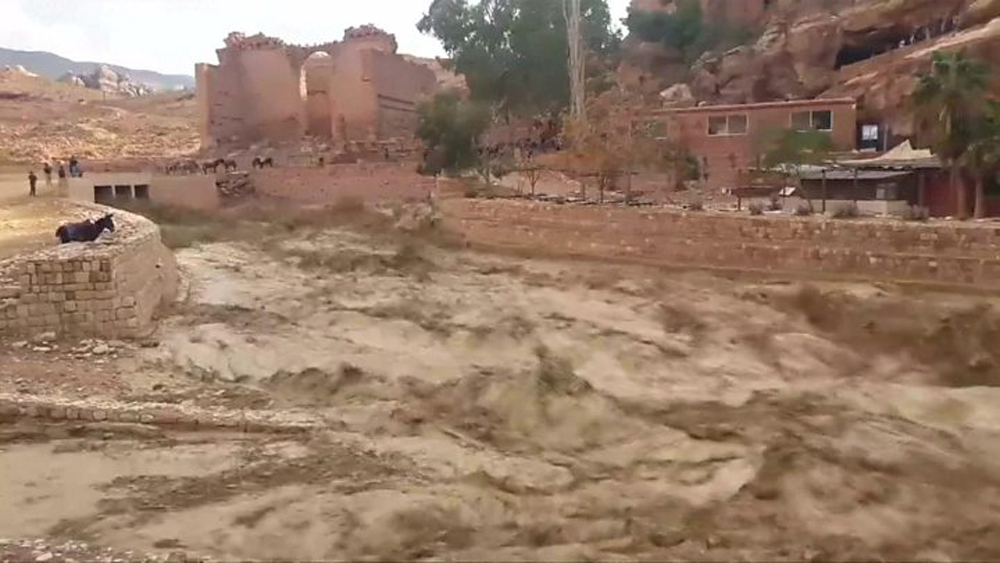
Flood warning sirens are one of the essential tools used to alert citizens about impending floods; however, their effectiveness has come into question following recent events in various regions of Jordan. Experiences have shown that these systems require a comprehensive review to ensure the safety of the public.
In recent days, several areas in Jordan have experienced severe flooding, resulting in significant damage to property and infrastructure. With the recurrence of these phenomena, it has become crucial to assess the efficiency of the warning sirens in alerting residents before disasters occur.
Details of Recent Flood Events
Reports have indicated that the warning sirens did not function as required in some instances, leading to residents not receiving timely alerts. Some citizens have reported that they did not hear any warning sirens before the floods occurred, which has heightened concerns regarding the effectiveness of the existing system.
In this context, relevant authorities have confirmed that they are working on improving the systems in use, but they have not provided clear details about the steps that will be taken. There are also increasing calls from experts and specialists to develop new mechanisms that ensure effective and rapid alerts for citizens.
Background & Context
Historically, Jordan has witnessed several instances of flooding that have resulted in human and material losses. The flood warning system was established as part of efforts to mitigate risks associated with these natural phenomena. However, the increasing climate challenges necessitate continuous updates to these systems.
Flooding is part of the climate changes affecting the region, where rainfall intensity increases in certain seasons, exacerbating risks. Therefore, improving warning systems is vital for protecting lives and property.
Impact & Consequences
If the current systems continue to fail, this may lead to a loss of trust among citizens in the authorities responsible for crisis management. Additionally, a lack of rapid response could exacerbate damage and increase the number of casualties in the future.
It is essential for the Jordanian government to adopt new strategies that include the use of modern technology in warning systems, such as smartphone applications that can provide immediate alerts to citizens. These steps could help reduce risks and improve emergency response.
Regional Significance
The effects of flooding extend beyond Jordan, as many Arab countries face similar issues due to climate changes. Thus, improving warning systems in Jordan could serve as a model for other countries in the region.
Regional cooperation in sharing information and experiences can contribute to enhancing the capabilities of countries to face climate challenges. There should be joint strategies to effectively address these natural phenomena.
In conclusion, the current situation in Jordan requires a comprehensive reassessment of the effectiveness of flood warning sirens and systems. Improving these systems is not only a local necessity but also a regional responsibility that requires cooperation among Arab countries to tackle increasing climate challenges.