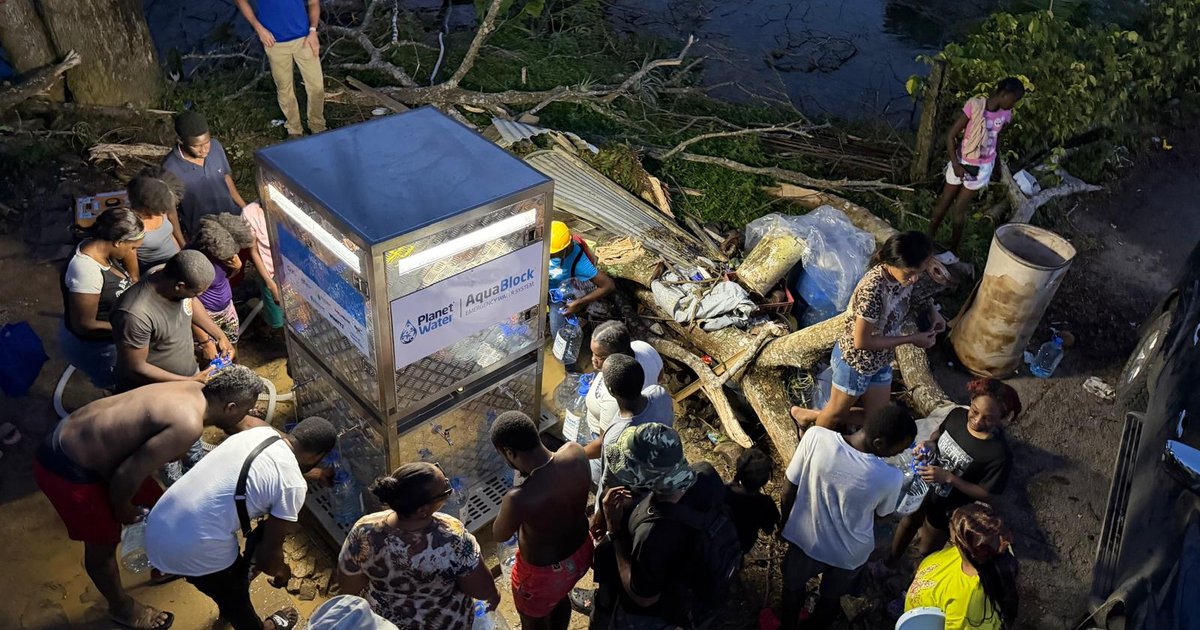
The President of the Indonesian National Lawyers Association (DPN Peradi) confirmed that the Indonesian government's response to the disasters that struck three provinces on the island of Sumatra—namely Aceh, North Sumatra, and West Sumatra—has been more effective than the established national disaster response. This statement was made during a visit to the city of Padang, where he noted that the government has made significant efforts in addressing these disasters.
Oto Hasibuan, the association's president, explained that there were specific considerations that led to these disasters not being classified as national disasters. However, he emphasized that the substantial efforts made by the government in this regard cannot be denied. He pointed out that the Indonesian President, Prabowo Subianto, has shown great interest in monitoring the situation in the affected areas, having conducted field visits and closely observed the conditions.
Details of the Event
These statements come at a sensitive time, as the affected areas are suffering from the impacts of natural disasters that occurred at the end of 2025. Hasibuan indicated that the association will continue to support the government's efforts by providing aid to the affected regions, emphasizing the importance of delivering assistance directly to the beneficiaries.
He also confirmed that the association adopts a meticulous approach in distributing aid, ensuring it is delivered directly to the beneficiaries, including schools, mosques, and churches, to guarantee that it reaches those who truly need it. He noted that the association bears a significant responsibility in ensuring that aid reaches its rightful recipients.
Background & Context
Historically, Indonesia has witnessed numerous natural disasters, including earthquakes and floods, making effective disaster response crucial. In recent years, the Indonesian government has worked to improve its disaster management strategies, including enhancing cooperation among various governmental and non-governmental institutions.
Sumatra is considered one of the most disaster-prone regions in Indonesia, necessitating a swift and effective response from the government and civil society. These disasters have contributed to raising awareness about the importance of pre-planning and preparedness for crisis situations.
Impact & Consequences
The repercussions of natural disasters in Sumatra extend beyond local borders, affecting the local economy and leading to population displacement. An effective response from the government and civil society organizations can help mitigate the negative impact of these disasters on local communities.
Additionally, government and community support reflects Indonesia's commitment to enhancing its disaster resilience, which could lead to increased trust between citizens and the government. In this context, the assistance provided by civil society organizations like DPN Peradi is a vital part of the relief efforts.
Regional Significance
The importance of this news to the Arab region lies in promoting humanitarian cooperation and solidarity among countries in facing disasters. The Indonesian experiences in disaster management can offer valuable lessons to Arab countries facing similar challenges, especially amid increasing climate change.
In conclusion, this event represents an opportunity to raise awareness about the importance of rapid and effective disaster response and reflects the commitment of civil society in Indonesia to support government efforts in this area.