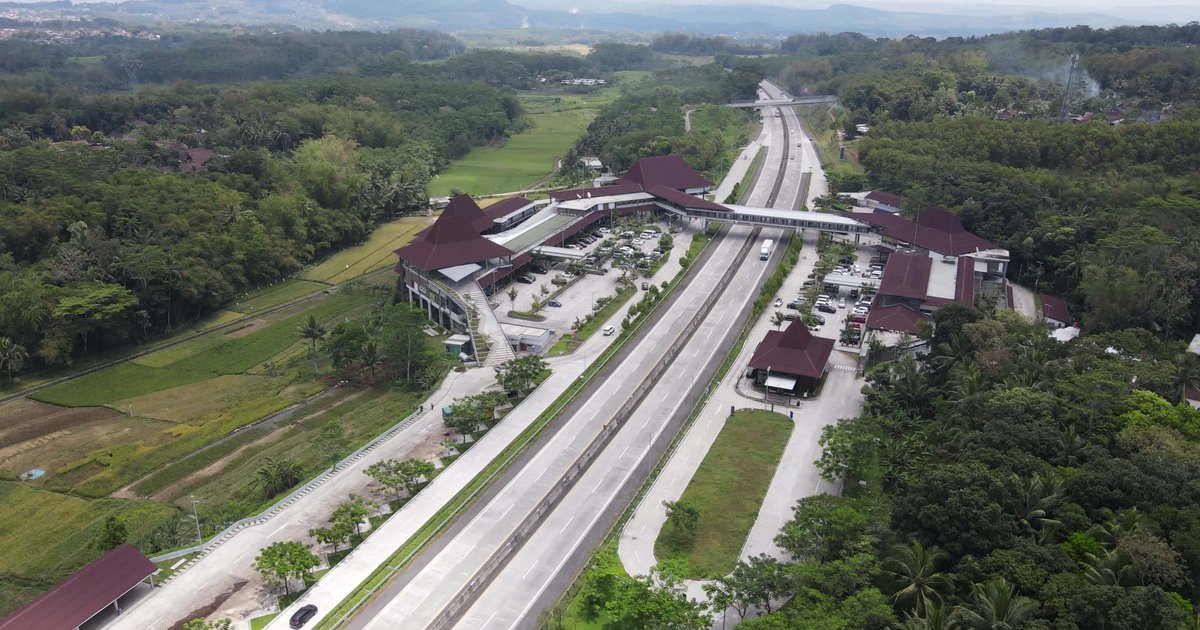
Indonesian Public Works Minister, Dodi Hangodo, announced a plan to evaluate rest areas on highways in Indonesia after the conclusion of the 2026 Eid al-Adha holiday. The minister emphasized that this evaluation is part of efforts to enhance the travel experience and avoid the congestion that some areas experienced during the return period.
Hangodo pointed out that the rest areas located at kilometer 52 and 62 on the highway were the most congested, having been closed during peak times due to insufficient space for vehicles to enter. He explained that the ministry will form a specialized team to assess these locations and reorganize them to accommodate the increasing traffic flow.
Details of the Event
This step comes after Indonesia witnessed heavy traffic during the Eid al-Adha holiday, as many citizens flocked to highways to return to their homes. Reports indicated that the congestion at rest areas was due to inadequate space at their entrances, leading to vehicle pile-ups.
The minister confirmed that the ministry will work on improving the design of these areas, including adding fuel stations, to better meet the needs of travelers. He also highlighted the importance of preventing recurring congestion that could jeopardize driver safety.
Background & Context
Indonesia is known for experiencing heavy traffic during holidays, with millions of citizens traveling on highways. This surge in traffic poses significant challenges for the authorities, especially given the current infrastructure that may not be capable of accommodating such a large volume of vehicles.
Historically, Indonesia has seen several attempts to improve its highway network, yet congestion remains a major issue. This new initiative is part of the government's efforts to enhance infrastructure and provide better services to citizens.
Impact & Consequences
These evaluations are expected to improve the travel experience on highways, potentially reducing traffic accidents caused by congestion. Additionally, reorganizing rest areas may contribute to enhancing public safety, as it will make it easier for drivers to stop and rest without worrying about congestion.
Furthermore, improving these locations could attract more investments in the tourism sector, as rest areas could become points of interest for travelers, thereby boosting the local economy.
Regional Significance
Indonesia's experience in managing traffic during holidays serves as an important lesson for Arab countries facing similar challenges. As the number of travelers increases during holidays, Arab nations can benefit from this experience to improve their infrastructure and provide better services for citizens.
Ultimately, enhancing rest areas on highways in Indonesia represents a positive step towards improving public safety and travel experiences, which could serve as a model for many countries.